
Product Overview
Carbomer, also known as Carbopol or carboxypolymethylene, is a high-molecular-weight crosslinked polymer of acrylic acid. It is identified by CAS Number 9007-20-9 and is widely used as a thickening agent, gelling agent, and rheology modifier. Unlike conventional small-molecule chemicals, Carbomer does not have a single fixed molecular weight. Its polymer structure, crosslinking characteristics, viscosity performance, and other properties depend on the specific commercial grade.
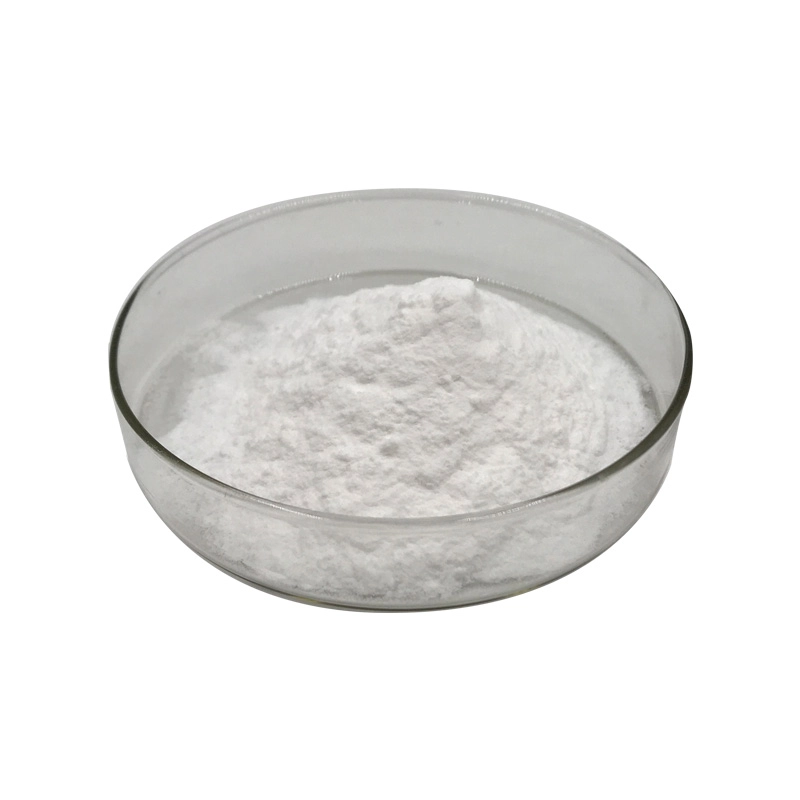
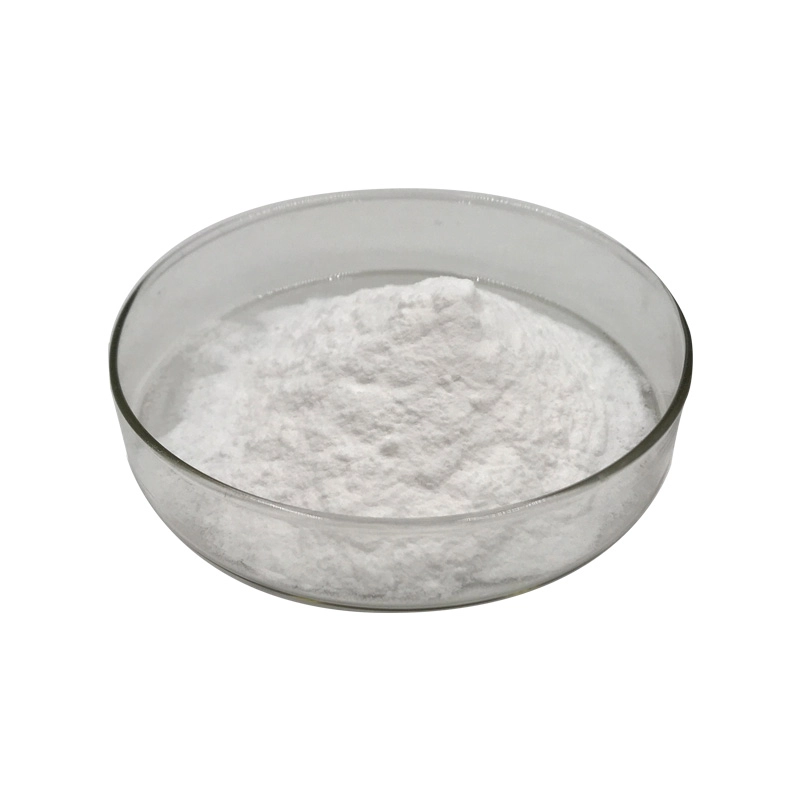
Carbomer is generally supplied as a white or almost-white, fluffy, hygroscopic powder or granules. It does not simply dissolve in water like a conventional water-soluble polymer. Instead, it disperses and swells in aqueous systems, forming a gel structure. Neutralization with a suitable base, such as sodium hydroxide or triethanolamine, can significantly increase viscosity and develop the desired gel consistency.
Safety and Storage
Carbomer should be handled according to the current supplier-specific Safety Data Sheet (SDS). Safety classifications can vary between commercial grades and suppliers. Some available SDS documents identify potential hazards including harmful effects if swallowed, skin irritation, serious eye irritation, or more severe skin and eye hazards. Therefore, the exact product SDS should be reviewed before handling.
Avoid inhaling airborne powder or dust during weighing, mixing, and transfer. Use appropriate ventilation or local dust extraction in production areas. Wear suitable protective gloves, safety goggles, and protective clothing. Avoid direct contact with eyes and prolonged skin exposure. Do not eat, drink, or smoke in areas where the product is handled. Wash hands thoroughly after handling.
Store Carbomer in its original, tightly sealed container in a cool, dry, and well-ventilated area. Because the powder is hygroscopic, it should be protected from moisture and excessive humidity to help maintain its physical properties and formulation performance. Keep the packaging closed when not in use and avoid contamination from foreign materials. Prevent excessive dust accumulation during storage and production. Keep the product away from incompatible substances identified in the supplier SDS. Follow the manufacturer's recommended storage conditions, shelf life, and disposal procedures.
Safety Information
Hazard Codes | C |
Risk Statements | 45-46 |
Safety Statements | 53-45 |
RIDADR | UN 3265 8/PG 3 |
WGK Germany | 3 |
RTECS | AT4680000 |


