
Product Overview
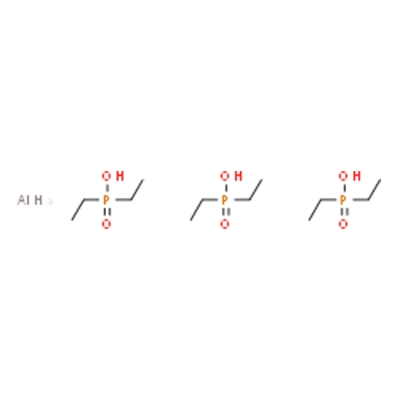
OP 935 is an aluminum diethylphosphinate-based flame retardant designed for use in polymer and plastics formulations. It belongs to the phosphorus-based flame-retardant family and is commonly considered as a halogen-free alternative in applications where flame performance and material properties need to be balanced.
Its chemical structure contains aluminum and diethylphosphinate groups, providing a phosphorus content that contributes to its flame-retardant mechanism. Depending on the polymer matrix and formulation, it can help promote flame-retardant action through both gas-phase and condensed-phase mechanisms. It may be used as a standalone additive or in combination with other flame retardants and synergists to achieve the required performance.
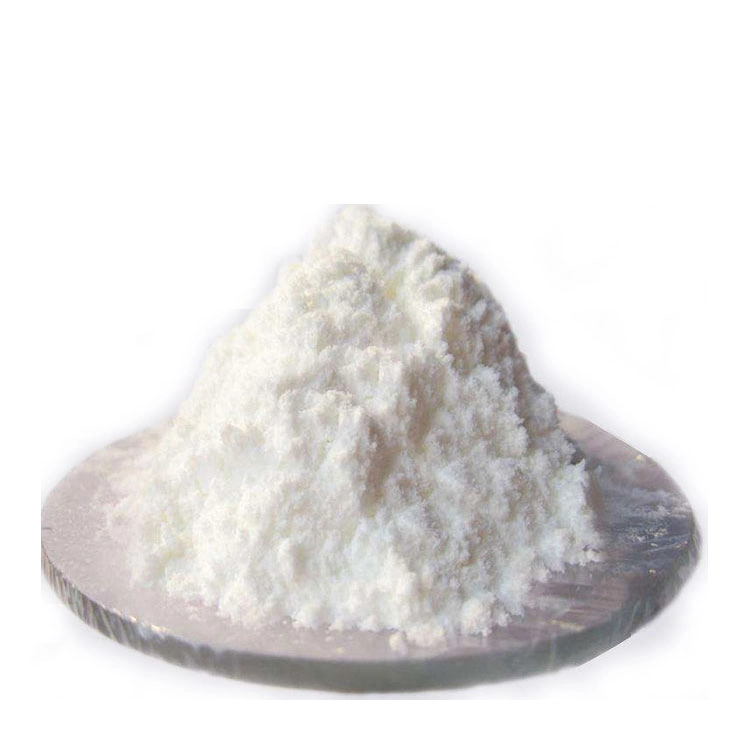
OP 935 is generally supplied as a white powder. Its molecular formula is C₁₂H₃₀AlO₆P₃, with a molecular weight of approximately 390.27 g/mol. It is used in selected engineering plastics and thermoplastic materials, including polyamide and polyester-based systems. Its suitability and loading level depend on the resin type, processing temperature, product specifications, and required fire-performance standard.
For industrial buyers, OP 935 is a functional additive for developing flame-retardant polymer compounds, electrical and electronic components, and other plastic products requiring improved fire performance.
Polyamide (PA): Used in flame-retardant nylon compounds for industrial and engineering applications.
Polybutylene Terephthalate (PBT): Applied in flame-retardant polyester formulations.
Polycarbonate (PC) Blends: Used in selected engineering plastic formulations requiring improved fire performance.
Thermoplastics: Incorporated into polymer compounds to improve flame-retardant properties.
Electrical and Electronic Components: Used in selected plastic housings, connectors, and component materials.
Automotive Plastics: Applied in suitable flame-retardant polymer components.
Electrical Insulation Materials: Used in selected polymer insulation formulations.
Flame-Retardant Masterbatches: Used as an active ingredient in specialized additive blends.
Polymer Compounds: Combined with other flame retardants and synergists to develop customized formulations.


