(TETRAHYDRO-2H-PYRAN-4 YL)METHANOL CAS#14774-37-9 Product Description
Tetrahydro-2H-pyran-4-ylmethanol, also commonly known as 4-(hydroxymethyl)tetrahydropyran, is an important organic chemical intermediate with potential applications in organic synthesis and chemical manufacturing. It has the molecular formula C₆H₁₂O₂, a molecular weight of approximately 116.16 g/mol, and is registered under CAS Number 14774-37-9. The compound is characterized by a saturated six-membered oxygen-containing heterocyclic ring with a hydroxymethyl substituent, providing useful structural features for further chemical modification and synthetic applications.
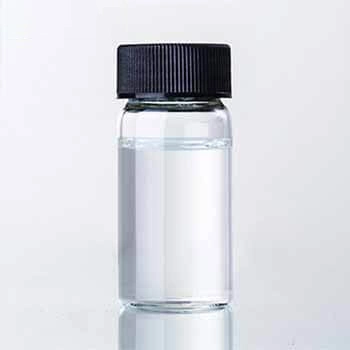
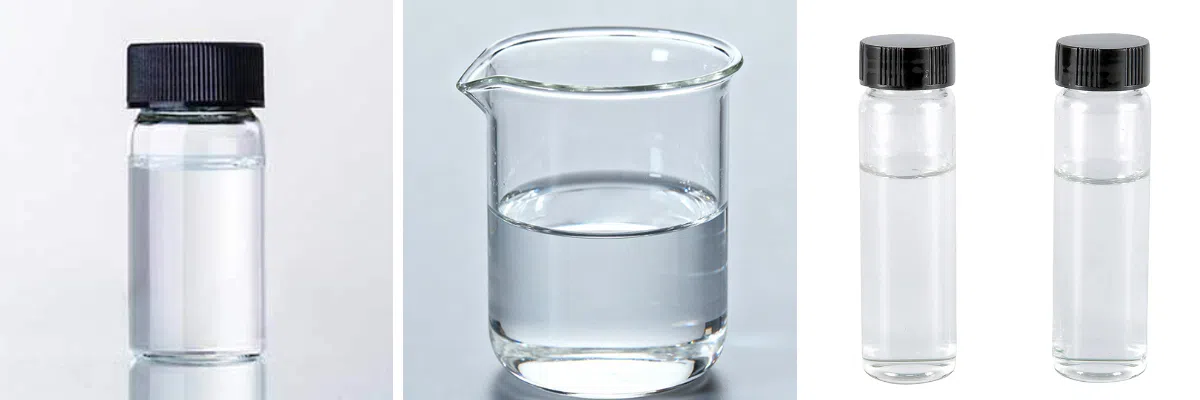
Under normal conditions, Tetrahydro-2H-pyran-4-ylmethanol typically appears as a colorless to pale yellow, transparent liquid. Its key physicochemical properties include a density of approximately 1.0 ± 0.1 g/cm³, a boiling point of 218.9 ± 8.0°C at 760 mmHg, and a flash point of 97.7 ± 12.7°C. The compound also has a refractive index of approximately 1.445. These physical and chemical characteristics provide useful reference data for its identification, handling, storage, and application in various chemical synthesis processes.
(TETRAHYDRO-2H-PYRAN-4 YL)METHANOL CAS#14774-37-9 Chemical Properties
| Boiling point | 105 °C |
| density | 1.000±0.06 g/cm3(Predicted) |
| Fp | 61°(142°F) |
| refractive index | 1.46 |
| storage temp. | Sealed in dry,Room Temperature |
| form | clear liquid |
| pka | 14.85±0.10(Predicted) |
| color | Colorless to Light yellow to Light orange |
| Water Solubility | Slightly soluble in water. |
| CAS DataBase Reference | 14774-37-9(CAS DataBase Reference) |
(TETRAHYDRO-2H-PYRAN-4 YL)METHANOL CAS#14774-37-9 Safety Information
| Hazard Codes | Xi,Xn |
| Risk Statements | 36/37/38-22-41-37/38 |
| Safety Statements | 26-36/37/39-23-39 |
| HazardClass | IRRITANT |
| HS Code | 29329990 |
(TETRAHYDRO-2H-PYRAN-4 YL)METHANOL CAS#14774-37-9 Product Application
(Tetrahydro-2H-pyran-4-yl)methanol is a versatile organic chemical intermediate with potential applications in fine chemical manufacturing, plastics production, and other industrial sectors. As a useful basic chemical raw material, it can serve as an important building block in various chemical synthesis processes. In addition, this compound is considered a valuable intermediate in the development and production of pharmaceutical and agrochemical products, where its molecular structure provides opportunities for further chemical modification and the synthesis of more complex functional compounds. Its versatility and synthetic utility make it a useful material for research, chemical processing, and applications across multiple areas of the chemical industry.