Product Overview
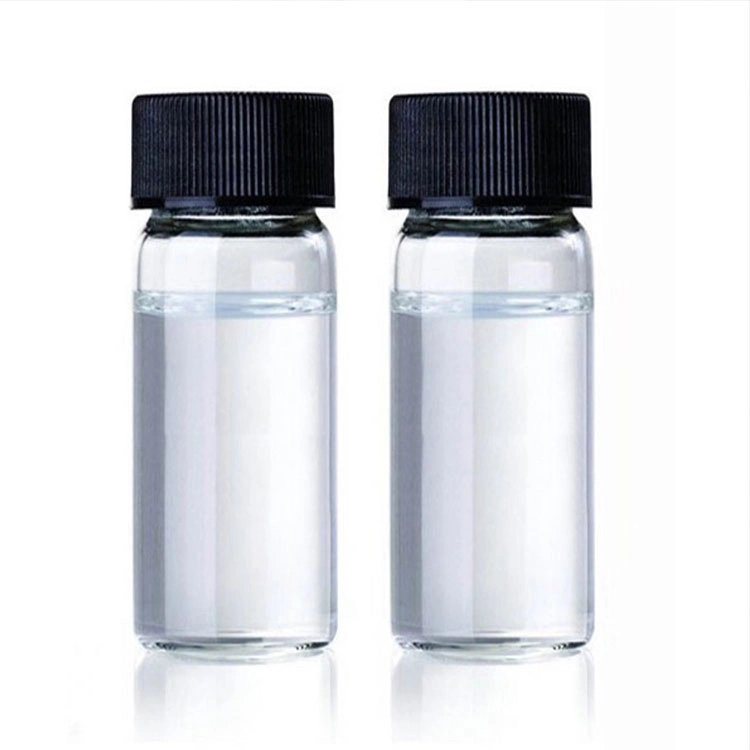
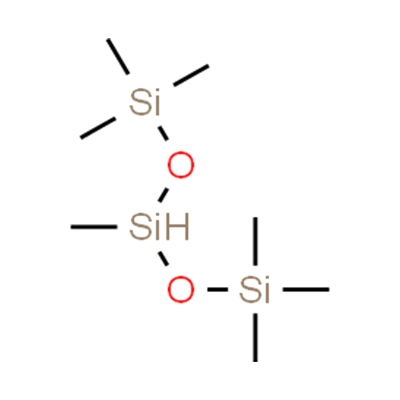
Poly(methylhydrosiloxane) (PMHS), CAS 63148-57-2, is a functional organosilicon polymer containing reactive silicon-hydrogen (Si-H) bonds along its siloxane backbone. It is also known as methyl hydrogen polysiloxane or methyl hydrogen silicone fluid. The product is generally supplied as a colorless, transparent liquid, with viscosity, molecular weight and other physical properties varying according to its polymer structure and manufacturing grade.
PMHS is valued for its combination of silicone-based properties and reactive hydrogen functionality. Its Si-H groups can participate in various chemical reactions, including hydrosilylation and catalyst-assisted crosslinking processes. These characteristics make it useful in the production of functional silicone materials and specialty surface treatments.
In industrial applications, PMHS is commonly used as a water-repellent treatment for textiles, glass, ceramics, paper, leather, cement and other mineral or porous substrates. After suitable treatment and curing, it can help form a hydrophobic surface layer that reduces water penetration. It is also used as a reducing reagent in organic synthesis, including selected catalytic reduction processes.
Safety Information
Hazard Codes | Xi |
Risk Statements | 10-36/37/38 |
Safety Statements | 26-36-24/25-23-16 |
WGK Germany | 3 |
F | 10-21 |
TSCA | Yes |
HS Code | 39100000 |
Main Applications
Textile Waterproofing: Used in water-repellent treatments for fabrics and textile materials.
Glass and Ceramic Treatment: Helps create hydrophobic surface coatings.
Construction Materials: Applied to cement, concrete, marble and other mineral substrates for water resistance.
Paper and Leather Treatment: Used in waterproofing and protective surface-treatment formulations.
Silicone Coatings: Serves as a functional ingredient in silicone-based coating systems.
Organic Synthesis: Used as a reducing reagent in selected catalytic chemical reactions.
Crosslinking Systems: Provides reactive Si-H groups for silicone modification and crosslinking processes.
Specialty Materials: Used in research and development of functional organosilicon materials.