Product Overview
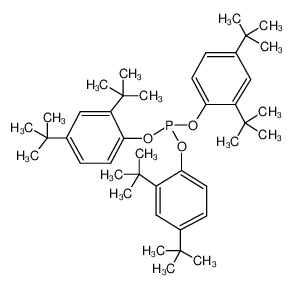
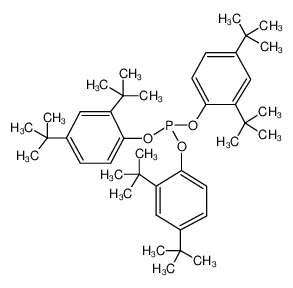
Antioxidant 168, chemically known as Tris(2,4-di-tert-butylphenyl) phosphite, is a high-performance phosphite-based secondary antioxidant widely used in the plastics, rubber, and polymer processing industries. It is designed to improve the thermal and oxidative stability of polymer materials during manufacturing, extrusion, molding, and other high-temperature processing operations.
Its main function is to react with hydroperoxides formed during polymer oxidation and convert them into more stable products. This helps reduce oxidation-related degradation, protect polymer molecular structures, and maintain the physical and processing properties of finished materials. As a secondary antioxidant, Antioxidant 168 is commonly combined with primary hindered phenolic antioxidants to provide complementary protection.
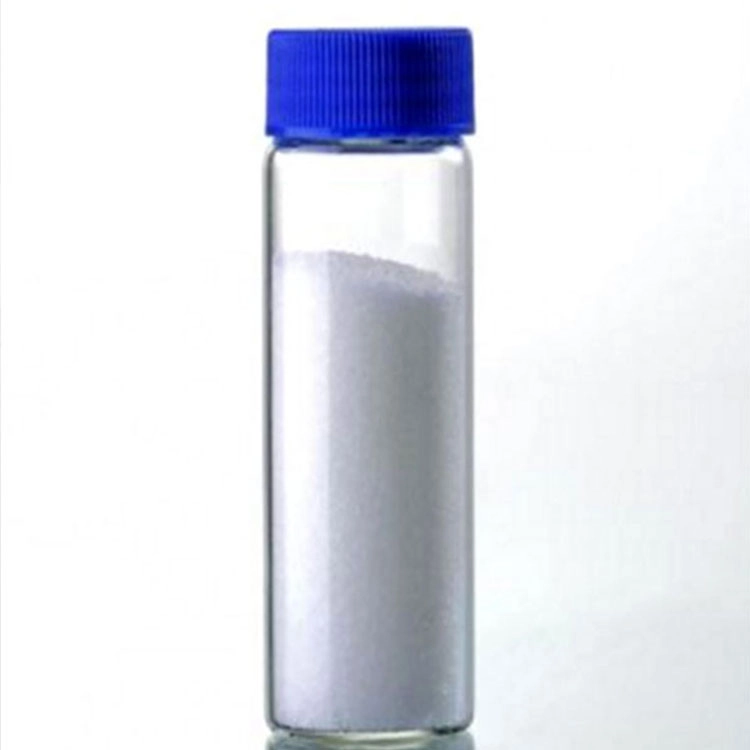
The product is generally supplied as a white crystalline powder or granules. It has a molecular formula of C₄₂H₆₃O₃P and a molecular weight of 646.92 g/mol. It exhibits low volatility, good thermal stability, and practical insolubility in water.
Antioxidant 168 Chemical Properties
Melting point | 181-184 °C(lit.) |
Boiling point | 594.2±50.0 °C(Predicted) |
density | -0.98 |
Fp | 46°C (115°F) |
storage temp. | 2-8°C |
solubility | Acetonitrile (Slightly), Chloroform (Sparingly), Ethyl Acetate (Sparingly, Heate |
form | Powder |
Specific Gravity | 0.98 |
color | white |
Hydrolytic Sensitivity | 4: no reaction with water under neutral conditions |
Sensitive | moisture sensitive |
Stability: | Moisture Sensitive |
InChIKey | JKIJEFPNVSHHEI-UHFFFAOYSA-N |
LogP | 18 at 25℃ |
CAS DataBase Reference | 31570-04-4(CAS DataBase Reference) |
EPA Substance Registry System | Tris(2,4-di-tert-butylphenyl) phosphite (31570-04-4) |
Safety Information
WGK Germany | - |
TSCA | Yes |
HS Code | 2920900002 |
Main Applications
Polyethylene (PE): Improves thermal and oxidative stability during processing.
Polypropylene (PP): Helps reduce degradation during extrusion and injection molding.
ABS Resins: Supports processing stability and color protection.
Polycarbonate (PC): Helps protect polymer materials against thermal oxidation.
Polyamide (PA): Used in selected nylon stabilization formulations.
Polyester Resins: Supports thermal stability in selected polyester systems.
Polystyrene (PS): Used in polymer processing stabilization.
Thermoplastic Polyurethane (TPU): Applied in selected TPU formulations.
Rubber and Elastomers: Used in butyl rubber, SBR, EPDM, and other suitable elastomer systems.
Plastic Masterbatches: Incorporated into antioxidant blends and polymer additive formulations.
Recycled Plastics: Helps reduce oxidative degradation during repeated thermal processing.