
Products Description
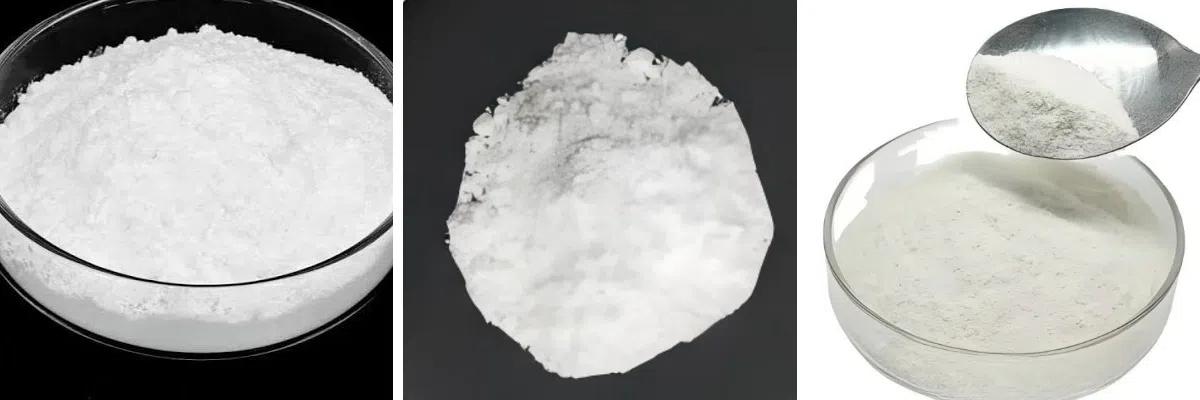
PTFE (polytetrafluoroethylene) typically appears as a pure white fine powder or fluffy, fibrous aggregates, with an exceptionally smooth, slippery feel similar to talcum powder or soap. It is odorless and tasteless. At approximately 327°C, PTFE melts into a gel-like state without exhibiting conventional melt flow. It is insoluble in virtually all known solvents and is characterized by an extremely low coefficient of friction, excellent thermal stability, and outstanding chemical corrosion resistance. These exceptional properties have earned PTFE the widely recognized nickname “King of Plastics.”
Chemical Properties
Melting point | 327 °C |
Boiling point | 400 °C |
density | 2.15 g/mL at 25 °C |
refractive index | 1.35 |
storage temp. | Store at -20°C |
solubility | Solubility in water: |
form | powder |
color | white |
Specific Gravity | 2 |
Odor | at 100.00%. odorless |
Water Solubility | Insoluble in water. Soluble in perfluoro kerosene. |
Thermal Conductivity | 0.251 W/(m·K) |
Merck | 14,7562 |
Dielectric constant | 2.0(Ambient) |
Stability: | Stable - unreactive with most materials. Incompatible with molten alkali metals, fluorine and other halogens, strong oxidizing agents. |
Product Applications
Preparation Method:
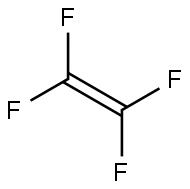
Polytetrafluoroethylene (PTFE) is manufactured using tetrafluoroethylene (TFE) as the primary monomer through free-radical suspension or dispersion polymerization. The reaction is typically carried out in a high-pressure autoclave, with deionized water serving as the reaction medium and suitable initiators, such as persulfates, along with dispersants and stabilizers. TFE gas is introduced into the reactor, and polymerization proceeds under controlled temperature and pressure conditions, generally at around 70–90°C. After the reaction is completed, the resulting material undergoes coagulation, washing, drying, and, where required, pulverization to produce PTFE resin powder or dispersion products.
Main Application Areas:
1. Chemical Corrosion Protection: PTFE is widely used in corrosion-resistant pipe linings, valve seals, gaskets, and pump coatings due to its excellent chemical resistance and durability in corrosive environments.
2. Electrical and Electronics Industry: Owing to its outstanding electrical insulation properties and thermal stability, PTFE is used in high-frequency insulation materials, wire and cable insulation, and printed circuit board (PCB) substrates.
3. Household Products and Cookware: PTFE is commonly used in non-stick coatings for frying pans, baking trays, and other cookware, providing a smooth surface that helps prevent food from sticking and facilitates cleaning.
4. Mechanical Industry: Its low coefficient of friction and self-lubricating properties make PTFE suitable for bearings, oil-free sliding components, sealing rings, and other mechanical parts requiring reduced friction and wear.
5. Medical Applications: Specialized PTFE materials are used in certain biomedical applications, including vascular grafts, cardiac patches, and surgical sutures, owing to their chemical stability and biocompatibility when appropriately manufactured and processed.
Safety Information
PTFE is generally considered an inert polymer and is not typically classified as a hazardous chemical under normal handling conditions. However, when exposed to temperatures above approximately 350°C, it may undergo thermal decomposition and release toxic gases, including hydrogen fluoride. Adequate exhaust ventilation should be provided during high-temperature processing, and inhalation of decomposition fumes must be avoided. The product should be stored in a cool, dry, and clean warehouse, away from strong oxidizing agents, to maintain its quality and ensure safe storage.
Upstream and Downstream Product Information
Upstream Raw Materials: Tetrafluoroethylene (TFE, CAS No. 116-14-3) is the primary monomer used in PTFE production, while dispersants and other additives may be incorporated to facilitate polymerization and control product characteristics.
Downstream Products: PTFE resin is processed into a wide range of products, including pipes, sheets, rods, seals, protective coatings, fibers, and films, serving diverse applications across chemical processing, mechanical engineering, electrical insulation, and other industrial sectors.


