
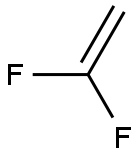
Products Description
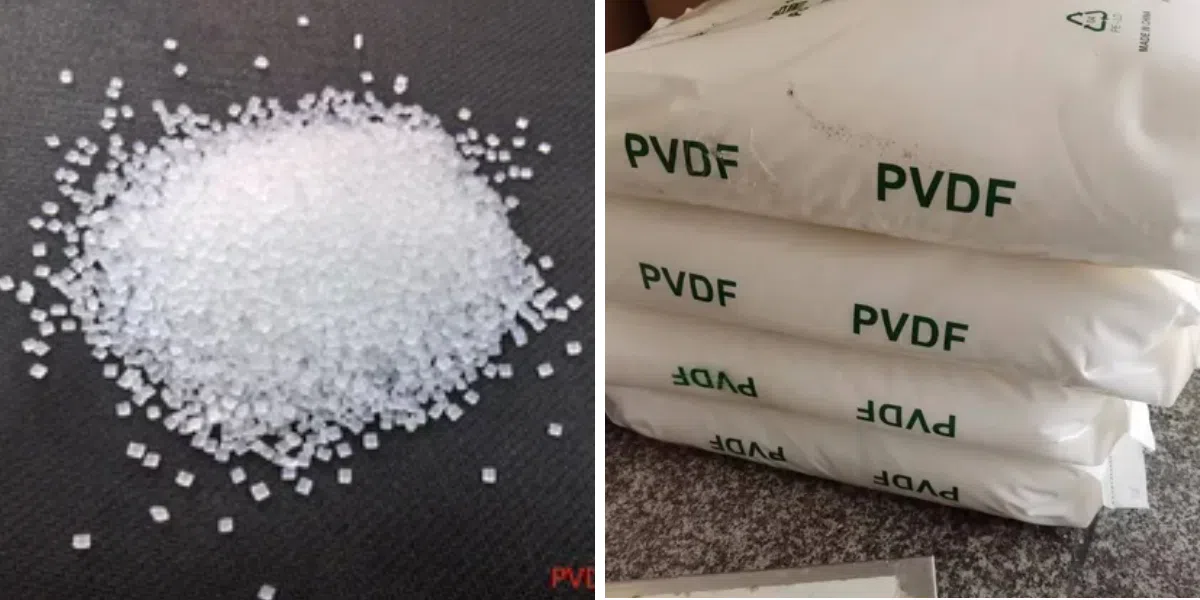
PVDF (polyvinylidene fluoride) is typically available as white to off-white, translucent fine particles or powder with a highly crystalline structure. It features excellent toughness, durability, and a smooth surface. Odorless under normal conditions, it softens and melts into a transparent, viscous liquid when heated to approximately 160–170°C. PVDF is insoluble in water but dissolves in certain polar organic solvents, such as DMF and NMP. It also offers outstanding weather resistance, radiation resistance, and piezoelectric properties, making it suitable for a wide range of industrial and specialized applications.
Chemical Properties
| Melting point | 166-170°C |
| density | 1.78 g/mL at 25 °C |
| Tg | -38 |
| vapor pressure | 15 mm Hg ( 32 °C) |
| refractive index | n |
| storage temp. | Sealed in dry,Room Temperature |
| solubility | some polar solvents such as organic esters and amines: soluble |
| form | powder |
| color | White |
Product Applications
Preparation Method:
Polyvinylidene fluoride (PVDF) is manufactured through the polymerization of vinylidene fluoride (VDF) monomers, primarily using suspension or emulsion polymerization techniques. The process is conducted in a high-pressure autoclave, with deionized water serving as the reaction medium and appropriate initiators and dispersing agents added. VDF gas is then introduced, and polymerization proceeds under controlled temperature and pressure conditions, typically at around 40–100°C. Once the reaction is complete, the resulting polymer is recovered through coagulation, followed by washing and drying to produce the final PVDF resin.
Main Application Areas:
1. Coatings Industry: PVDF is widely used in architectural fluorocarbon coatings and coil coatings, providing excellent weather resistance, long-term durability, and self-cleaning performance.
2. Lithium Battery Industry: PVDF serves as a binder for cathode materials in lithium-ion batteries, playing an important role in battery manufacturing and the new energy industry.
3. Water Treatment: PVDF is used to manufacture hollow-fiber ultrafiltration and microfiltration membranes, offering excellent chemical resistance, durability, and anti-fouling performance.
4. Chemical Corrosion Protection: Owing to its strong resistance to chemicals and corrosive environments, PVDF is used in linings, seals, and protective components for chemical pipelines, valves, and pump housings.
5. Electrical and Electronics Industry: PVDF is applied in high-temperature insulating wires and cable sheaths, as well as piezoelectric films and sensors, due to its electrical insulation properties and piezoelectric characteristics.
Safety Information
PVDF is generally not classified as a hazardous chemical under normal handling conditions. However, during processing at elevated temperatures, it may release small amounts of irritating or hazardous gases, including hydrogen fluoride. Adequate ventilation should therefore be maintained during high-temperature operations. The product should be stored in a cool, dry, and well-ventilated warehouse, away from direct sunlight, to maintain its stability and quality.
Upstream and Downstream Product Information
Upstream Raw Material: Vinylidene fluoride (VDF, CAS No. 75-38-7) is the primary monomer used in the production of polyvinylidene fluoride (PVDF).
Downstream Products: PVDF is further processed into a variety of products, including fluorocarbon coatings, lithium-ion battery binders, hollow-fiber filtration membranes, chemical corrosion-resistant components, and piezoelectric films, serving applications across multiple industrial sectors.


