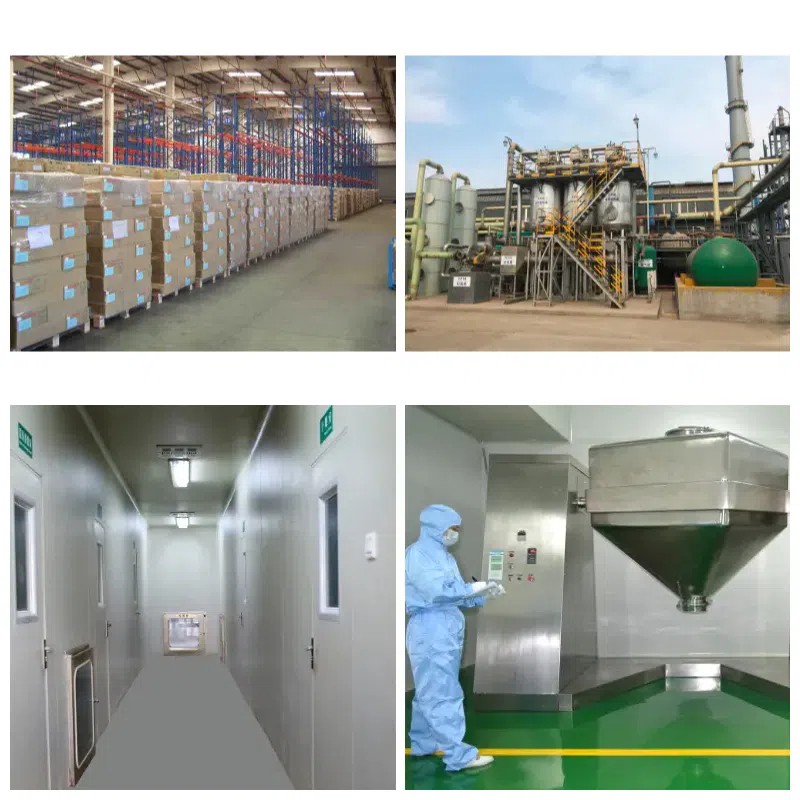
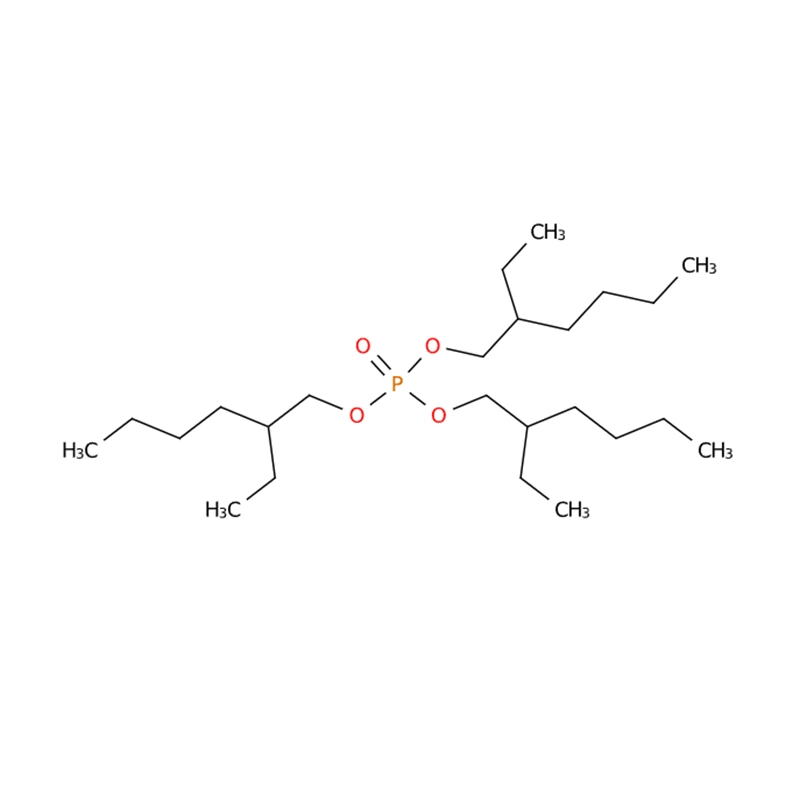
Product Description
Tridecyl phosphate is a multifunctional chemical additive that combines flame-retardant performance with effective plasticizing properties. It typically appears as a colorless, viscous liquid, is insoluble in water, and dissolves readily in many organic solvents. Due to its favorable compatibility with various polymer systems, it is widely used in PVC cable compounds, synthetic rubber, and protective coating formulations. Its incorporation can improve material flexibility and low-temperature performance while enhancing resistance to ignition and flame propagation. These characteristics make tridecyl phosphate a valuable additive for developing polymer materials and industrial products that require a balanced combination of flexibility, durability, and fire safety.
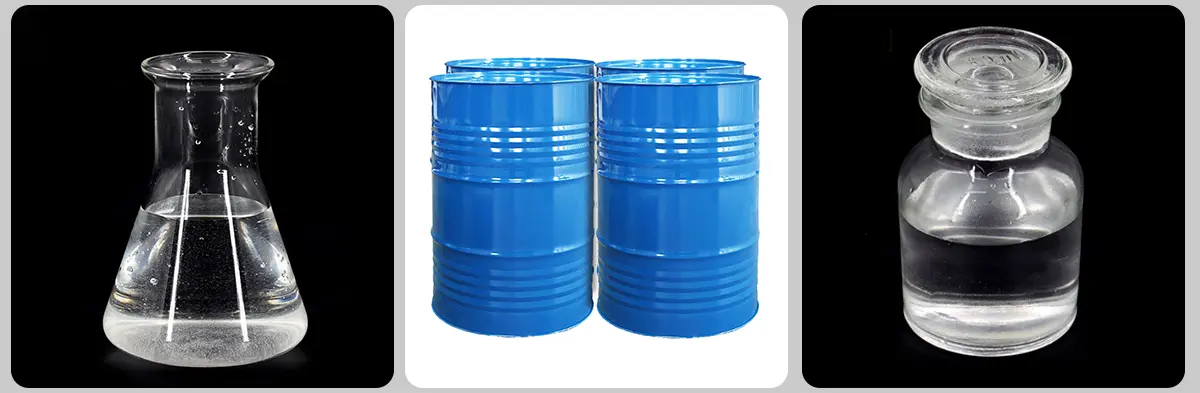
Chemical Propertie
| Melting point | -70°C |
| Boiling point | 215 °C4 mm Hg(lit.) |
| Density | 0.92 g/mL at 20 °C(lit.) |
| Vapor pressure | 2.1 mm Hg ( 20 °C) |
| Refractive index | n20/D 1.444(lit.) |
| Fp | >230 °F |
| Storage temp | Store below +30°C. |
| Solubility | <0.001g/l |
| Form | Liquid |
| Specific Gravity | 0.93 |
| Color | Colourless |
| PH | 7 (H2O, 20℃) |
| Water Solubility | <0.1 g/100 mL at 18 ºC |
| BRN | 1715839 |
| CAS DataBase Reference | 78-42-2(CAS DataBase Reference) |
| NIST Chemistry Reference | 2-Ethylhexanol phosphate (3:1)(78-42-2) |
| EPA Substance Registry System | Tris(2-ethylhexyl) phosphate (78-42-2) |
Safety Information
| Hazard Codes | Xi |
| Risk Statements | 38 |
| Safety Statements | 23-43-24/25 |
| WGK Germany | 2 |
| RTECS | MP0770000 |
| Autoignition Temperature | 370 °C |
| TSCA | Yes |
| HS Code | 29190090 |
| Hazardous Substances Data | 78-42-2(Hazardous Substances Data) |
| Toxicity | LD50 orally in Rabbit: 37000 mg/kg LD50 dermal Rabbit 20000 mg/kg |
Product Application
In the anthraquinone process for hydrogen peroxide production, this product can be used as an alternative to hydroterpineol, helping increase hydrogen peroxide concentration, improve product quality, and reduce consumption during the production process. Its favorable solvent properties support efficient extraction and stable process operation, contributing to improved overall production efficiency.
Additionally, it can be used as a cold-resistant plasticizer in polyvinyl chloride (PVC) formulations. Its incorporation improves flexibility and performance at low temperatures, making it suitable for PVC products that require reliable cold-weather resistance and durability.