
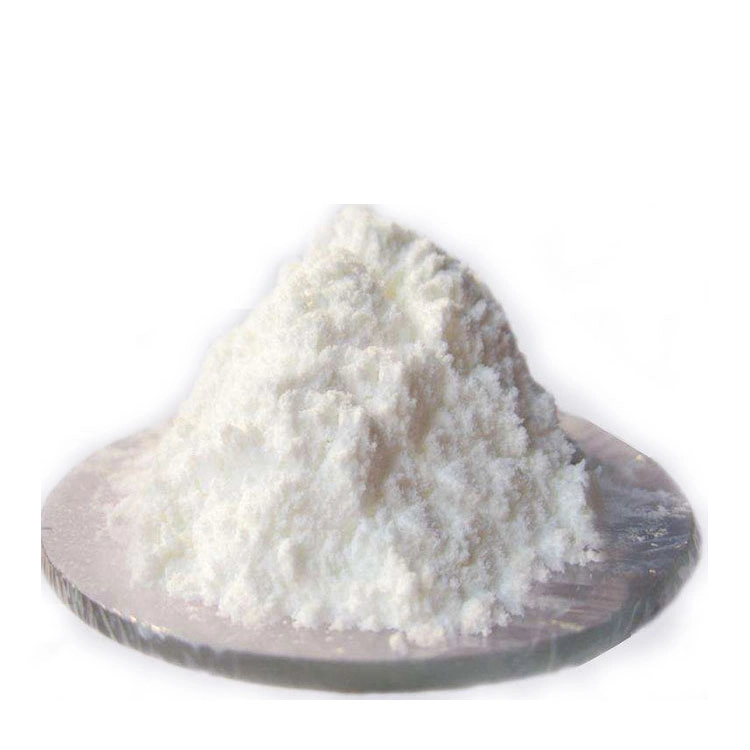
Product Overview
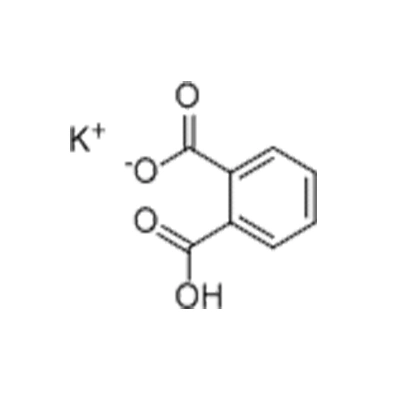
Potassium Hydrogen Phthalate, commonly known as KHP or Potassium Biphthalate, is an organic potassium salt derived from phthalic acid. It has the molecular formula C₈H₅KO₄ and a molecular weight of 204.22 g/mol. The product is generally supplied as a white crystalline powder or crystalline solid.
KHP is widely recognized for its role as a primary standard in analytical chemistry. Its stable composition, high purity availability, and well-defined chemical properties make it particularly useful in quantitative laboratory analysis. It is commonly used to standardize sodium hydroxide solutions through acid-base titration, helping laboratories obtain accurate and reproducible analytical results.
Another important application is pH calibration. Potassium Hydrogen Phthalate is used in the preparation of standard buffer solutions, particularly those around pH 4.00 at 25°C. It is also used in analytical testing, chemical research, quality control, and educational laboratories.
Commercial grades include analytical reagent, ACS reagent, and primary standard grades. Different grades may have different purity specifications and testing requirements. Customers should confirm assay, impurity limits, and applicable standards through the supplier's COA and TDS before purchasing.
Safety and Storage
Potassium Hydrogen Phthalate is generally considered a relatively low-hazard laboratory chemical under certain supplier classifications. However, safety classifications can vary between suppliers and jurisdictions. Some SDS documents identify potential skin and eye irritation, so appropriate precautions should always be followed.
Wear suitable protective gloves, safety goggles, and laboratory clothing when handling the product. Avoid generating or inhaling dust, and prevent direct contact with the eyes and skin. Use adequate ventilation when weighing or transferring larger quantities. Wash hands thoroughly after handling.
Store in a tightly sealed container in a cool, dry, and well-ventilated place. Protect the material from moisture and contamination to maintain its analytical quality. Keep the container properly labeled and use clean, dry equipment when transferring the powder.
Potassium hydrogen phthalate Chemical Properties
Melting point | 295-300 °C (dec.) (lit.) |
Boiling point | 98.5-99.5 ;°C/740 ;mmHg(lit .) |
density | 1.006 g/mL at 20 °C |
storage temp. | Store at +5°C to +30°C. |
solubility | H2O: 100 mg/mL, clear, colorless |
form | Solid |
color | White |
Odor | Odorless |
PH Range | 3.8 - 4.0 (5% aq. sol.) |
PH | 4.00-4.02 (25.0℃±0.2℃, 0.05M) |
Water Solubility | 80 G/L (20 ºC) |
Merck | 14,7612 |
BRN | 3637128 |
Stability: | Stable. Incompatible with strong oxidizing agents. |
InChIKey | IWZKICVEHNUQTL-UHFFFAOYSA-M |
LogP | -2.73 |
CAS DataBase Reference | 877-24-7(CAS DataBase Reference) |
EPA Substance Registry System | Monopotassium phthalate (877-24-7) |
Safety Information
Hazard Codes | Xi,C,T |
Risk Statements | 36/38-36/37/38-34-61-60 |
Safety Statements | 26-36-24/25-22-45-36/37/39-53 |
RIDADR | UN 1789 8/PG 3 |
WGK Germany | 1 |
RTECS | CZ4326000 |
F | 34 |
TSCA | Yes |
HS Code | 29173990 |
Toxicity | LD50 orally in Rabbit: > 3200 mg/kg |


