
Product Overview
Propargylamine, also known as 2-Propynylamine or 3-Amino-1-propyne, is a nitrogen-containing organic compound with the molecular formula C₃H₅N and a molecular weight of 55.08 g/mol. Its molecular structure contains a primary amino group and a terminal carbon-carbon triple bond, providing two distinct functional groups for chemical transformations.
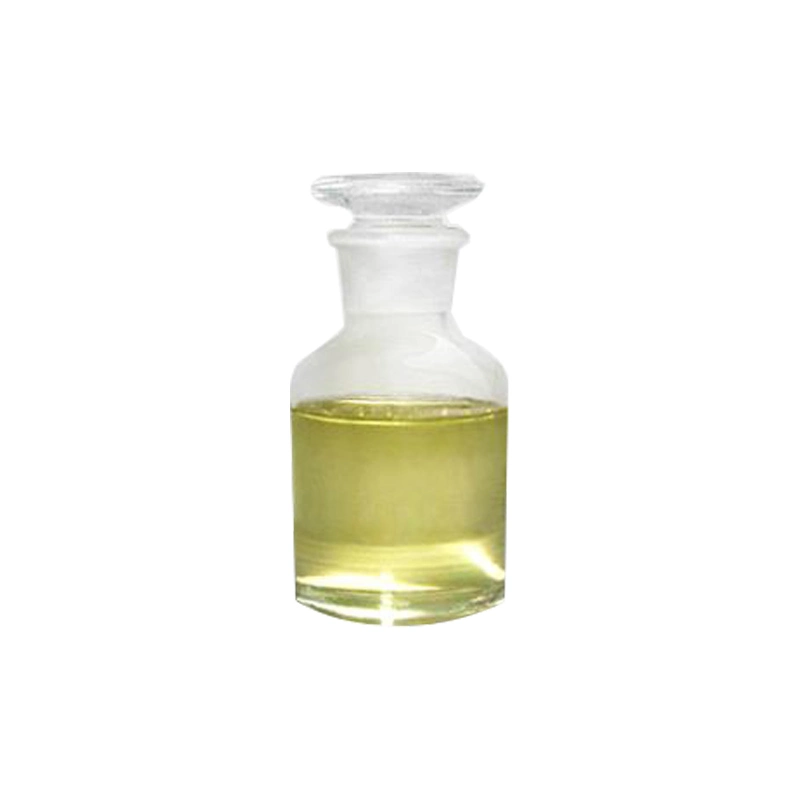
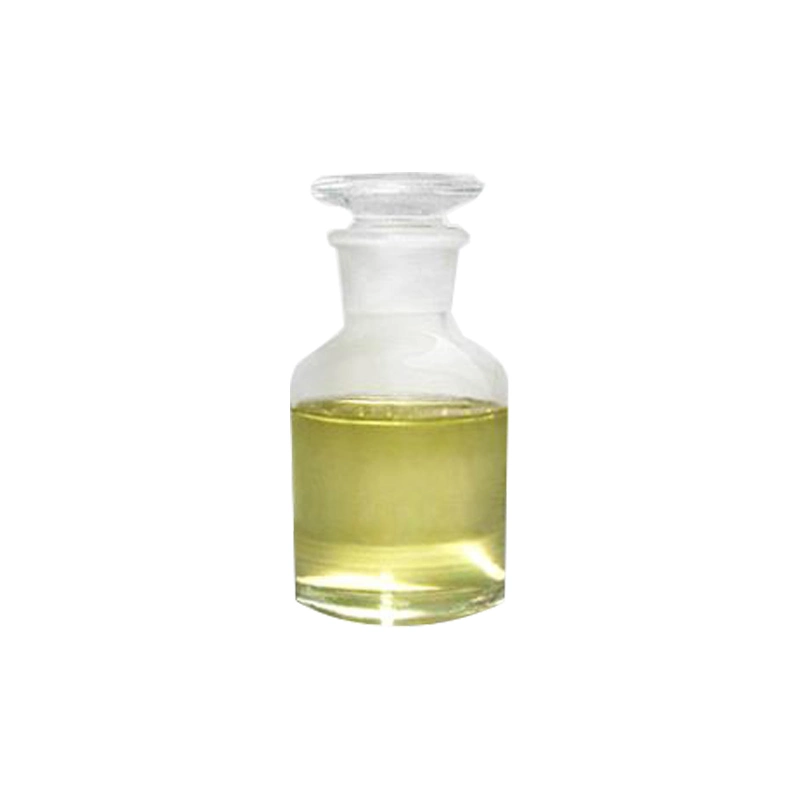
This product is generally supplied as a colorless to pale-yellow liquid. It has a boiling point of approximately 84°C, a density of around 0.86 g/cm³ and is miscible with water. Commercial grades include products with 97% or higher GC purity, depending on the manufacturer.
Due to its combination of amine and alkyne functionality, Propargylamine is an important intermediate in organic synthesis and specialty chemical development. It is used in the preparation of nitrogen-containing compounds, pharmaceutical-related intermediates and functional molecules. Its terminal alkyne group also makes it suitable for research involving alkyne functionalization and copper-catalyzed azide-alkyne cycloaddition (CuAAC) chemistry.
PROPARGYLAMINE Chemical Properties
Boiling point | 84 °C |
density | 0.86 |
refractive index | n20/D 1.449(lit.) |
Fp | 39 °F |
storage temp. | 2-8°C |
solubility | soluble in Chloroform, Ethyl Acetate |
pka | 7.89±0.29(Predicted) |
form | Liquid |
color | Clear colorless to yellow |
Water Solubility | miscible |
Sensitive | Air Sensitive |
BRN | 773681 |
Dielectric constant | 6.6500000000000004 |
CAS DataBase Reference | 2450-71-7(CAS DataBase Reference) |
NIST Chemistry Reference | Propargylamine(2450-71-7) |
EPA Substance Registry System | 2-Propyn-1-amine (2450-71-7) |
Safety Information
Hazard Codes | F,T |
Risk Statements | 11-22-24-34 |
Safety Statements | 16-26-33-36/37/39-45-28A |
RIDADR | UN 1992 3/PG 2 |
WGK Germany | 3 |
RTECS | UK5250000 |
F | 3-8-10-34 |
TSCA | Yes |
HazardClass | 3.1 |
PackingGroup | II |
HS Code | 29211990 |
Safety and Storage
Propargylamine is a highly flammable and corrosive organic chemical that requires careful handling. Supplier safety information identifies hazards including highly flammable liquid and vapor, harmful if swallowed, toxic in contact with skin, and the potential to cause severe skin burns and eye damage.
Handle the material in a well-ventilated area or under suitable local exhaust ventilation. Avoid inhaling vapors and prevent direct contact with skin and eyes. Wear appropriate chemical-resistant gloves, protective clothing and safety goggles or a face shield. Keep away from heat, sparks, open flames and other ignition sources.
Store in a tightly sealed, compatible container in a cool, dry and well-ventilated location. The compound may be sensitive to air, moisture and light. Some suppliers recommend refrigerated storage at 0–10°C. Keep away from acids, strong oxidizing agents and other incompatible materials. Follow the actual supplier SDS for storage conditions, emergency procedures and disposal requirements.


