
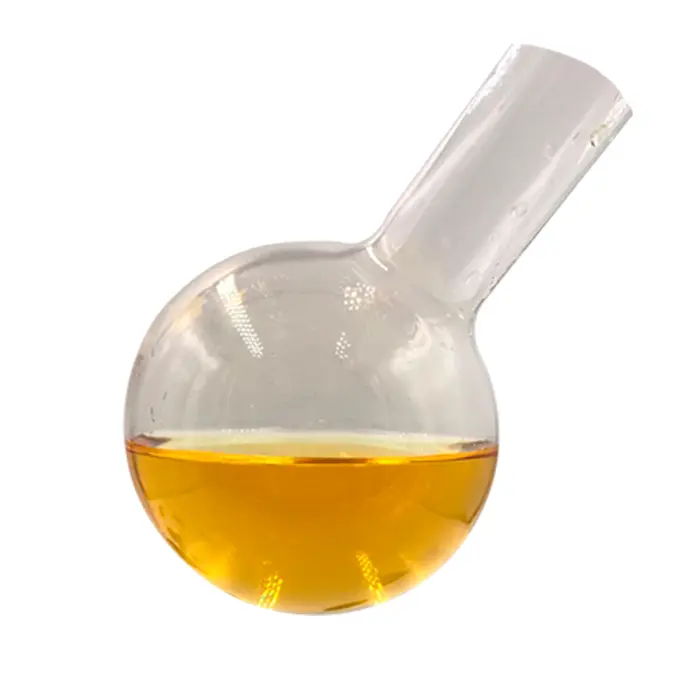
Products Description
Propiconazole (Pcz), chemically known as 1-[[2-(2,4-dichlorophenyl)-4-propyl-1,3-dioxolan-2-yl]methyl]-1H-1,2,4-triazole, is a triazole-based systemic fungicide widely used to control a broad spectrum of fungal diseases in agricultural crops. Its applications include the protection of seed-producing grasses, mushrooms, corn, wild rice, peanuts, almonds, sorghum, oats, pecans, apricots, peaches, nectarines, plums, and prunes. In cereal crops, particularly wheat and barley, propiconazole is effective against various fungal pathogens responsible for diseases such as powdery mildew, leaf blotch, eyespot, rust, net blotch, scald, and Septoria leaf diseases.
Wheat is one of the major crops treated with fungicides in the United States, and propiconazole has historically accounted for a substantial proportion of fungicide applications in this sector. Propiconazole has a water solubility of approximately 110 mg/L, and concentrations of up to 24 mg/L have been reported in water bodies affected by agricultural runoff.
In addition to its fungicidal activity, propiconazole has been identified as an inhibitor of brassinosteroid (BR) biosynthesis in plants. Studies have demonstrated that it can suppress hypocotyl elongation in cress (Lepidium sativum), an effect that can be reversed through the application of brassinolide. Its chemical structure has also provided a basis for identifying other compounds with potential BR-inhibiting properties.
Propiconazole is commercially marketed as a fungicide, including under the product name Banner Maxx by Syngenta, for controlling a wide range of plant-pathogenic fungi. Its primary antifungal mechanism involves inhibiting the fungal cytochrome P450 enzyme sterol 14α-demethylase (CYP51), thereby disrupting ergosterol biosynthesis and interfering with fungal cell membrane formation. Owing to its biological activity, propiconazole has been extensively investigated for its potential effects on plants, animals, humans, and the environment. Molecular and genetic studies have also examined its effects on the growth and development of model plants, including Arabidopsis and maize seedlings.
Chemical Properties
Melting point | <25 °C |
Boiling point | 180°C (0.1 torr) |
density | 1.2700 |
vapor pressure | 5.6 x l0-5 Pa (25 °C) |
refractive index | 1.6100 (estimate) |
Fp | 11 °C |
storage temp. | APPROX 4°C |
solubility | DMF: 33 mg/ml,DMF:PBS (pH 7.2)(1:3): 0.16 mg/ml,DMSO: 20 mg/ml,Ethanol: 10 mg/ml |
Water Solubility | 100 mg l-1(2O °C) |
pka | 2.94±0.12(Predicted) |
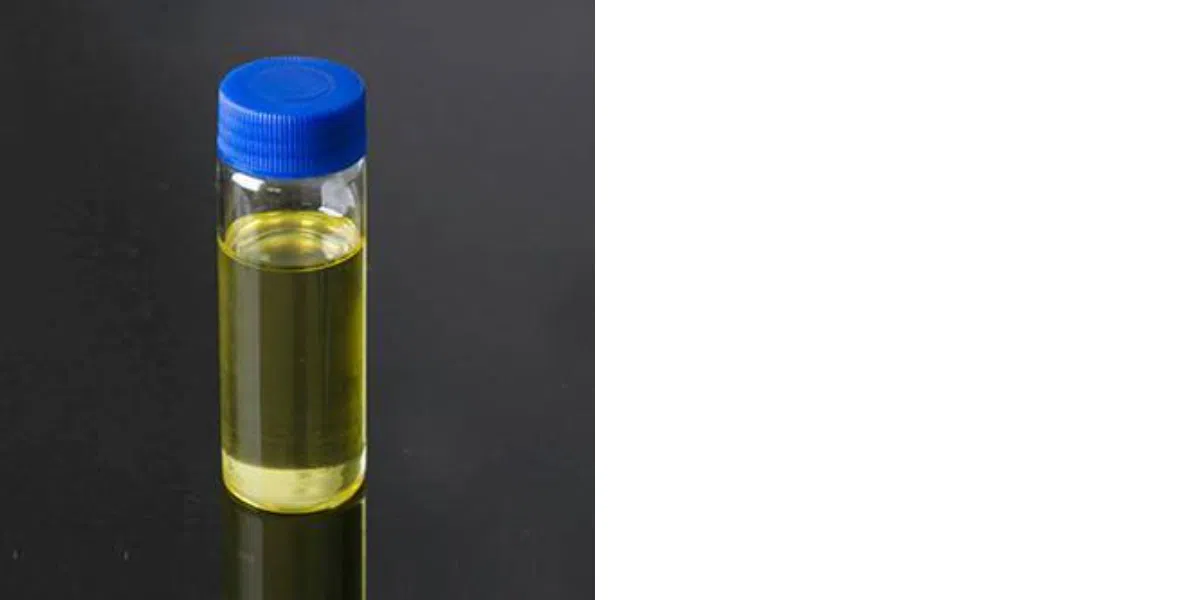
form | Oil |
Specific Gravity | 1.29 (20℃) |
Merck | 13,7910 |
BRN | 9349305 |
Stability: | Stable. Incompatible with strong oxidizing agents. |
InChIKey | STJLVHWMYQXCPB-UHFFFAOYSA-N |
LogP | 3.7 at 25℃ |
CAS DataBase Reference | 60207-90-1(CAS DataBase Reference) |
EPA Substance Registry System | Propiconazole (60207-90-1) |
Safety Information
Hazard Codes | Xn,N,T,F |
Risk Statements | 22-43-50/53-39/23/24/25-23/24/25-11 |
Safety Statements | 36/37-46-60-61-45-16-7 |
RIDADR | UN3082 9/PG 3 |
WGK Germany | 3 |
RTECS | XZ4620000 |
HS Code | 29349990 |
Hazardous Substances Data | 60207-90-1(Hazardous Substances Data) |
Toxicity | LD50 orally in rats: 1517 mg/kg (Urech) |


