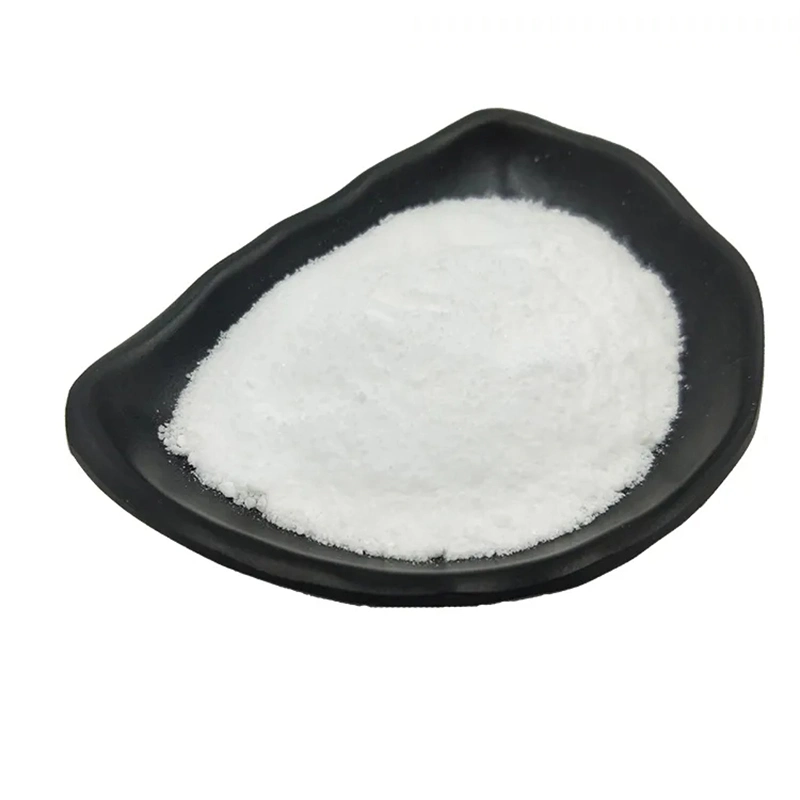
Erucic acid, commonly known as cis-13-docosenoic acid, belongs to the class of monounsaturated omega-9 fatty acids. It is naturally abundant in the seeds of Brassicaceae family plants, particularly rapeseed and mustard seed, as well as various brassica vegetables including turnips, cabbage, and kale.
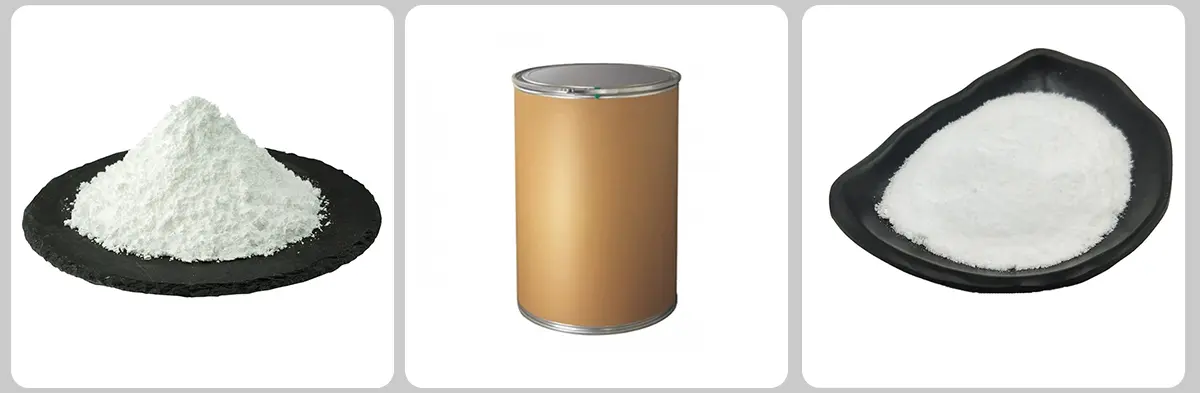
Erucic Acid Chemical Properties
| Melting point | 28-32 °C (lit.) |
| Boiling point | 358 °C/400 mmHg (lit.) |
| density | 0,86 g/cm3 |
| refractive index | nD45 1.4534; nD65 1.44794 |
| Fp | 265°C/15mm |
| storage temp. | 2-8°C |
| solubility | Chloroform (Slightly), Methanol (Slightly) |
| pka | 4.78±0.10(Predicted) |
| form | Solid |
| color | White to Off-White |
| biological source | synthetic (organic) |
| Merck | 14,3674 |
| BRN | 1728049 |
| LogP | 9.459 (est) |
| CAS DataBase Reference | 112-86-7(CAS DataBase Reference) |
| NIST Chemistry Reference | Erucic acid(112-86-7) |
| EPA Substance Registry System | 13-Docosenoic acid, (13Z)- (112-86-7) |
Safety Information
| Hazard Codes | Xi |
| Risk Statements | 36/37/38 |
| Safety Statements | 26-36 |
| WGK Germany | 1 |
| RTECS | JR1280000 |
| F | 10-23 |
| TSCA | Yes |
| HS Code | 29161900 |
| Hazardous Substances Data | 112-86-7(Hazardous Substances Data) |
Erucic acid (CAS No. 112-86-7), a monounsaturated fatty acid, is widely utilized across multiple industrial sectors. In chemical synthesis, it serves as a key material for manufacturing lubricants, synthetic fibers, and process auxiliaries. The cosmetic industry uses it as a texturizing agent, while the food sector incorporates it as a functional additive within established regulatory standards. Furthermore, it is applied in biochemical research as an experimental compound, as well as in marine anti-corrosion treatments. It also finds essential use in fiber oiling formulations, specialized industrial lubricants, and personal protective equipment processing, consistently providing reliable performance