
Products Description
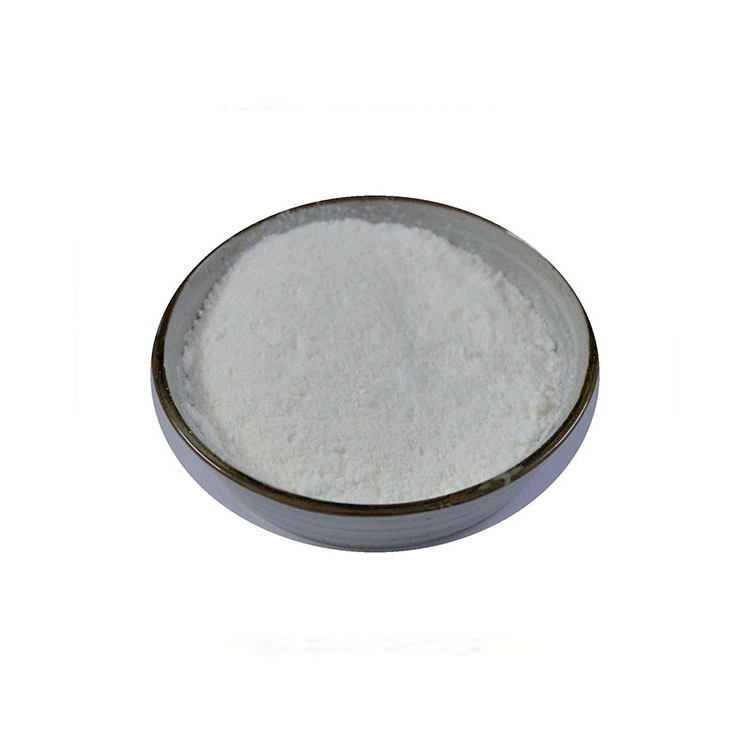
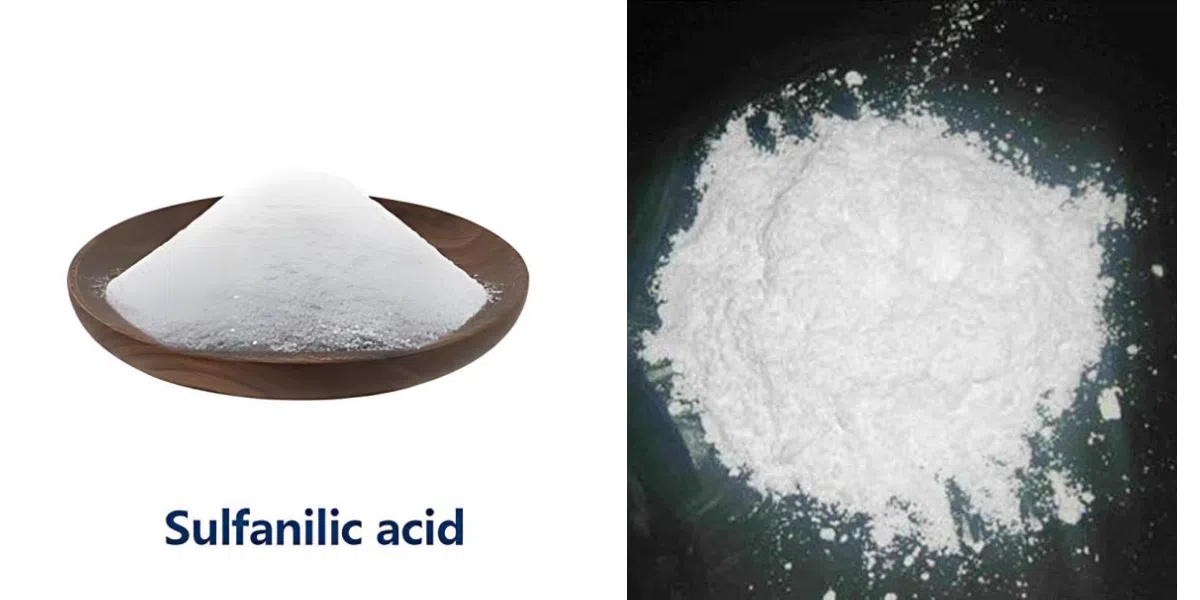
White to off-white crystalline solid. Its hydrated form loses water of crystallization at 100°C, while the anhydrous substance begins to decompose and carbonize at approximately 280°C. It has a relative density of 1.485 (25/4°C). It is slightly soluble in cold water but insoluble in ethanol, ether, and benzene. The compound exhibits strong acidic properties and is readily soluble in sodium hydroxide and sodium carbonate solutions.
Chemical Properties
Melting point | >300 °C(lit.) |
Boiling point | 288 ℃ |
density | 1.485 |
vapor pressure | 0Pa at 25℃ |
refractive index | 1.5500 (estimate) |
storage temp. | Store below +30°C. |
solubility | 10g/l |
pka | 3.24(at 25℃) |
form | solid |
color | White to Off-White |
PH | 2.5 (10g/l, H2O, 20℃) |
Water Solubility | 0.1 g/100 mL (20 ºC) |
Merck | 14,8926 |
BRN | 908765 |
Stability: | Stable. Incompatible with strong oxidizing agents. |
InChIKey | HVBSAKJJOYLTQU-UHFFFAOYSA-N |
LogP | -2.3 at 25℃ |
CAS DataBase Reference | 121-57-3(CAS DataBase Reference) |
NIST Chemistry Reference | Benzenesulfonic acid, 4-amino-(121-57-3) |
EPA Substance Registry System | Sulfanilic acid (121-57-3) |
Safety Information
Hazard Codes | C,Xi |
Risk Statements | 36/38-43-34 |
Safety Statements | 26-36/37/39-45-37-24-36/37 |
RIDADR | UN 2790 8/PG 3 |
WGK Germany | 1 |
RTECS | WP3895500 |
Autoignition Temperature | >400 °C |
TSCA | Yes |
HS Code | 29214210 |
Hazardous Substances Data | 121-57-3(Hazardous Substances Data) |
Toxicity | LD50 orally in Rabbit: 12300 mg/kg |
Product Applications
Para-aminobenzenesulfonic acid is widely used in the production of dyes and printing and dyeing auxiliaries. It also plays an important role in the prevention and control of wheat rust and serves as an intermediate in the manufacture of fragrances, food colorants, pharmaceuticals, whitening agents, and pesticides. In addition, it is utilized as a reference standard, laboratory reagent, and chromatographic analytical reagent in organic synthesis and chemical analysis.
It is also employed in the detection and determination of ammonia, cerium, nitrite, aluminum, magnesium, potassium, sodium, iodine, and iodide. Furthermore, it serves as an elemental analysis standard for carbon, hydrogen, nitrogen, oxygen, and sulfur. When used in combination with 1-naphthylamine, it helps determine nitrite levels. Other analytical applications include the testing of osmium and ruthenium, indirect determination of potassium through potassium nitrite, serum bilirubin measurement, and soil analysis.


