
Product Overview
Tetrabutylammonium Iodide, commonly abbreviated as TBAI or Tetra-n-butylammonium Iodide, is an organic quaternary ammonium salt with the molecular formula C₁₆H₃₆IN and a molecular weight of 369.37 g/mol. Its structure consists of a tetrabutylammonium cation paired with an iodide anion. This ionic structure gives the compound useful properties in organic synthesis and chemical research.
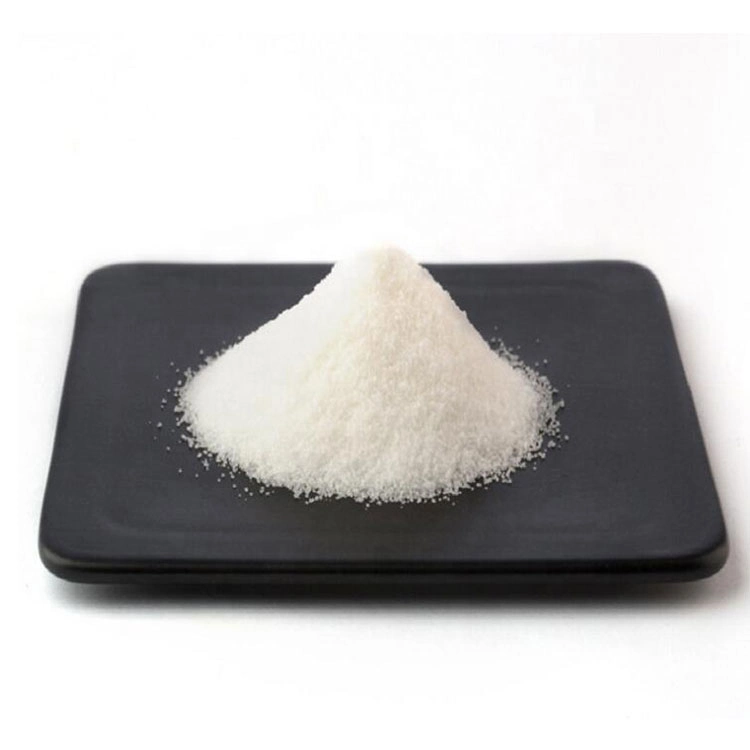
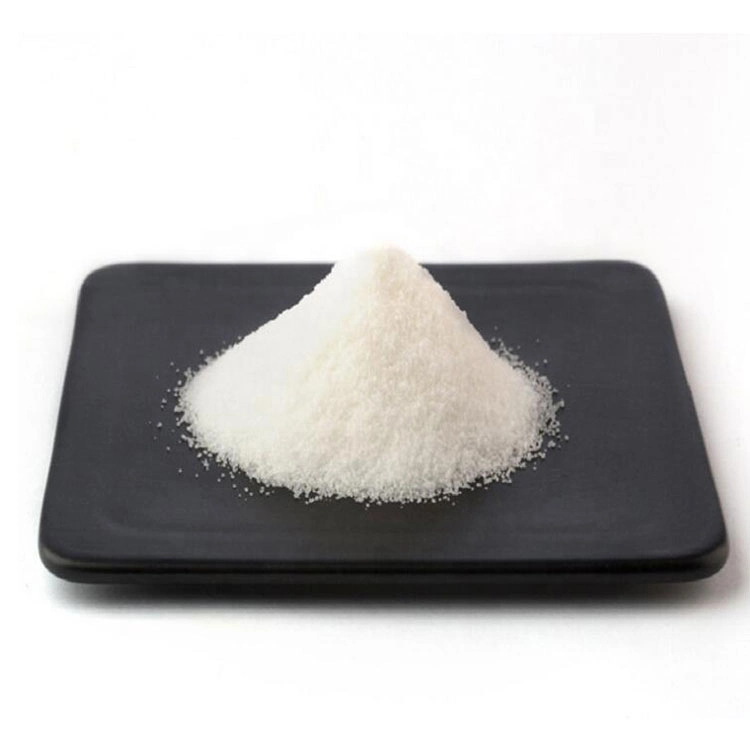
The product is generally supplied as a white to cream-colored crystalline powder, crystals, or flakes. It has a reported melting point of approximately 141–150°C, with the exact range depending on the supplier and product specification. Tetrabutylammonium Iodide is soluble in selected polar organic solvents, including acetonitrile, and is widely recognized as a phase-transfer catalyst in suitable chemical reaction systems.
TBAI is used in organic synthesis, laboratory research, and studies involving ionic compounds and reaction mechanisms. It can facilitate reactions involving different phases by helping transfer ionic species between reaction environments. Its suitability depends on the reaction system, solvent, temperature, and reagent combination. Commercial products are available in different grades and purity levels. Buyers should confirm the required assay, moisture content, and other specifications through the supplier's technical data sheet and batch-specific Certificate of Analysis (COA)
Safety and Storage
Tetrabutylammonium Iodide should be handled with appropriate chemical safety precautions. Supplier Safety Data Sheets identify potential hazards including harmful effects if swallowed, skin irritation, serious eye irritation, and possible respiratory irritation. The exact hazard classification may vary between suppliers and product grades. The substance is also described as hygroscopic in some supplier safety documentation, meaning it can absorb moisture from the surrounding environment.
Avoid inhaling dust and prevent direct contact with skin and eyes. Handle the material in a well-ventilated area or under suitable local exhaust ventilation. Wear appropriate protective gloves, safety goggles, and protective clothing. Do not eat, drink, or smoke while handling the product, and wash hands thoroughly after use. If exposure occurs, follow the first-aid instructions in the supplier's SDS and seek medical advice when necessary.
Store the product in a tightly sealed, clearly labeled container in a cool, dry place. Protect it from moisture and excessive exposure to light, and keep it away from incompatible materials. Storage recommendations vary by supplier: some specify room-temperature storage, while others recommend keeping the material below 30°C. Follow the conditions stated on the actual product label and supplier documentation.
Dispose of unused material and contaminated packaging according to applicable local regulations. Always consult the latest supplier-specific Safety Data Sheet (SDS) before handling, storage, transportation, or disposal
Tetrabutylammonium iodide Chemical Properties
Melting point | 141-143 °C(lit.) |
Boiling point | 145.3℃[at 101 325 Pa] |
density | 1.20 |
vapor pressure | 0Pa at 25℃ |
storage temp. | Store below +30°C. |
solubility | acetonitrile: 0.1 g/mL, clear, colorless |
form | Crystalline Powder |
color | White to cream |
Odor | Amine like |
Water Solubility | Soluble in water and methanol. Insoluble in benzene. |
Sensitive | Light Sensitive & Hygroscopic |
λmax | λ: 290 nm Amax: 0.1 |
BRN | 3916152 |
Exposure limits | ACGIH: TWA 0.01 ppm |
Stability: | Stable. Incompatible with strong oxidizing agents. Light-sensitive. |
InChIKey | DPKBAXPHAYBPRL-UHFFFAOYSA-M |
LogP | 0.869 at 25℃ |
CAS DataBase Reference | 311-28-4(CAS DataBase Reference) |
EPA Substance Registry System | Tetrabutylammonium iodide (311-28-4) |
Safety Information
Hazard Codes | Xn |
Risk Statements | 22-36/37/38 |
Safety Statements | 26-36-37/39 |
WGK Germany | 3 |
RTECS | BS5450000 |
F | 8 |
TSCA | Yes |
HS Code | 29239000 |
Toxicity | LD50 orally in Rabbit: 1990 mg/kg |


