
Products Description
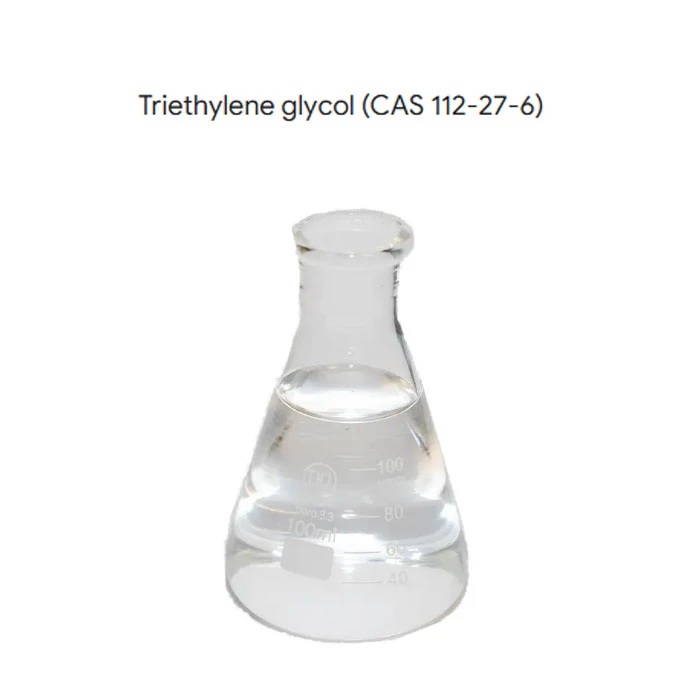
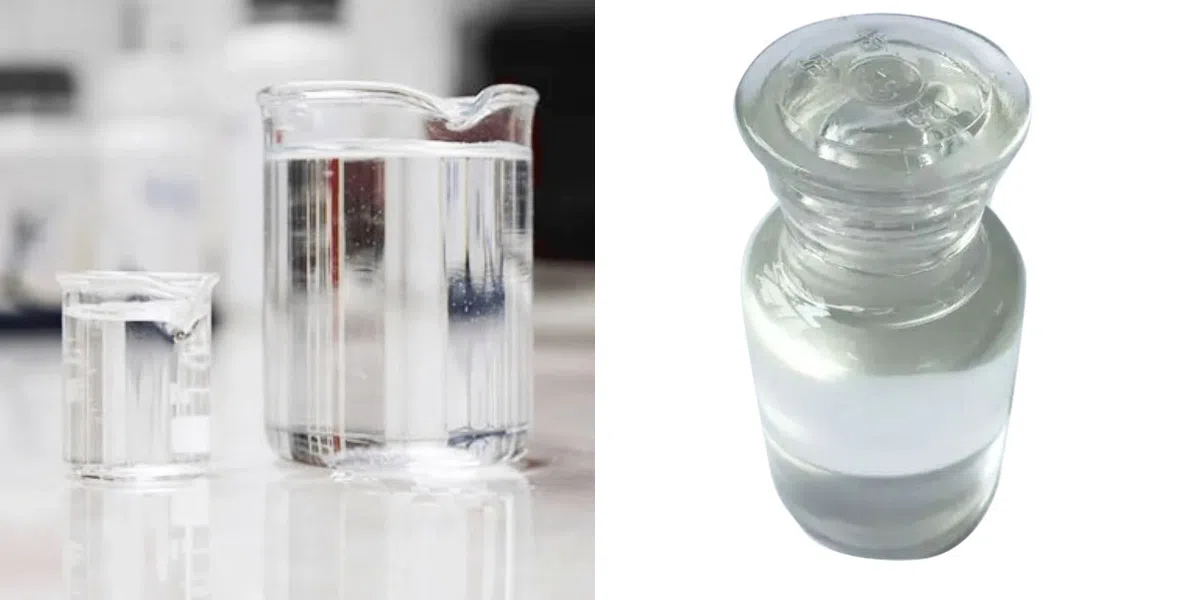
Triethylene glycol is a clear, colorless, viscous liquid with a faintly sweet odor. It is highly soluble in water but insoluble in benzene, toluene, and gasoline, and it is combustible. Due to the presence of two ether groups and two hydroxyl groups in its molecular structure, its chemical properties are closely related to those of ethers and higher alcohols. It is widely used as a solvent for gums, resins, nitrocellulose, steam-set printing inks, and wood stains. Its low vapor pressure and high boiling point give it properties and applications similar to those of ethylene glycol and diethylene glycol. In addition, its excellent hygroscopic properties make it an effective liquid desiccant for removing moisture from natural gas. It is also commonly used in air-conditioning systems designed for air dehumidification.
Chemical Properties
Melting point | −7 °C(lit.) |
Boiling point | 125-127 °C0.1 mm Hg(lit.) |
density | 1.124 g/mL at 20 °C(lit.) |
vapor density | 5.2 (vs air) |
vapor pressure | <0.01 mm Hg ( 20 °C) |
refractive index | n20/D |
Fp | 165 °C |
storage temp. | Store below +30°C. |
solubility | H2O: 50 mg/mL at 20 °C, clear, colorless |
pKa | 14.06±0.10(Predicted) |
form | Viscous Liquid |
color | Clear very slightly yellow |
PH | 5.5-7.0 (25℃, 50mg/mL in H2O) |
Odor | Very mild, sweet. |
explosive limit | 0.9-9.2%(V) |
Water Solubility | SOLUBLE |
Sensitive | Hygroscopic |
λmax | λ: 260 nm Amax: 0.06 |
Merck | 14,9670 |
BRN | 969357 |
Dielectric constant | 2.4(25℃) |
Stability: | Stable. Combustible. Incompatible with strong oxidizing agents. |
InChIKey | ZIBGPFATKBEMQZ-UHFFFAOYSA-N |
LogP | -1.75 at 25℃ |
CAS DataBase Reference | 112-27-6(CAS DataBase Reference) |
NIST Chemistry Reference | Triethylene glycol(112-27-6) |
EPA Substance Registry System | Triethylene glycol (112-27-6) |
Safety Information
Hazard Codes | Xi |
Risk Statements | 36/37/38 |
Safety Statements | 26-36 |
WGK Germany | 1 |
RTECS | YE4550000 |
Autoignition Temperature | 699 °F |
TSCA | Yes |
HS Code | 29094919 |
Hazardous Substances Data | 112-27-6(Hazardous Substances Data) |
Toxicity | LD50 in mice, rats (g/kg): 21, 15-22 orally; 7.3-9.5, 11.7 i.v. (Stenger) |
Product Applications
Triethylene glycol is a chemical solvent produced from ethylene oxide and ethylene glycol. It has a wide range of industrial and commercial applications, including the following:
Triethylene glycol is used in the preparation of fatty acid-based gelators, which help form gels in various edible and vegetable oils. It also serves as a solvent in the synthesis of superparamagnetic iron oxide nanoparticles used for in situ protein purification. Additionally, it acts as an absorbent in subsea natural gas dehydration processes.
Beyond these applications, triethylene glycol is widely utilized as a plasticizer, an additive in hydraulic and brake fluids, and a disinfectant. It is also an important component in certain pigments, printing dyes, inks, and pastes. Owing to its excellent moisture-absorbing properties, it is employed as a liquid desiccant in the dehydration of natural gas, carbon dioxide, and hydrogen sulfide, as well as in air-conditioning systems. Furthermore, it is used in antifreeze and de-icing formulations, cleaning and furniture-care products, lubricants, and greases.


