Product Description
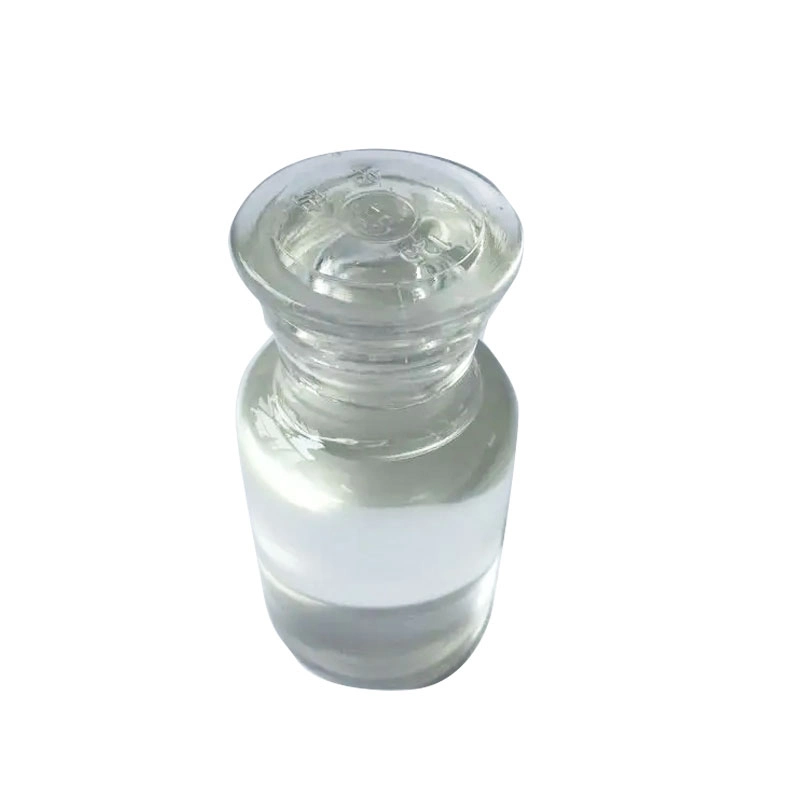
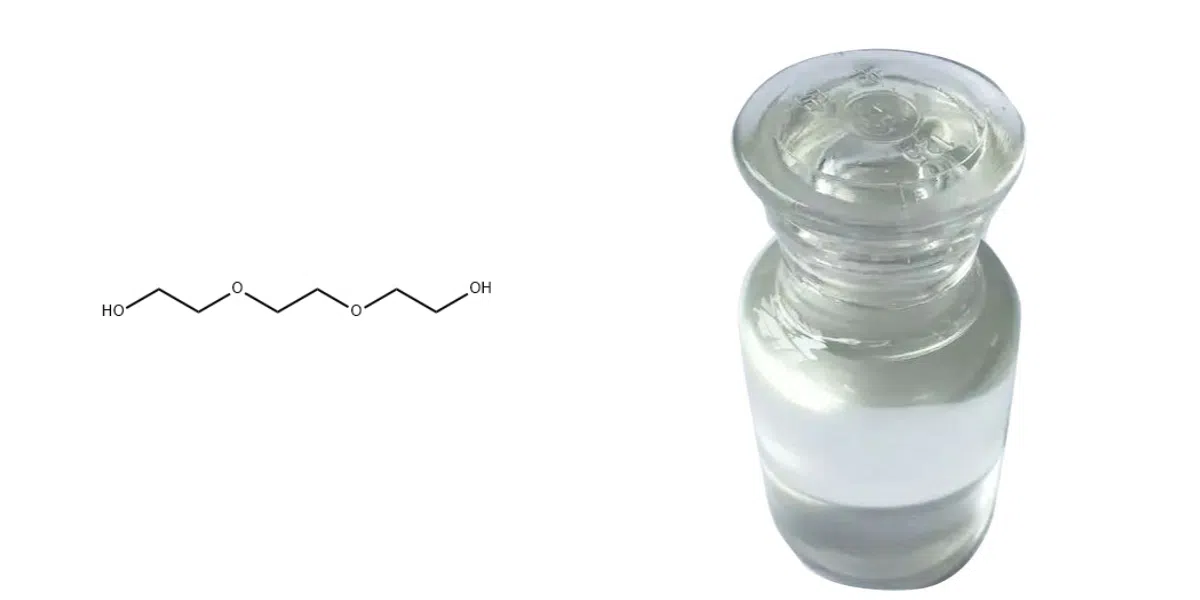
Triethylene Glycol (TEG) is a colorless, low-volatility liquid with a mild characteristic odor. It belongs to the glycol family and contains three ethylene oxide units. Its hygroscopic nature, high boiling point, and solvent properties make it useful in various industrial applications.
Triethylene glycol is primarily used in natural gas dehydration systems to remove water vapor. It is also used in certain chemical formulations and as an intermediate in specialized manufacturing processes. Product specifications may vary according to purity and intended application.
Melting point | −7 °C(lit.) |
Boiling point | 125-127 °C0.1 mm Hg(lit.) |
density | 1.124 g/mL at 20 °C(lit.) |
vapor density | 5.2 (vs air) |
vapor pressure | <0.01 mm Hg ( 20 °C) |
refractive index | n20/D 1.455(lit.) |
Fp | 165 °C |
storage temp. | Store below +30°C. |
solubility | H2O: 50 mg/mL at 20 °C, clear, colorless |
pKa | 14.06±0.10(Predicted) |
form | |
color | Clear very slightly yellow |
PH | 5.5-7.0 (25℃, 50mg/mL in H2O) |
Odor | Very mild, sweet. |
explosive limit | 0.9-9.2%(V) |
Water Solubility | SOLUBLE |
Sensitive | Hygroscopic |
λmax | λ: 260 nm Amax: 0.06 |
Merck | 14,9670 |
BRN | 969357 |
Dielectric constant | 2.4(25℃) |
Stability: | Stable. Combustible. Incompatible with strong oxidizing agents. |
InChIKey | ZIBGPFATKBEMQZ-UHFFFAOYSA-N |
LogP | -1.75 at 25℃ |
CAS DataBase Reference | 112-27-6(CAS DataBase Reference) |
NIST Chemistry Reference | Triethylene glycol(112-27-6) |
EPA Substance Registry System | Triethylene glycol (112-27-6) |
Safety Information |
Hazard Codes | Xi |
Risk Statements | 36/37/38 |
Safety Statements | 26-36 |
WGK Germany | 1 |
RTECS | YE4550000 |
Autoignition Temperature | 699 °F |
TSCA | Yes |
HS Code | 29094919 |
Hazardous Substances Data | 112-27-6(Hazardous Substances Data) |
Toxicity | LD50 in mice, rats (g/kg): 21, 15-22 orally; 7.3-9.5, 11.7 i.v. (Stenger) |
Safety and Storage
Triethylene glycol has relatively low volatility but should still be handled with appropriate industrial hygiene practices. Avoid unnecessary contact with the eyes and skin, and use suitable personal protective equipment. Consult the product-specific Safety Data Sheet (SDS) for exposure controls and handling requirements.
Store in a tightly closed, compatible container in a cool, dry, well-ventilated area. Protect the product from contamination and follow the supplier's recommended storage conditions.