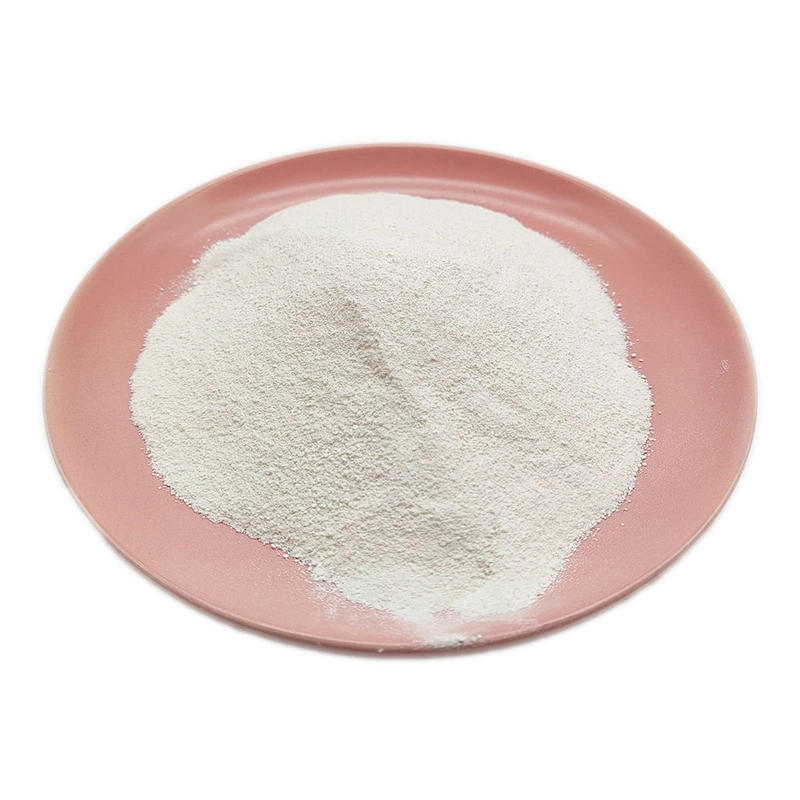
Commonly known as L-ascorbic acid, vitamin C constitutes an essential micronutrient vital for higher primates and select other organisms. While the majority of living species possess the endogenous capacity to synthesize ascorbic acid via metabolic pathways, humans represent a notable exception requiring dietary acquisition. Its most prominent physiological role involves the prevention and treatment of scurvy, a deficiency-induced pathology. Pharmacologically categorized among ascorbate derivatives, vitamin C operates within biological environments as a potent antioxidant, protecting tissues against oxidative stress and cellular injury. Furthermore, it functions as an indispensable co-factor across numerous enzymatic reactions.
| Melting point | 190-194 °C (dec.) |
| alpha | 20.5 º (c=10,H2O) |
| Boiling point | 227.71°C (rough estimate) |
| density | 1,65 g/cm3 |
| FEMA | 2109 | ASCORBIC ACID |
| refractive index | 21 ° (C=10, H2O) |
| storage temp. | Store at +5°C to +30°C. |
| solubility | H2O: 50 mg/mL at 20 °C, clear, nearly colorless |
| form | powder |
| pka | 4.04, 11.7(at 25℃) |
| color | white to slightly yellow |
| PH | 3.59(1 mM solution);3.04(10 mM solution);2.53(100 mM solution); |
| Odor | Odorless |
| PH Range | 1 - 2.5 |
| biological source | synthetic (organic) |
| Odor Type | green |
| optical activity | [α]25/D 19.0 to 23.0°, c = 10% in H2O |
| Water Solubility | 333 g/L (20 ºC) |
| Merck | 14830 |
| BRN | 84272 |
| BCS Class | 1 |
| Stability: | Stable. May be weakly light or air sensitive. Incompatible with oxidizing agents, alkalies, iron, copper. |
| InChIKey | CIWBSHSKHKDKBQ-JLAZNSOCSA-N |
| LogP | -1.85 |
| CAS DataBase Reference | 50-81-7(CAS DataBase Reference) |
| NIST Chemistry Reference | L-Ascorbic acid(50-81-7) |
| EPA Substance Registry System | Ascorbic acid (50-81-7) |
| Absorption | cut-off at 306nm in H2O at 1M |
Safety Information
| Hazard Codes | |
| Risk Statements | |
| Safety Statements | 24/25-36-26 |
| WGK Germany | 1 |
| RTECS | CI7650000 |
| TSCA | Yes |
| HS Code | 29362700 |
| Hazardous Substances Data | 50-81-7(Hazardous Substances Data) |
| Toxicity | LD50 oral in rat: 11900mg/kg |