
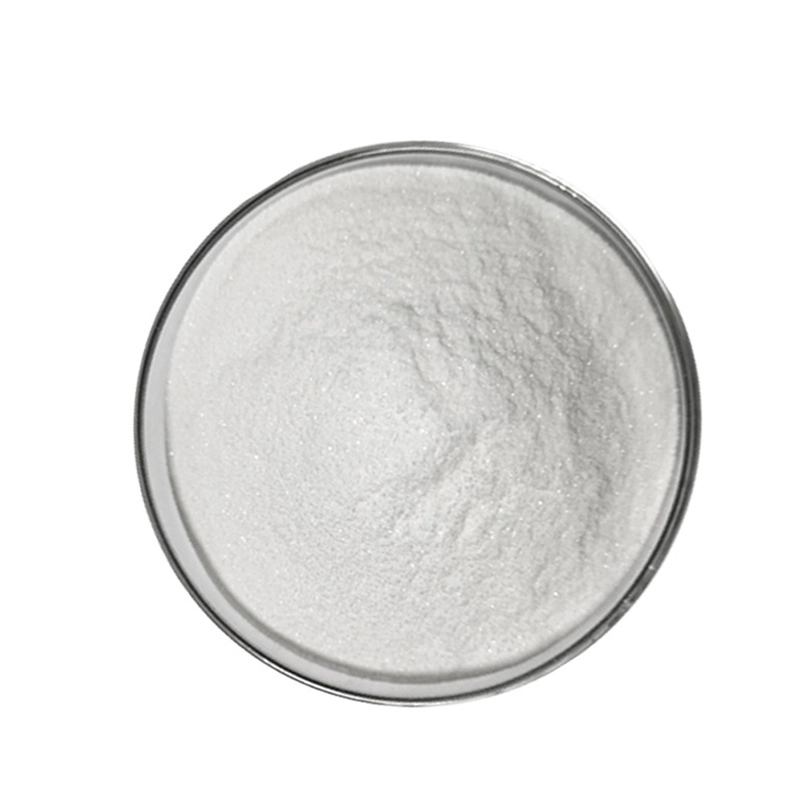
Calcium D-pantothenate—frequently designated as calcium pantothenate or pantothenic acid calcium salt—represents a naturally occurring form of pantothenic acid (Vitamin B5), an essential nutrient widely distributed across dietary sources. Recognized as Generally Recognized as Safe (GRAS) within both European and U.S. regulatory frameworks, it complies with strict safety standards. Furthermore, U.S. FDA mandates require infant formulas to deliver a minimum of 300 micrograms (mcg) of calcium pantothenate per 100 calories of reconstituted product to ensure adequate infant nutrition.

Calcium D-Pantothenate Chemical Properties
| Melting point | 190 °C |
| Alpha | 26.5 º (c=5, in water) |
| Refractive index | 27 ° (C=5, H2O) |
| Fp | 145 °C |
| Storage temp | 2-8°C |
| Solubility | H2O: 50 mg/mL at 25 °C, clear, nearly colorless |
| Form | Powder |
| Color | White or almost white |
| PH | 6.8-7.2 (25℃, 50mg/mL in H2O) |
| Odor | Odorless |
| Biological source | synthetic (organic) |
| Optical Rotation | [α]20/D +27±2°, c = 5% in H2O |
| Water Solubility | Soluble in water |
| Sensitive | Hygroscopic |
| Merck | 14,7015 |
| BRN | 3769272 |
| Stability | Stable, but may be moisture or air sensitive. Incompatible with strong acids, strong bases. |
| InChIKey | FAPWYRCQGJNNSJ-UBKPKTQASA-L |
| LogP | -0.849 (est) |
| CAS DataBase Reference | 137-08-6(CAS DataBase Reference) |
| EPA Substance Registry System | Calcium pantothenate (137-08-6) |
Safety Information
| Hazard Codes | Xn |
| Risk Statements | 20/21/22-37/38-41-48 |
| Safety Statements | 24/25-45-36/37/39-26-22 |
| WGK Germany | 1 |
| RTECS | RU4375000 |
| F | 3-10 |
| TSCA | Yes |
| HS Code | 29362400 |

Dual Research & Therapeutic Utility – Acts as an essential nutrient component within tissue culture media for biochemical research, while clinically serving to manage vitamin B deficiencies, peripheral neuritis, and postoperative abdominal discomfort.
Regulated Dietary Fortification – Extensively utilized as a food fortifying agent, with standard incorporation levels set at 15–28 mg/kg in infant nutritional products and 2–4 mg/kg in functional beverages.