
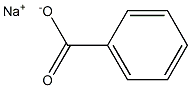
Sodium benzoate CAS#532-32-1Products Description
Historical Background:
In 1870, British scientist H. Fleck documented the antiseptic properties of benzoic acid while investigating alternatives to salicylic acid. His findings demonstrated its potential as an antimicrobial agent. However, due to limited safety data and underdeveloped manufacturing technology at the time, sodium benzoate was not widely adopted for food preservation until the early 20th century. Since then, it has become one of the most commonly used food preservatives worldwide, largely owing to its affordability and effectiveness.
Physical and Chemical Properties:
Sodium benzoate is a widely used preservative in the food industry. It is generally odorless or has a faint aromatic smell and a mildly sweet, astringent taste. The compound is stable when exposed to air and may absorb moisture under humid conditions.
Benzoic acid and related compounds occur naturally in various foods, including blueberries, apples, plums, cranberries, prunes, cinnamon, and cloves. In terms of antimicrobial activity, sodium benzoate is slightly less effective than benzoic acid on an equal-weight basis. Approximately 1.18 g of sodium benzoate provides an inhibitory effect comparable to that of 1 g of benzoic acid.
Antimicrobial Mechanism:
Sodium benzoate is particularly effective in acidic environments, where it helps inhibit the growth of yeasts, molds, and certain bacteria. Its preservative performance depends significantly on the pH of the formulation. For example, a 0.05% sodium benzoate solution at pH 3.5 has been reported to effectively inhibit yeast growth. As the pH rises above 5.5, its antimicrobial activity decreases considerably and becomes very limited under alkaline conditions.
Metabolism and Safety:
After ingestion, sodium benzoate is metabolized in the body primarily through conjugation with glycine to form hippuric acid. Benzoate can also undergo conjugation with glucuronic acid to form related metabolites. These substances are subsequently eliminated through urine.
When used within applicable regulatory limits, sodium benzoate is an established food preservative. Its safety depends on the amount consumed, the intended application, and compliance with relevant food safety regulations. The acceptable daily intake (ADI) cited in the source is less than 5 mg/kg of body weight per day, expressed as benzoic acid equivalents; the applicable current regulatory limit should be verified for the target market.
Food Industry Applications:
Sodium benzoate is widely used to help preserve a variety of acidic foods and beverages. Common applications include carbonated drinks, concentrated fruit juices, margarine, gum base, jams, jellies, soy sauce, and other suitable food products. By inhibiting microbial growth, it helps maintain product quality and extend shelf life when incorporated at appropriate levels.
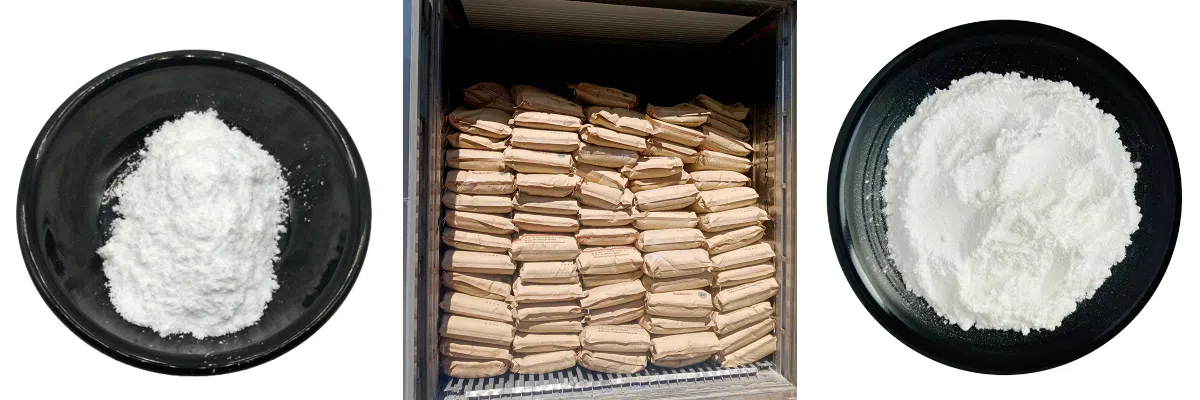
Sodium benzoate CAS#532-32-1 Chemical Properties
| Melting point | >300 °C (lit.) |
| Density | 1,44 g/cm3 |
| Vapor pressure | 0Pa at 20℃ |
| FEMA | 3025 | SODIUM BENZOATE |
| Fp | >100°C |
| Storage temp. | room temp |
| Solubility | H2O: 1 M at 20 °C, clear, colorless |
| Pka | 4.03[at 20 ℃] |
| Form | Crystals, Granules, Flakes or Crystalline Powder |
| Color | White |
| PH | 7.0-8.5 (25℃, 1M in H2O) |
| Odor | odorless |
| Water Solubility | soluble |
| Merck | 14,8582 |
| BRN | 3572467 |
| Stability | Stable, but may be moisture senstive. Incompatible with strong oxidizing agents, alkalis, mineral acids. |
| InChIKey | WXMKPNITSTVMEF-UHFFFAOYSA-M |
| LogP | 1.88 |
| CAS DataBase Reference | 532-32-1(CAS DataBase Reference) |
| NIST Chemistry Reference | Sodium benzoate(532-32-1) |
| EPA Substance Registry System | Sodium benzoate (532-32-1) |
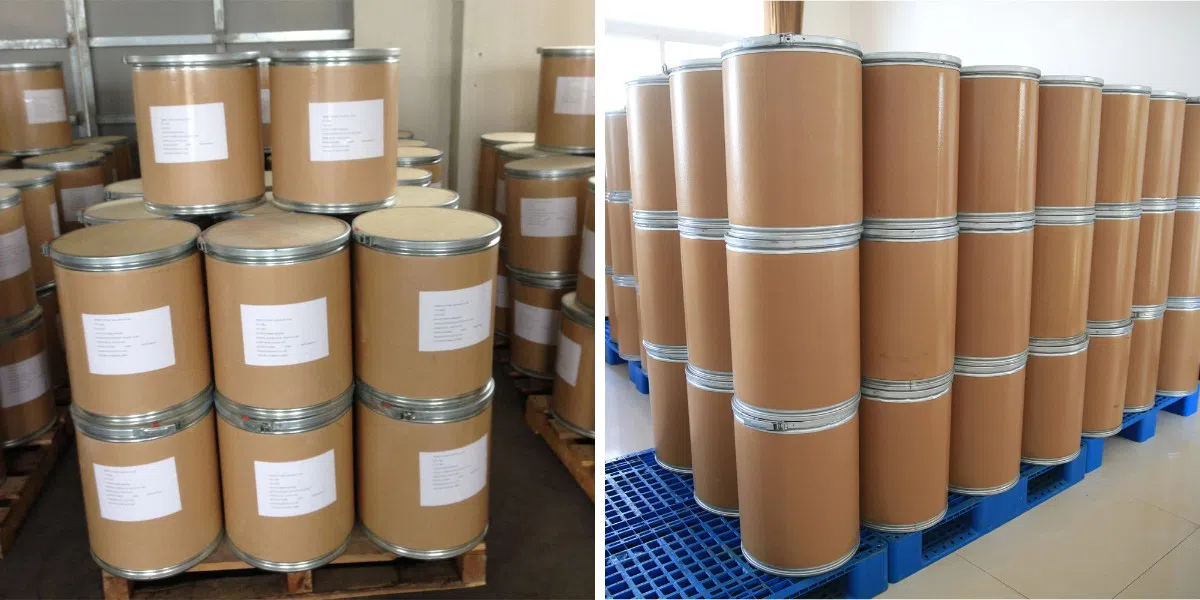
Sodium benzoate CAS#532-32-1Safety Information
| Hazard Codes | Xi |
| Risk Statements | 36/37/38-62-63-68-36 |
| Safety Statements | 24/25-36-26 |
| WGK Germany | 1 |
| RTECS | DH6650000 |
| TSCA | Yes |
| HS Code | 29163100 |
| Hazardous Substances Data | 532-32-1(Hazardous Substances Data) |
| Toxicity | LD50 orally in rats: 4.07 g/kg (Smyth, Carpenter) |
Sodium benzoate CAS#532-32-1 Product Application
Food Preservation:
Sodium benzoate is a widely used preservative that inhibits bacterial and fungal growth under acidic conditions. It is commonly added to acidic food and beverage products, including salad dressings containing vinegar, carbonated beverages containing carbonic acid, jams, fruit juices containing citric acid, pickles, and various condiments. In the food industry, it is identified by the additive code E211.
Pharmaceutical and Cosmetic Applications:
Sodium benzoate is also used as a preservative in selected pharmaceutical and cosmetic formulations, helping maintain product quality and stability by limiting microbial growth.
Other Industrial Applications:
Sodium benzoate has also been used in specialized pyrotechnic formulations, including whistle compositions that produce a whistling sound when ignited. Such applications involve significant fire and explosion hazards and require specialized industrial controls. Its use in these formulations is distinct from its role as a preservative in food, pharmaceutical, and cosmetic products.


