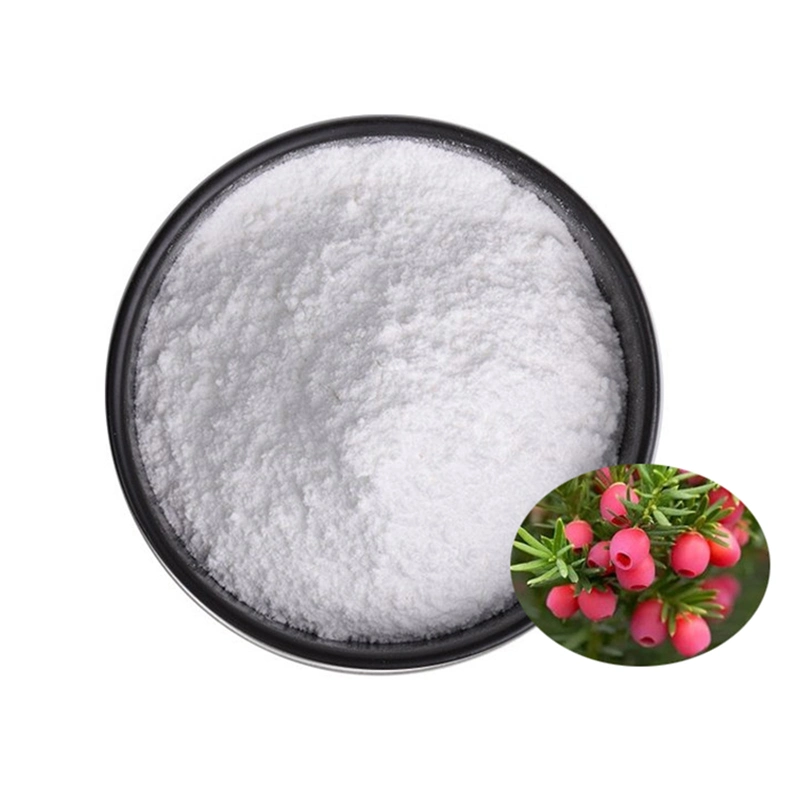
Derived as a diterpenoid monomer extracted from the bark of Taxus species, paclitaxel functions as a structurally complex secondary metabolite representing the sole known therapeutic agent capable of concurrently driving microtubule polymerization and stabilizing the resulting polymeric structures. Furthermore, isotopic labeling investigations confirm that paclitaxel selectively associates with polymerized microtubules while exhibiting no affinity for unpolymerized free tubulin dimers.
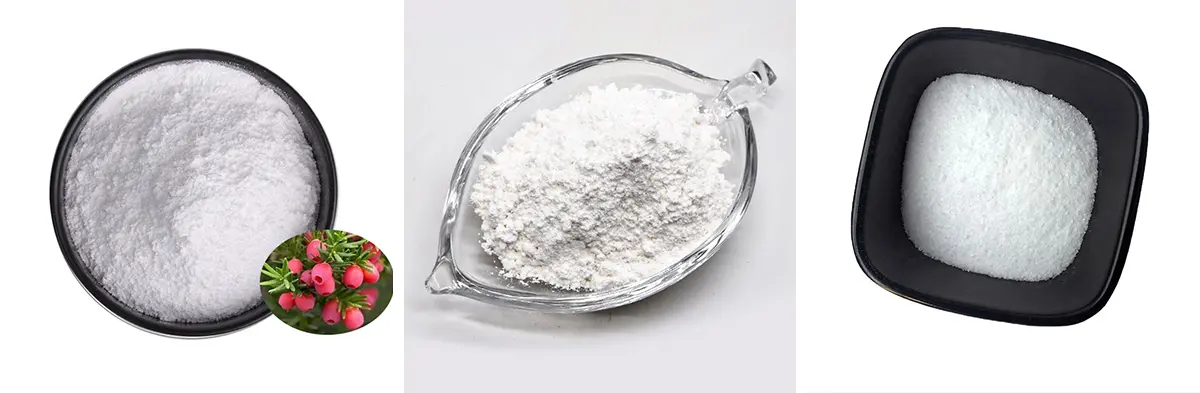 Cellular exposure to paclitaxel triggers substantial intracellular accumulation of microtubules, which critically impairs diverse physiological cellular processes—most notably halting cell cycle progression during the mitotic phase to successfully inhibit standard cell division. Furthermore, comprehensive Phase II and Phase III clinical evaluations have confirmed its primary therapeutic efficacy in treating ovarian and breast carcinomas, while also displaying verified antineoplastic activity across an array of other malignancies, including non-small cell lung cancer, colorectal carcinoma, melanoma, head and neck malignancies, lymphomas, and gliomas.
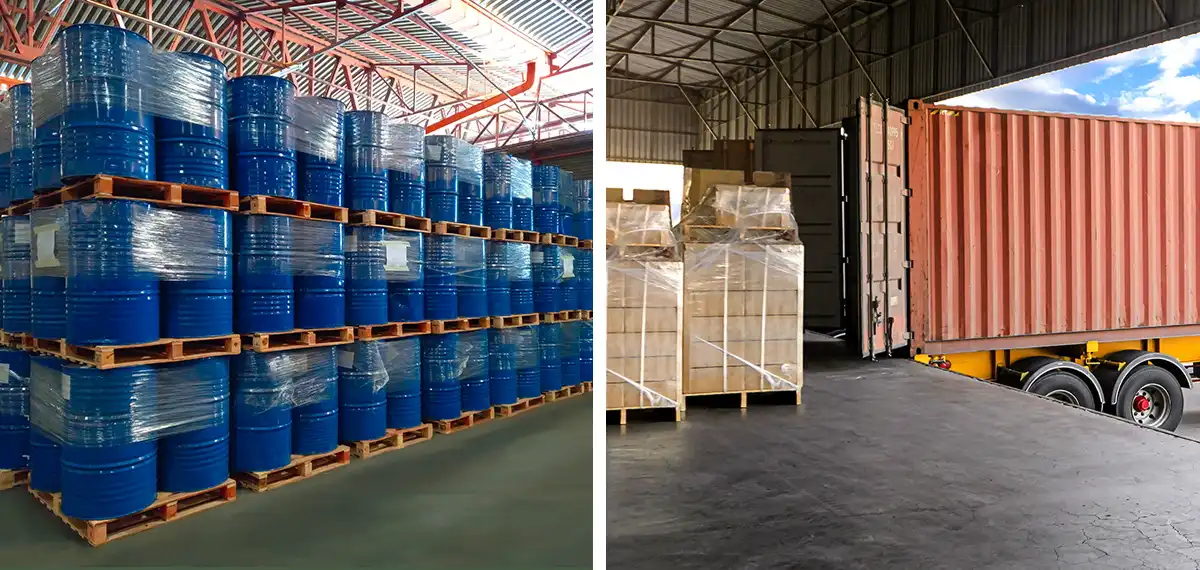
Parameters
| Melting point | 213 °C (dec.)(lit.) |
| alpha | D20 -49° (methanol) |
| Boiling point | 774.66°C (rough estimate) |
| density | 0.2 |
| refractive index | -49 ° (C=1, MeOH) |
| Fp | 9℃ |
| storage temp. | 2-8°C |
| solubility | methanol: 50 mg/mL, clear, colorless |
| form | powder |
| pka | 11.90±0.20(Predicted) |
| color | white |
| Water Solubility | 0.3mg/L(37 ºC) |
| λmax | 227nm(MeOH)(lit.) |
| Merck | 146982 |
| BRN | 1420457 |
| Stability: | Stable. Incompatible with strong oxidizing agents. Combustible. |
| InChIKey | RCINICONZNJXQF-MZXODVADSA-N |
| LogP | 3.950 (est) |
| CAS DataBase Reference | 33069-62-4(CAS DataBase Reference) |
| EPA Substance Registry System | Paclitaxel (33069-62-4) |
Safety Information
| Hazard Codes | Xn |
| Risk Statements | 37/38-41-42/43-62-68-40-48-20/21/22-68/20/21/22 |
| Safety Statements | 22-26-36/37/39-45 |
| RIDADR | 1544 |
| WGK Germany | 3 |
| RTECS | DA8340700 |
| F | 45951 |
| HazardClass | 6.1(b) |
| PackingGroup | III |
| HS Code | 29329990 |
| Hazardous Substances Data | 33069-62-4(Hazardous Substances Data) |
| Toxicity | LD50 intraperitoneal in mouse: 128mg/kg |