1-Methoxy-2-propyl Acetate CAS#108-65-6 Product Description
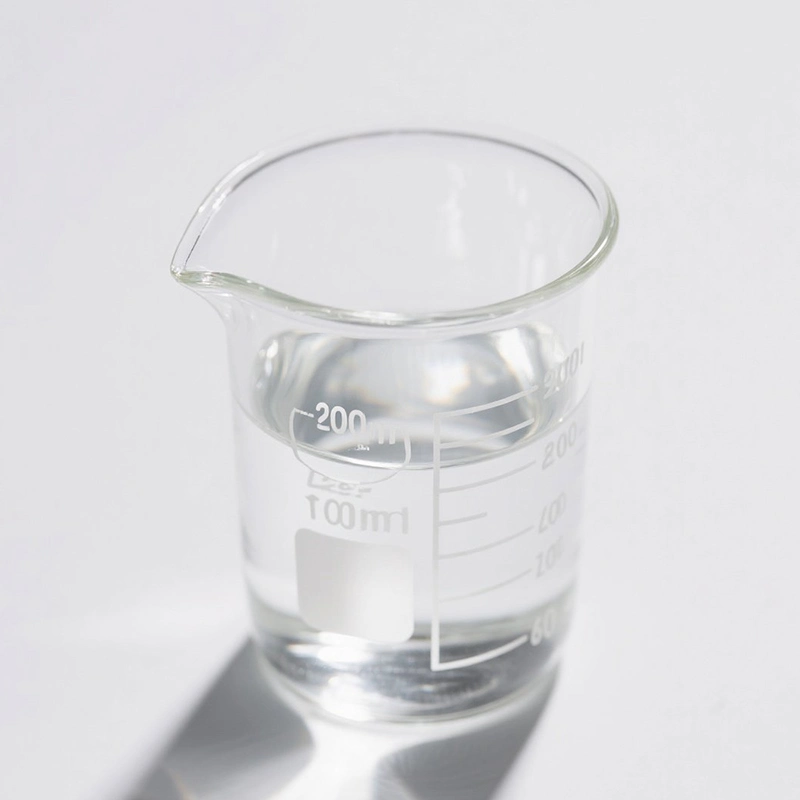
Propylene glycol methyl ether acetate (PGMEA), also known as propylene glycol monomethyl ether acetate, is an organic solvent with the molecular formula C₆H₁₂O₃. It typically appears as a clear, colorless liquid with a characteristic mild odor and hygroscopic properties. Featuring multiple functional groups within its molecular structure, PGMEA offers favorable solvency and compatibility characteristics, making it a versatile solvent for a wide range of industrial applications. It is commonly regarded as a relatively low-pollution solvent compared with certain traditional solvent alternatives.
PGMEA is primarily used as a solvent in the formulation and manufacturing of printing inks, paints, industrial coatings, textile dyes, and textile processing oils. Its good dissolving capacity and formulation compatibility make it suitable for applications requiring consistent solvent performance and uniform product properties. In the electronics industry, it is also widely used as a cleaning and processing solvent in liquid crystal display (LCD) manufacturing, where it helps remove residual organic materials and other contaminants during specific production stages.
Despite its favorable solvent properties, PGMEA is a flammable liquid and requires appropriate storage, handling, and ventilation measures. Its vapor can form flammable or explosive mixtures with air when exposed to ignition sources, particularly at temperatures above its flash point, which is approximately 42°C for certain grades and test conditions. Proper fire prevention measures and suitable industrial safety procedures are therefore essential during its use and transportation.
1-Methoxy-2-propyl Acetate CAS#108-65-6 Chemical Properties
| Melting point | -87 °C |
| Boiling point | 145-146 °C(lit.) |
| Density | 0.970 g/mL at 25 °C(lit.) |
| Vapor pressure | 3.7 mm Hg ( 20 °C) |
| Refractive index | n20/D 1.402 |
| Fp | 110 °F |
| Storage temp | Store below +30°C. |
| Solubility | water: soluble198g/L at 20°C |
| Form | Liquid |
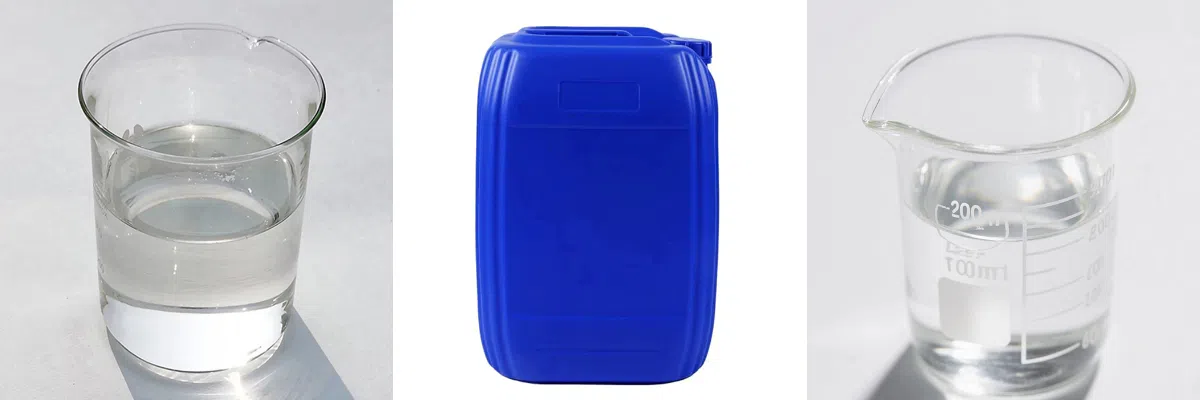
| Color | Clear colorless |
| PH | 4 (200g/l, H2O, 20℃) |
| Odor | mild fruity odor |
| Explosive limit | 1.5%(V) |
| Water Solubility | 19.8 g/L (25 ºC) |
| BRN | 1751656 |
| Stability | Stable. Flammable. Incompatible with strong oxidizing agents, acids, bases. |
| InChIKey | LLHKCFNBLRBOGN-UHFFFAOYSA-N |
| LogP | 1.2 at 20℃ |
| CAS DataBase Reference | 108-65-6(CAS DataBase Reference) |
| NIST Chemistry Reference | 1-Methoxy-2-propyl acetate(108-65-6) |
| EPA Substance Registry System | 1-Methoxy-2-propyl acetate (108-65-6) |
1-Methoxy-2-propyl Acetate CAS#108-65-6 Safety Information
| Hazard Codes | T,Xi |
| Risk Statements | 61-10-36 |
| Safety Statements | 53-25-45 |
| RIDADR | UN 3271 3/PG 3 |
| WGK Germany | 3 |
| RTECS | AI8925000 |
| Autoignition Temperature | 669 °F |
| TSCA | Yes |
| HazardClass | 3 |
| PackingGroup | III |
| HS Code | 29153990 |
| Hazardous Substances Data | 108-65-6(Hazardous Substances Data) |
1-Methoxy-2-propyl Acetate CAS#108-65-6 Product Application
Propylene glycol methyl ether acetate (PGMEA) is a high-performance industrial solvent widely used in the formulation and production of printing inks, paints, coatings, textile dyes, and textile processing oils. It also serves as an effective cleaning agent in the manufacturing of liquid crystal displays (LCDs), where its excellent solvency helps remove organic residues and contaminants during precision processing.
As a high-grade industrial solvent with relatively low toxicity under appropriate handling conditions, PGMEA offers excellent dissolving power and broad material compatibility. Its ability to dissolve both polar and non-polar substances makes it particularly suitable for high-performance coating and ink formulations. It demonstrates good solvency for a wide range of polymeric materials and resins, including polyurethane, vinyl polymers, polyester, cellulose acetate, alkyd resins, acrylic resins, epoxy resins, and nitrocellulose.
Furthermore, PGMEA is widely recognized as an effective solvent for specialized coatings and printing ink systems due to its favorable compatibility with unsaturated polyester, polyurethane, acrylic, and epoxy resins. Its versatile solvent properties contribute to improved formulation stability, uniformity, and processing performance, making it an important raw material in the coatings, printing, textile, and electronics industries.