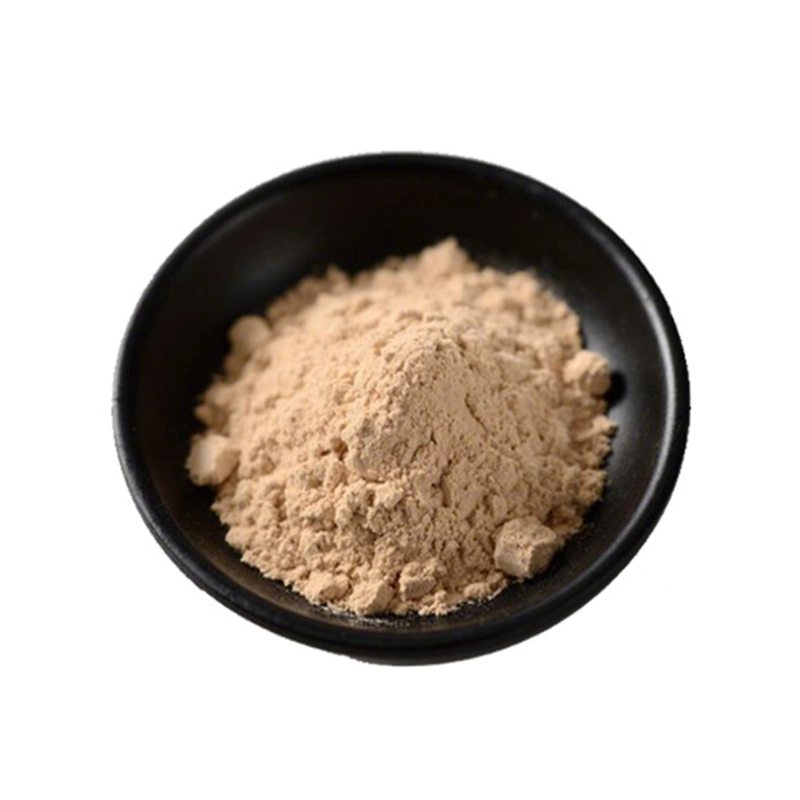
Phytase is a microbial- or plant-derived phosphate monoester hydrolase that catalyzes the breakdown of phytic acid into bioavailable orthophosphate and lower inositol derivatives. By hydrolyzing phytate complexes within the gastrointestinal tract, it liberates key bound minerals—such as calcium and zinc—making them readily absorbable for livestock. Consequently, incorporating phytase into monogastric animal diets (e.g., swine and poultry) enhances dietary phosphorus bioavailability and drives overall growth performance. This enzymatic action allows producers to lower inorganic phosphorus supplementation, thereby decreasing fecal phosphorus discharge and minimizing environmental impact. The standard recommended inclusion rate in feed formulations is 150 g/t. Overall, phytase serves as a targeted phosphatase that degrades plant-bound phytic acid (inositol hexaphosphate) into digestible inositol and inorganic phosphate.
| Density | 1.33-1.42g/cm3 at 20℃ |
| Storage Conditions | -20℃ |
| LogP | -3.1--2.95 at 25℃ |
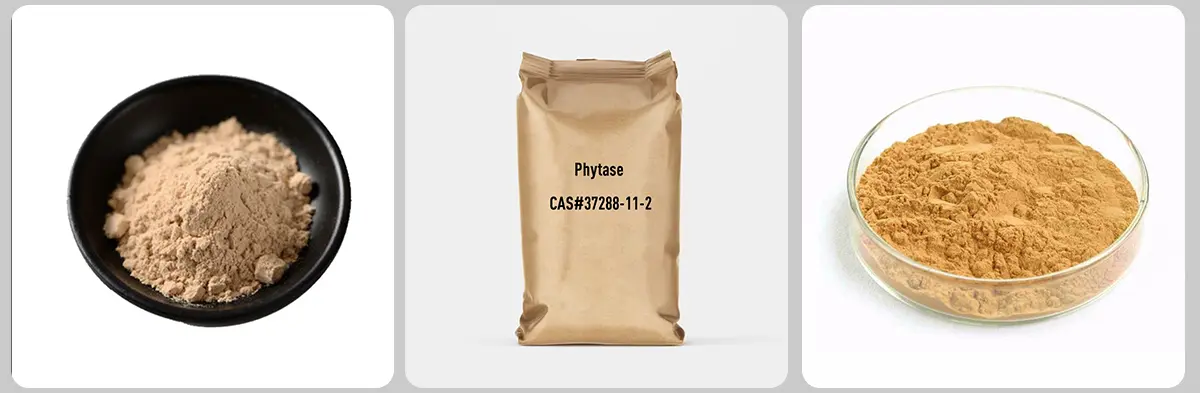
| English Name | Phytase |
| English Synonyms | PHYTASE;PHYTASE DS;PHYTATE 6-PHOSPHATASE;MYO-INOSITOLHEXAKISPHOSPHATE 3-PHOSPHOHYDRO LASE;MYO-INOSITOL-HEXAKISPHOSPHATE 6-PHOSPHOHYDROLASE;EC 3.1.3.8;EC 3.1.3.26;6-PHYTASE |
| CAS Number | 37288-11-2 |
| Molecular Weight | 0 |
| EINECS Number | 609-386-0 |

Naturally occurring phytases are broadly classified into two distinct types: one originating from plants, fungi, and bacteria, and the other specific to plant seeds. Their catalytic efficiency is governed by environmental variables including pH, moisture levels, temperature, and exposure time. Among microbial sources, the phytase produced by strain NRRL 3135 (from Aspergillus ficuum, the fig mold) is currently the most widely commercialized, exhibiting dual pH optima at 2.5 and 5.5. When incorporated into poultry diets, it boosts plant-derived phosphorus bioavailability by up to 60%, alleviates the anti-nutritional impact of phytic acid, lowers feed formulation overhead, and reduces environmental phosphorus runoff.