Product Description
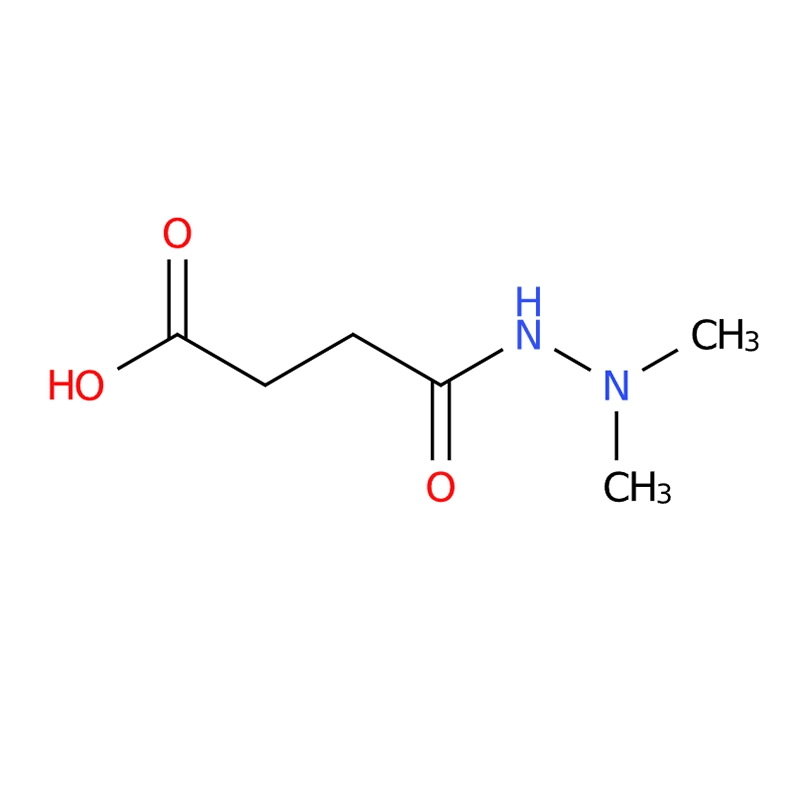
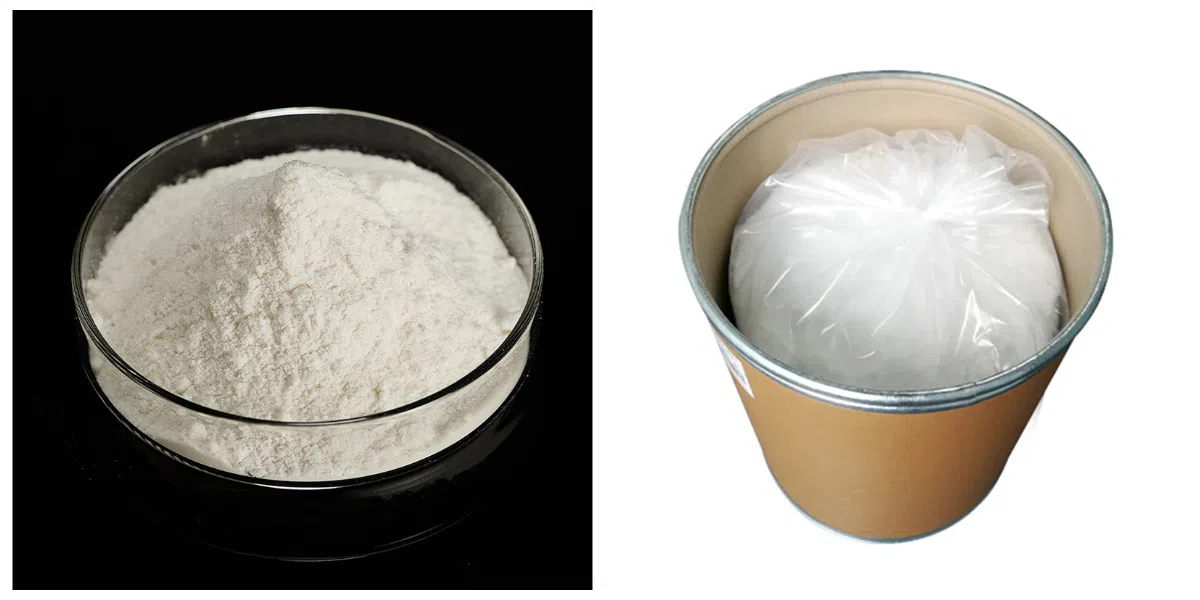
Daminozide (also known as B9, CAS 1596-84-5) is a systemic plant growth retardant. It appears as white crystalline powder and works by suppressing gibberellin biosynthesis inside plants. After foliar application, it is absorbed and translocated to growing points. It restrains excessive vegetative growth without blocking flowering and fruiting. Our supply covers 99% technical material and 85% soluble powder. It features stable efficacy, good water solubility and flexible dosage. Please note this product is classified as 6.1 toxic solid and local pesticide registration is mandatory before commercial use in target countries.
Chemical Properties
| Melting point | 162-164 °C(lit.) |
| Boiling point | 286.06°C (rough estimate) |
| density | 1.2751 (rough estimate) |
| refractive index | 1.4500 (estimate) |
| storage temp. | Keep in dark place,Inert atmosphere,Store in freezer, under -20°C |
| solubility | Soluble in DMSO (up to 50 mg/ml), or in Water (up to 20 mg/ml with warming). |
| pka | 5.59±0.10(Predicted) |
| form | White powder |
| color | White crystalline |
| Water Solubility | 100 g/L |
| Merck | 14,2810 |
| BRN | 1863230 |
| Stability: | Stable. Combustible. Incompatible with strong oxidizing agents, strong bases, strong acids, wetting agents, oils, copper-containing compounds. |
| InChIKey | NOQGZXFMHARMLW-UHFFFAOYSA-N |
| CAS DataBase Reference | 1596-84-5(CAS DataBase Reference) |
| NIST Chemistry Reference | Butanedioic acid, mono(2,2-dimethylhydrazide)(1596-84-5) |
| EPA Substance Registry System | Daminozide (1596-84-5) |
Safety Information
| Hazard Codes | Xn |
| Risk Statements | 40 |
| Safety Statements | 36/37-24/25 |
| RIDADR | UN2811 (toxic solid, organic, n.o.s.) |
| WGK Germany | 2 |
| RTECS | WM9625000 |
| HS Code | 29280000 |
| Hazardous Substances Data | 1596-84-5(Hazardous Substances Data) |
Product Application
Daminozide is widely applied in horticulture and fruit planting. For ornamentals such as chrysanthemum, poinsettia, hydrangea and azalea, it controls plant height to form neat, compact potted commodities. For fruit trees including grape, cherry and pear, it curbs new shoot overgrowth, boosts fruit set, improves fruit color and prevents pre-harvest fruit drop. It is also used on potato and strawberry to restrain overground luxuriant growth and expand underground tubers. It is mainly delivered by foliar spraying in greenhouses and open orchards.