Products Description
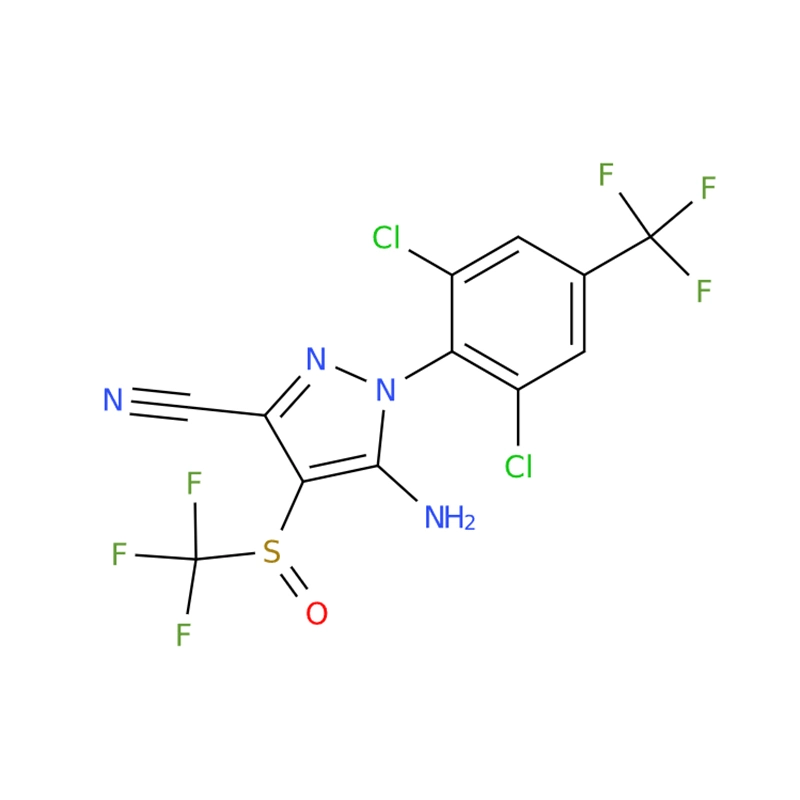
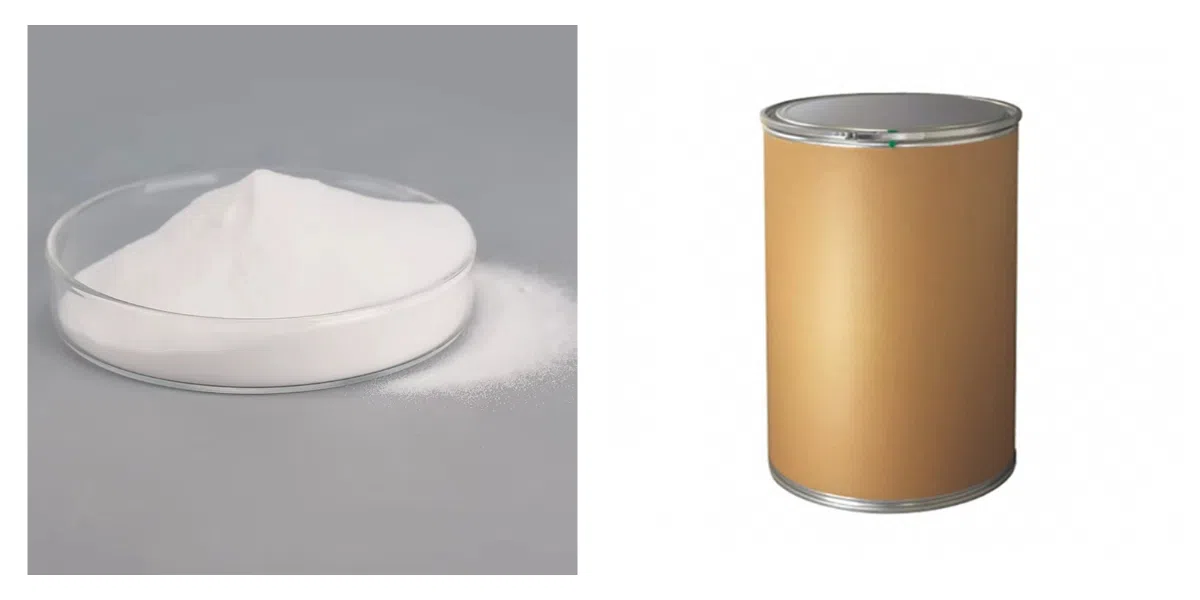
Fipronil (CAS# 120068-37-3) is a white crystalline-powder technical material with a characteristic mouldy odour. It is extremely poorly soluble in water (only 1.9-2.4 mg/L at 20°C) and acts as a slow-acting stomach-and-contact poison that disrupts insect nervous systems by blocking GABA-gated chloride channels. Fipronil binds strongly to soil particles and shows very low mobility, with extremely limited risk of leaching to groundwater. Under surface-soil photolysis conditions, the parent fipronil exhibits a half-life of 34 days, while its major aerobic metabolite fipronil-sulphone demonstrates much higher environmental persistence. As a broad-spectrum insecticide belonging to the phenylpyrazole chemical class, it delivers long-lasting residual control against thrips, rootworms, borers and other pests across maize, cotton, rice and multiple other crops.
Chemical Properties
| Melting point | 200-201°C |
| Boiling point | 510.1±50.0 °C(Predicted) |
| density | 1.477-1.626 |
| vapor pressure | 3.7×10⁻⁷ Pa (25 °C) |
| storage temp. | Keep in dark place,Sealed in dry,2-8°C |
| solubility | DMSO: 250 mg/mL (571.89 mM) |
| pka | -5.86±0.20(Predicted) |
| form | Solid |
| Water Solubility | 1.9-2.4 mg 1l-1 (20 °C) |
| color | White to Light yellow |
| λmax | 208nm(H2O)(lit.) |
| Merck | 14,4085 |
| BRN | 8090115 |
| LogP | 4.000 |
| CAS DataBase Reference | 120068-37-3(CAS DataBase Reference) |
| EPA Substance Registry System | Fipronil (120068-37-3) |
Safety Information
| Hazard Codes | T,N |
| Risk Statements | 23/24/25-48/25-50/53-55-57-36 |
| Safety Statements | 26-36/37/39-45-60-61-36/37-28 |
| RIDADR | 2588 |
| WGK Germany | 3 |
| RTECS | UQ4430250 |
| HazardClass | 6.1(b) |
| PackingGroup | III |
| HS Code | 29331990 |
| Hazardous Substances Data | 120068-37-3(Hazardous Substances Data) |
| Toxicity | LD50 in rats (mg/kg): 100 orally; >2000 dermally (Colliot); in mice (mg/kg): 32 i.p. (Cole) |
Product Application
Fipronil (CAS No.: 120068-37-3) is a highly active broad-spectrum insecticide belonging to the phenylpyrazole chemical class, delivering reliable pest control performance across agricultural, public health and animal husbandry scenarios.
It exerts potent stomach poisoning and contact killing effects, effectively suppressing a wide range of pests including Lepidoptera larvae, Coleoptera adults and larvae, thrips, planthoppers and leafhoppers on rice, cotton, vegetables, fruit trees and other major crops. It works by selectively blocking the insect-specific GABA-gated chloride channels, disrupting the normal nerve signal transmission of pests, leading to rapid paralysis and death.
Beyond agricultural use, it is widely formulated into household insecticides, public health disinfection products and veterinary topical preparations. It can efficiently control common sanitary pests such as cockroaches, ants, fleas and termites in homes, hospitals, hotels and public transport facilities, and is also safe for use in the livestock and pet industry to eliminate external parasites including ticks, mites and lice on dogs, cats, cattle and poultry.
Its unique selective toxicity ensures far higher lethality to target invertebrates than to humans and mammals, making it a trusted choice for professional pest control operations.