
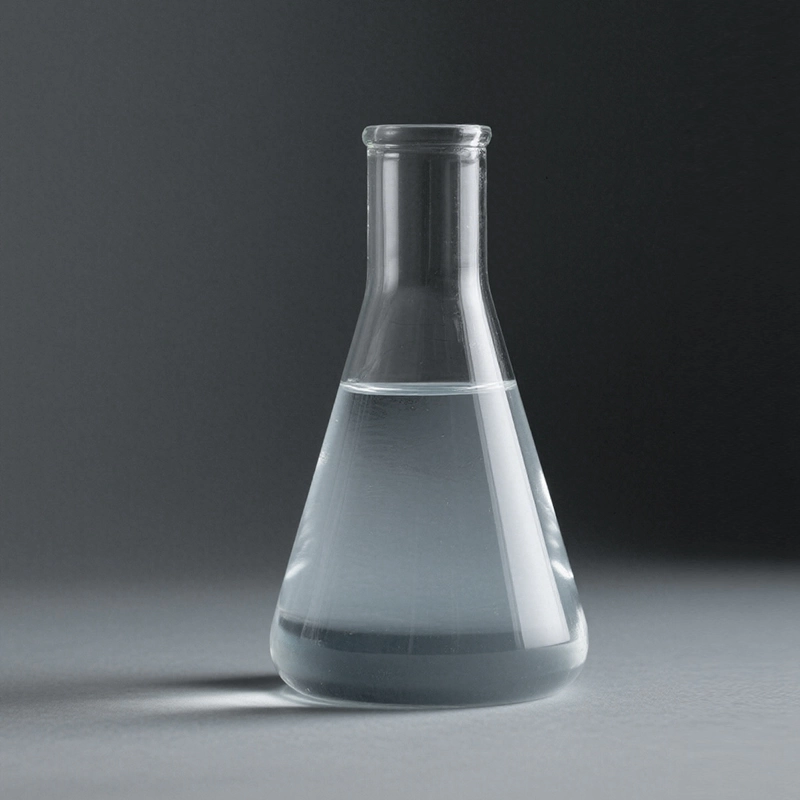
Boron tribromide CAS#10294-33-4
Boron tribromide is an inorganic compound, appearing as a colorless liquid at room temperature. It reacts with moisture in the air upon exposure, generating fumes, boric acid and hydrogen bromide.
It is synthesized by heating boron trioxide, carbon and bromine. In this reaction, elemental boron is formed first, which then reacts directly with bromine to yield boron tribromide.
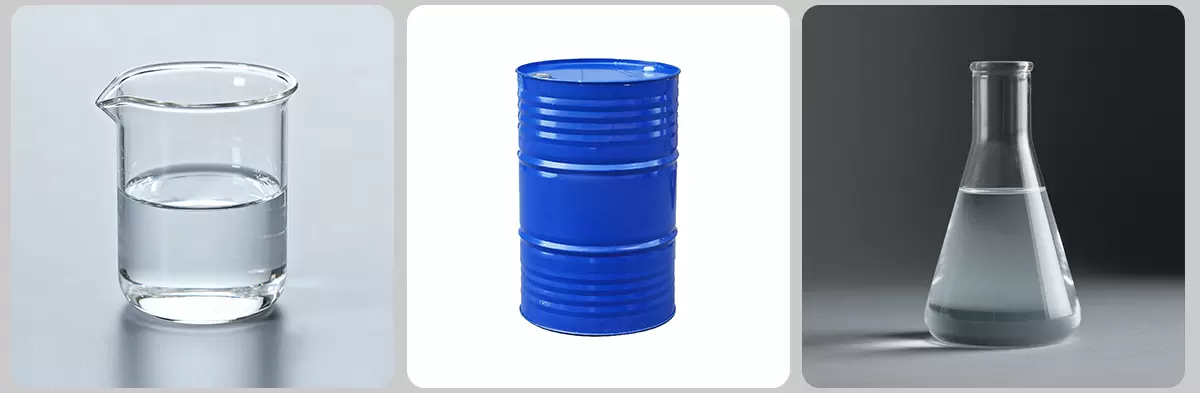
Boron tribromide Chemical Properties
| Melting point | −46 °C(lit.) |
| Boiling point | ~90 °C |
| density | 2.60 g/mL at 20 °C(lit.) |
| vapor density | 8.6 (vs air) |
| vapor pressure | 40 mm Hg ( 14 °C) |
| Fp | 30 °F |
| refractive index | 1.434 |
| storage temp. | Poison room |
| solubility | Miscible with ethanol and carbon tetrachloride. |
| form | Solution |
| Specific Gravity | 2.65 |
| color | colorless |
| Water Solubility | Reacts with water. |
| Sensitive | Moisture Sensitive |
| Merck | 141347 |
| Dielectric constant | 2.6(0℃) |
| Stability: | Stable, but reacts violently with water. |
| InChIKey | ILAHWRKJUDSMFH-UHFFFAOYSA-N |
| CAS DataBase Reference | 10294-33-4(CAS DataBase Reference) |
| EPA Substance Registry System | Boron tribromide (10294-33-4) |
| Hazard Codes | T+,C,F,N |
| Risk Statements | 14-26/28-35-40-62-11-67-65-50/53-37-51/53-48/20 |
| Safety Statements | 9-26-28-36/37/39-45-23-33-16-62-61-60 |
| RIDADR | UN 3390 6.1/PG 1 |
| OEL | Ceiling: 1 ppm (10 mg/m3) |
| WGK Germany | 3 |
| RTECS | ED7400000 |
| F | 46316 |
| TSCA | Yes |
| HazardClass | 8 |
| PackingGroup | I |
| HS Code | 28129090 |
| Hazardous Substances Data | 10294-33-4(Hazardous Substances Data) |
Product Application of Boron Tribromide CAS#10294-33-4
Natural alkali is mainly adopted as feedstock for producing soda ash, caustic soda, baking soda and other derivative products.
Soda ash serves as a vital industrial raw material. It is widely applied in glass manufacturing, chemical processing, light industry, textile production, printing and dyeing, metallurgy, petroleum refining, pharmaceutical manufacturing and food processing sectors.
Caustic soda is primarily used to produce man‑made fibers, paper, dyestuffs, soap and plastics. It also finds broad usage within pharmaceutical and agrochemical industries.
Baking soda has versatile applications covering food processing, plastics, rubber, pharmaceuticals, printing and dyeing, leather tanning, and seed soaking treatment for agriculture.


