Products Description
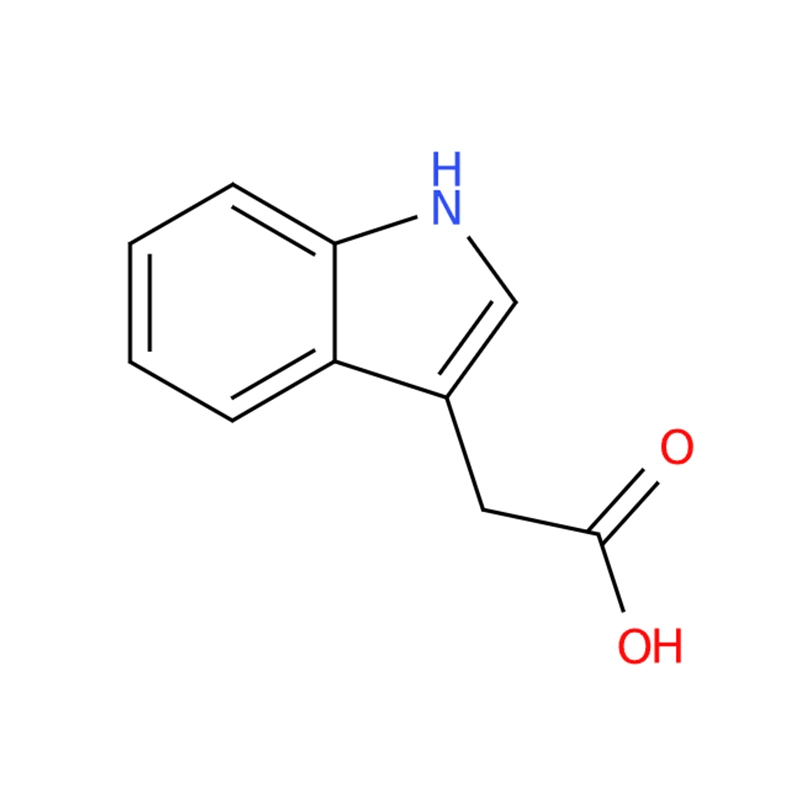
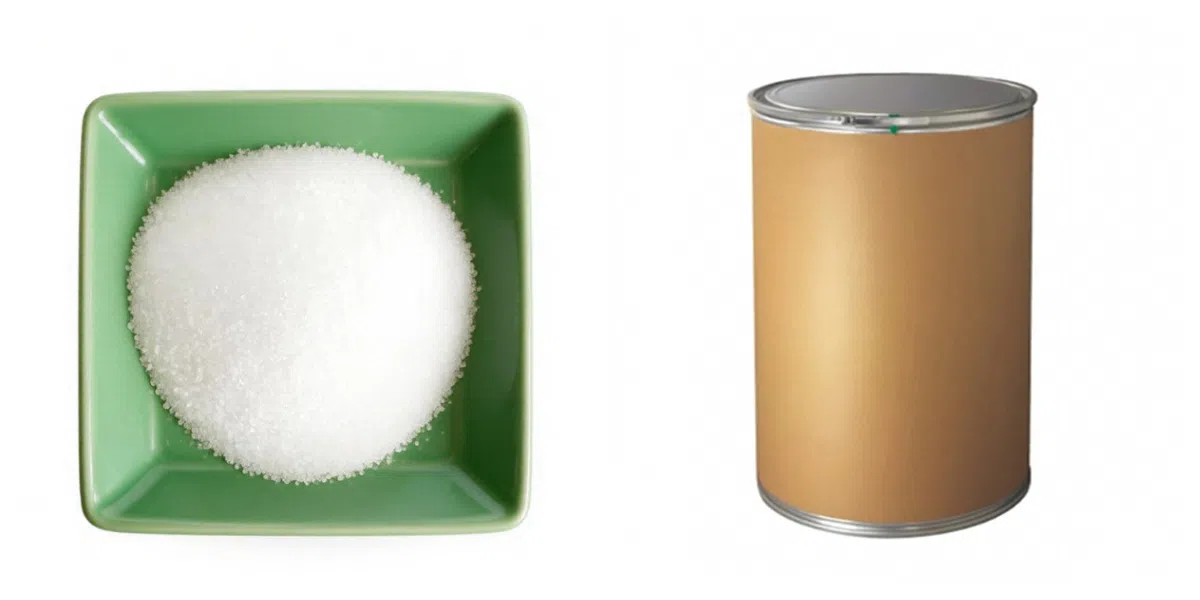
Indole-3-acetic acid, short as IAA, CAS 87-51-4, is a natural auxin, appearing as white or pale yellow crystalline powder. It is slightly soluble in water and readily soluble in ethanol and acetone. As a native plant hormone, it regulates multiple growth processes. Our main specification is 99% technical grade. It is sensitive to strong light and needs shaded sealed storage. It is widely used in agriculture, horticulture and tissue culture. We can provide COA, SDS and complete export documents for global customers, and support small trial orders for formula evaluation.
Parameters
| Melting point | 165-169 °C (lit.) |
| Boiling point | 306.47°C (rough estimate) |
| density | 1.1999 (rough estimate) |
| bulk density | 620kg/m3 |
| refractive index | 1.5460 (estimate) |
| Fp | 171°C |
| storage temp. | -20°C |
| solubility | DMSO:30.0(Max Conc. mg/mL);171.25(Max Conc. mM) |
| pka | 4.75(at 25℃) |
| form | crystalline |
| color | off-white to tan |
| Water Solubility | Soluble in ethanol (50 mg/ml), methanol, DMSO, and chloroform (sparingly). Insoluble in water. |
| Decomposition | 167 ºC |
| Sensitive | Light Sensitive |
| Merck | 14,4964 |
| BRN | 143358 |
| Stability: | Stable. Incompatible with strong oxidizing agents. Light sensitive. |
| LogP | 1.410 |
| CAS DataBase Reference | 87-51-4(CAS DataBase Reference) |
| NIST Chemistry Reference | Indole-3-acetic acid(87-51-4) |
| EPA Substance Registry System | Indole-3-acetic acid (87-51-4) |
Safety Information
| Hazard Codes | Xi |
| Risk Statements | 36/37/38 |
| Safety Statements | 22-24/25 |
| WGK Germany | 3 |
| RTECS | NL3150000 |
| F | 8-10-23 |
| Hazard Note | Irritant |
| TSCA | Yes |
| HS Code | 29339990 |
| Toxicity | LD50 intraperitoneal in mouse: 150mg/kg |
Product Application
IAA is widely used in plant tissue culture, cutting rooting, seed soaking and fruit retention. It stimulates root growth of vegetables, fruit trees, flowers and forest seedlings, increases survival rate of transplanting. It helps prevent blossom and fruit drop, promotes fruit development. It is popular in greenhouses, nurseries, tissue culture labs and agrochemical formulation factories. It is often compounded with IBA and NAA to achieve better rooting and growth regulation effects for different crops.