Products Description
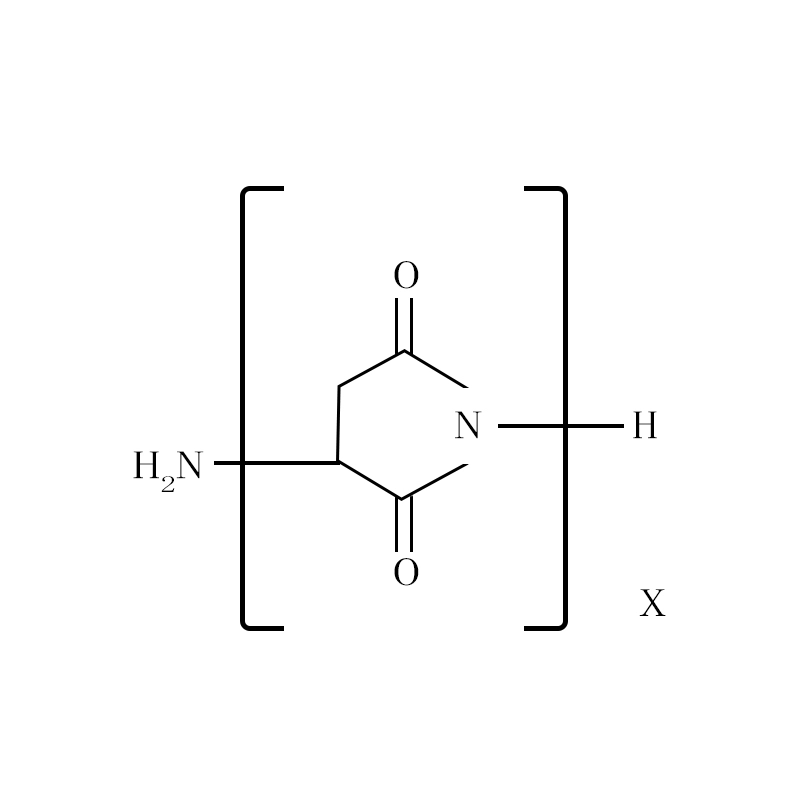
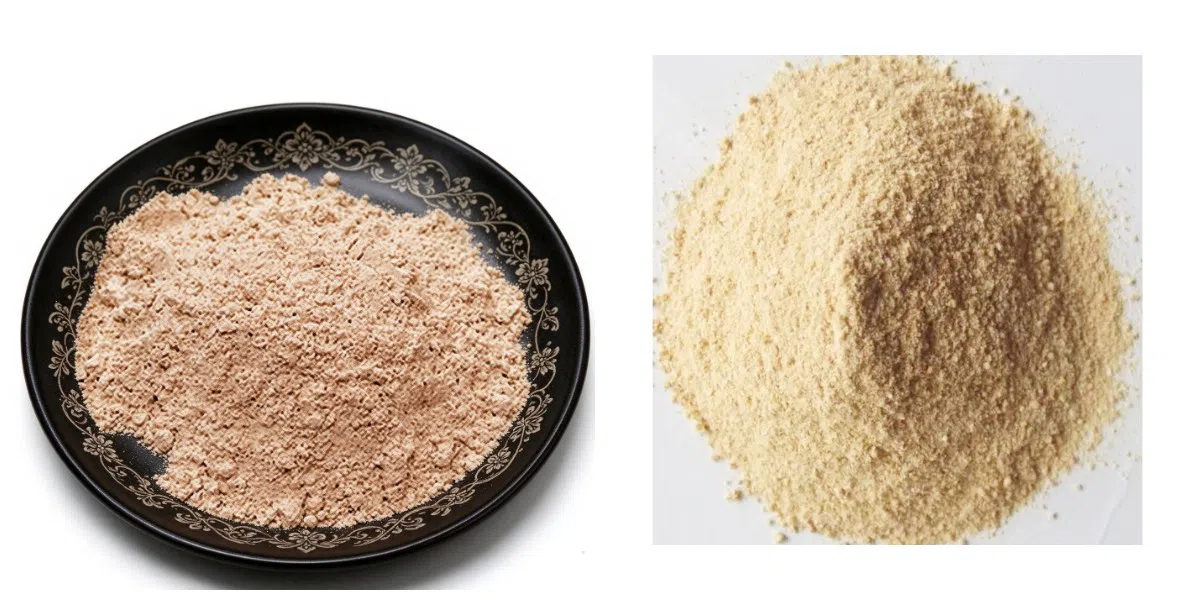
Polysuccinimide (CAS Registry Number: 5608-40-6) is a typical synthetic polyimide derivative that usually presents as a fine white to pale off-white powder at room temperature. Its molecular structure contains a large number of cyclic imide units, which endow the polymer with strong intermolecular hydrogen bonding and chain stacking effect. This structural feature directly leads to its significant solubility difference: it is almost completely insoluble in conventional low-polar and medium-polar solvents including water, ethanol, acetone, ethyl acetate and ether. However, in high-polar aprotic solvents with strong dissolution capacity, such as dimethyl sulfoxide (DMSO) and N-methylpyrrolidone (NMP), the polymer can undergo partial chain unwinding to form a uniform turbid dispersion, and the remaining undissolved part will form a highly elastic swelling gel after fully absorbing the solvent. This unique solubility characteristic also makes it a key intermediate for the preparation of modified polyaspartic acid, which can carry out ring-opening grafting reaction in the above semi-dissolved system.
Parameters
| Items | Details |
|---|---|
| Chemical Name | Polysuccinimide |
| CAS Number | 5608 - 40 - 6 |
| Molecular Weight | Usually ranging from several thousand to several hundred thousand, depending on the degree of polymerization |
| Appearance | Generally white or off - white powder - like solid |
| Solubility | Insoluble in common organic solvents such as water, ethanol, and acetone. Partially soluble or swellable in some polar solvents like dimethyl sulfoxide (DMSO) and N - methylpyrrolidone (NMP) |
| Stability | Exhibits good thermal stability and remains stable within a certain temperature range. However, it may undergo degradation or hydrolysis under high - temperature, strong - acid, or strong - alkali conditions |
| Production Method | Usually synthesized by the polymerization of aspartic acid at high temperatures in the presence of a dehydrating agent. |
Product Application
It is mainly used as the raw intermediate to synthesize polyaspartic acid for water treatment, applied in circulating cooling water, boiler water, oilfield reinjection water and seawater desalination for scale inhibition and metal chelation. In agriculture, it is made into slow-release fertilizer additives to improve nutrient uptake and soil water retention. It can be modified as sustained-release carrier for pesticides and medicines. It also works as raw material for degradable polymer and functional chelating additives for detergent and industrial cleaning formulations.