
Products Description
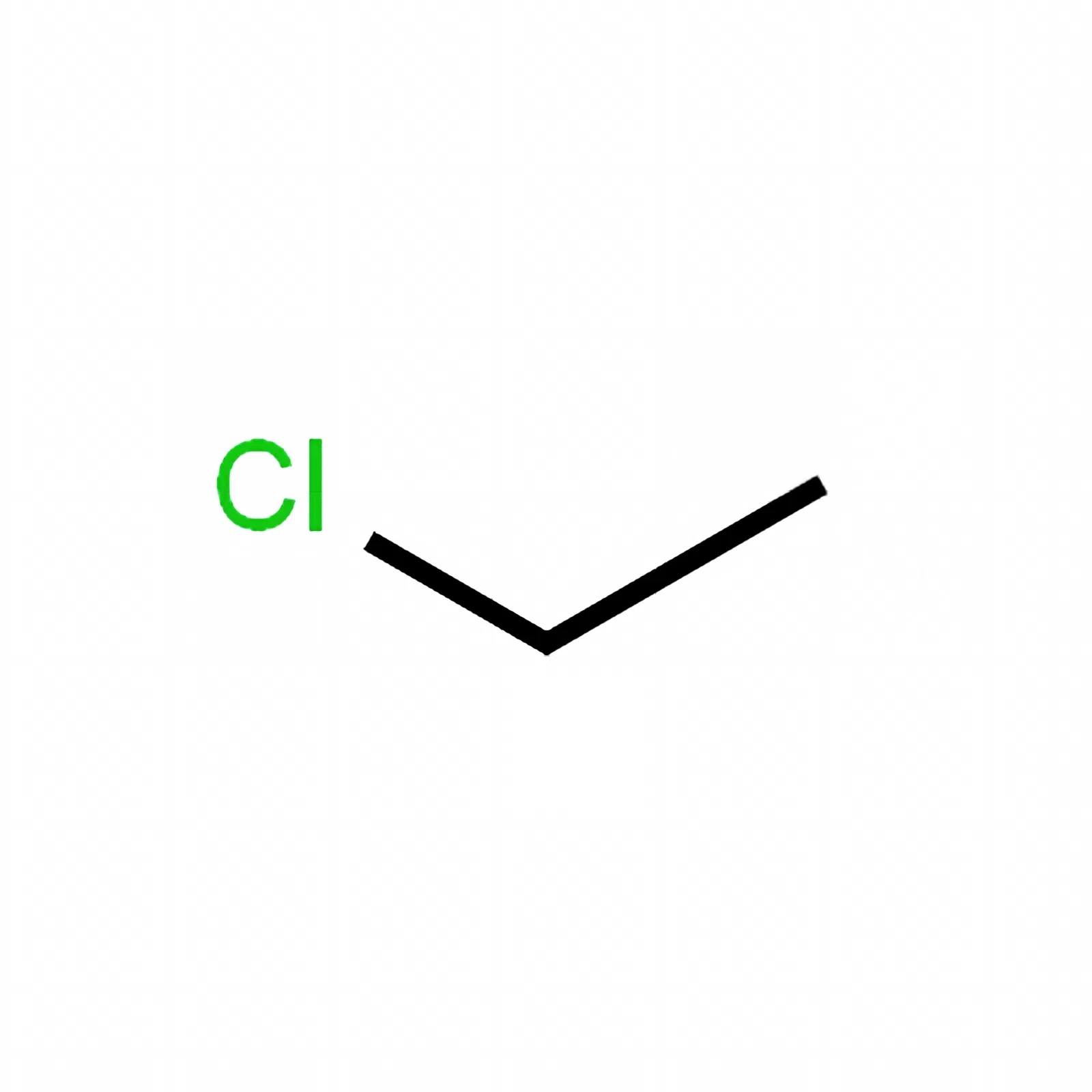
Polyvinyl Chloride Resin SG5 (K67) is a general-purpose suspension PVC resin produced by the suspension polymerization of vinyl chloride monomer (VCM). With a K-value of 66–68 (nominal 67) and an average degree of polymerization of approximately 1000–1100, this grade provides a well-balanced combination of mechanical properties, processability, and economy, making it the most commonly consumed PVC grade in the market.
The resin is characterized by high whiteness, good thermal stability, uniform plasticizer absorption, easy dispersion, and stable processing behavior. It is non-toxic and odorless in resin form, with high chemical stability and resistance to acids, alkalis, and most chemicals. SG5 K67 performs reliably across extrusion, injection molding, calendering, and blow molding processes, in both rigid and flexible applications.
Chemical Properties
Property | Details |
|---|---|
Synonyms | Poly(vinyl chloride); PVC resin; Vinyl chloride polymer; Chloroethylene homopolymer; Poly(chloroethylene); 1-Chloroethene homopolymer |
CAS Number | 9002-86-2 |
Molecular Formula | (C₂H₃Cl)ₙ (i.e., (CH₂CHCl)ₙ) |
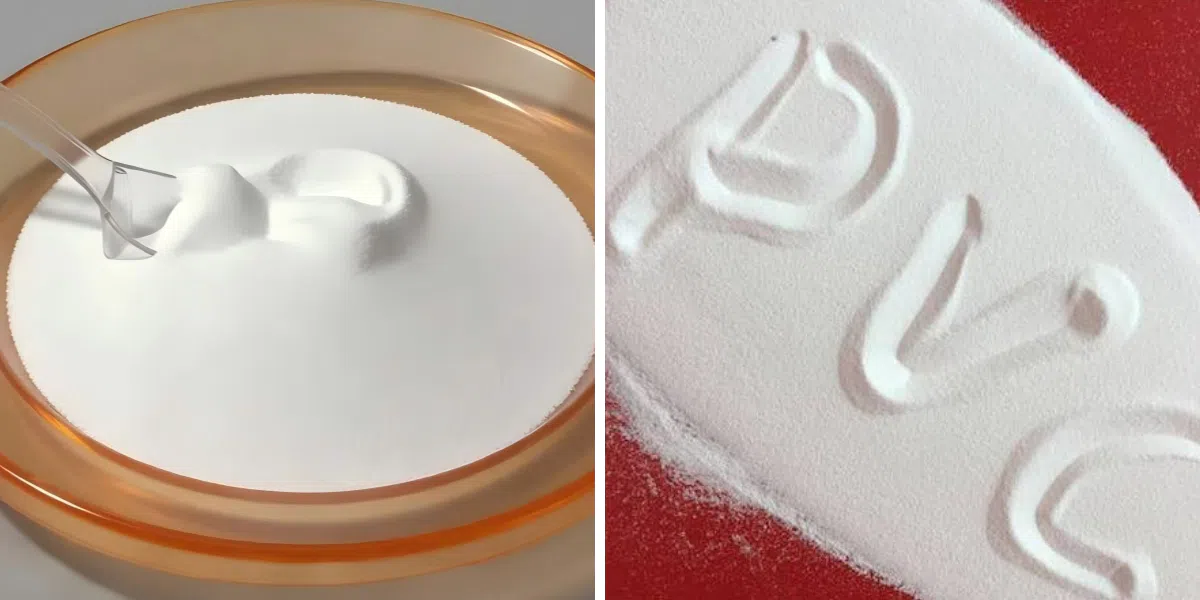
Color | White (powder); colorless and transparent when processed into finished products |
Stability | Stable. Flammable. Incompatible with strong oxidants |
Melting Point | No sharp melting point (amorphous polymer); glass transition temperature (Tg) approx. 75–85 °C; softens and flows at 160–200 °C, decomposing before reaching a true melting point |
Boiling Point | Not applicable — polymer decomposes before boiling |
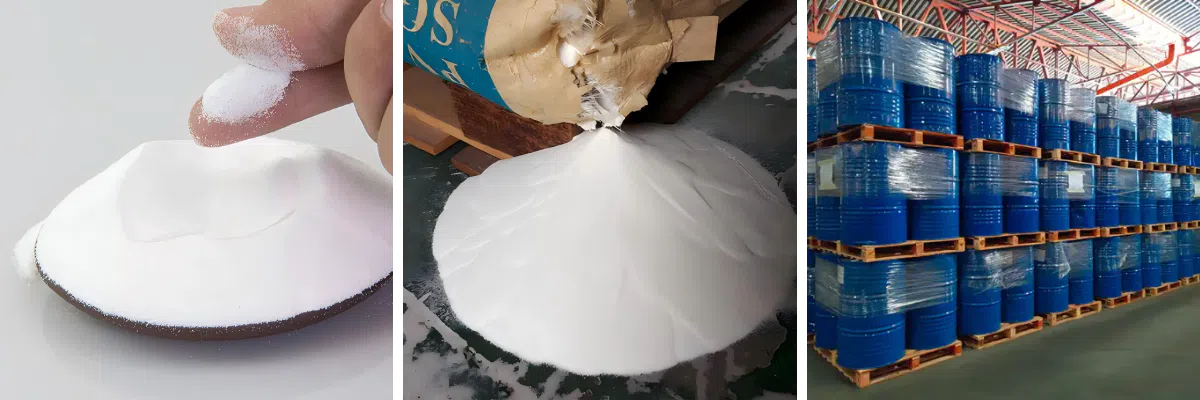
Storage Conditions | Store in a cool, dry, well-ventilated warehouse; keep away from direct sunlight, heat sources and moisture; keep sealed in original packaging |
Form | White free-flowing powder (also available as granules/pellets after compounding) |
Main Applications
PVC pipes and pipe fittings (water supply, drainage, conduit)
Window and door profiles, building materials
Films and sheets (transparent film, calendered sheet)
Cable and wire insulation & sheathing
Shoe soles, hoses, and general molded articles


