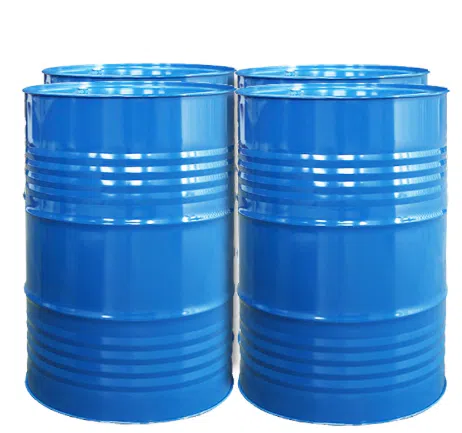
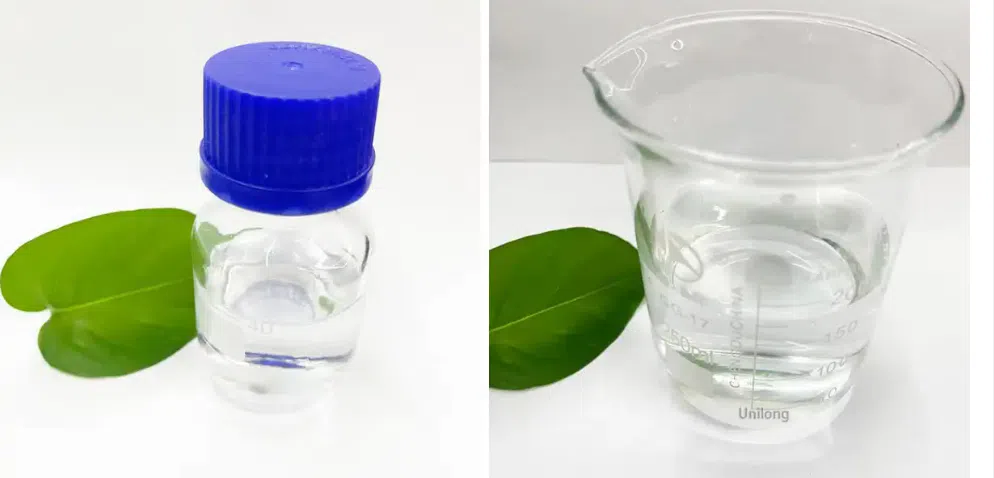
Diethylene glycol
Diethylene glycol (DEG), also referred to as diglycol, undergoes esterification reactions with anhydrides and forms ethers when reacting with alkyl sulfates or halogenated hydrocarbons. Primarily utilized as a gas dehydrating agent and extraction solvent, it also serves as a textile lubricant and finishing agent. This compound is produced through the reaction of ethylene oxide with ethylene glycol.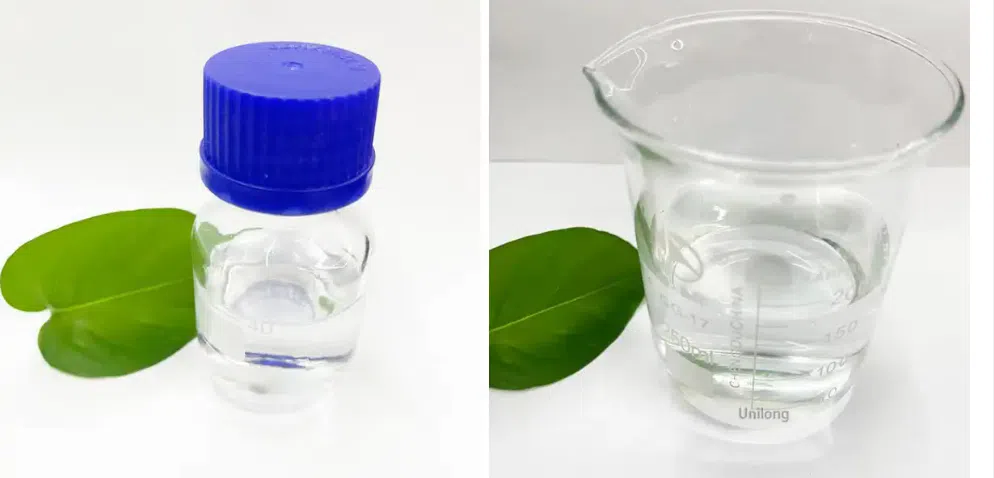
Diethylene Glycol
In cosmetic applications, DEG has been extensively employed for nearly two decades in China as a solvent, humectant, and viscosity modifier. Throughout this extended period of use, no adverse issues have been reported or identified
Diethylene Glycol (DEG) (C₄H₁₀O₃; CAS 111-46-6), also referred to as diglycol or 2,2'-oxybisethanol, is a hygroscopic, colorless, odorless liquid with a sweet taste. It undergoes esterification reactions with anhydrides (forming plasticizers) and forms ethers when reacting with alkyl sulfates or halogenated hydrocarbons (producing specialty solvents).