Products Description
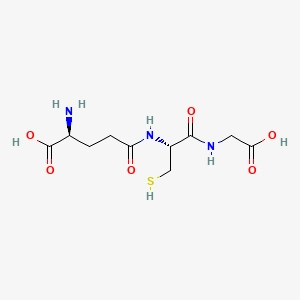
Chemical Identity: Glutathione is a tripeptide of glutamic acid, cysteine and glycine joined by peptide bonds, and the main low-molecular thiol antioxidant in mammalian cells. Discovered in 1921 and structurally confirmed in 1930, it was described by the American nutrition expert Dr. Al Mindell as a triple-action anti-ageing amino acid and is widely known as "nature's anti-ageing master."
Appearance and Solubility: Colourless, transparent, elongated crystals. Freely soluble in water, dilute alcohol, liquid ammonia and dimethylformamide; practically insoluble in ethanol, ether and acetone.
Stability: Stable in the solid state; its aqueous solution is readily oxidised by air to oxidised glutathione (GSSG).
Natural Sources: Widely found in baker's yeast, wheat germ, animal liver, chicken and pig blood, tomatoes, pineapples and cucumbers, with wheat germ and animal liver richest at about 100–1000 mg/100 g.
Biological Functions: Provides antioxidant protection, scavenges free radicals, supports detoxification, enhances immunity, delays ageing, and is associated with anti-cancer and anti-radiation benefits. It also helps white blood cells destroy bacteria, protects vitamins C and E from oxidation, helps prevent stroke and cataract formation, and binds carcinogens so they are excreted through urine.
Note: Five words in your original text had been replaced by unrelated sdluxi.com links (glutamic acid, anti-ageing, water, ethanol, aqueous solution); they are restored above per standard glutathione properties — please verify solubility against the supplier COA. The anti-cancer, anti-radiation and stroke/cataract claims are disease claims and should not be used in food or cosmetic ingredient copy for the EU/US markets.
Glutathione Chemical Properties
| Melting point | 192-195 °C (dec.) (lit.) |
| alpha | -16.5 º (c=2, H2O) |
| Boiling point | 754.5±60.0 °C(Predicted) |
| density | 1.4482 (rough estimate) |
| refractive index | -17 ° (C=2, H2O) |
| storage temp. | 2-8°C |
| solubility | H2O: 50 mg/mL |
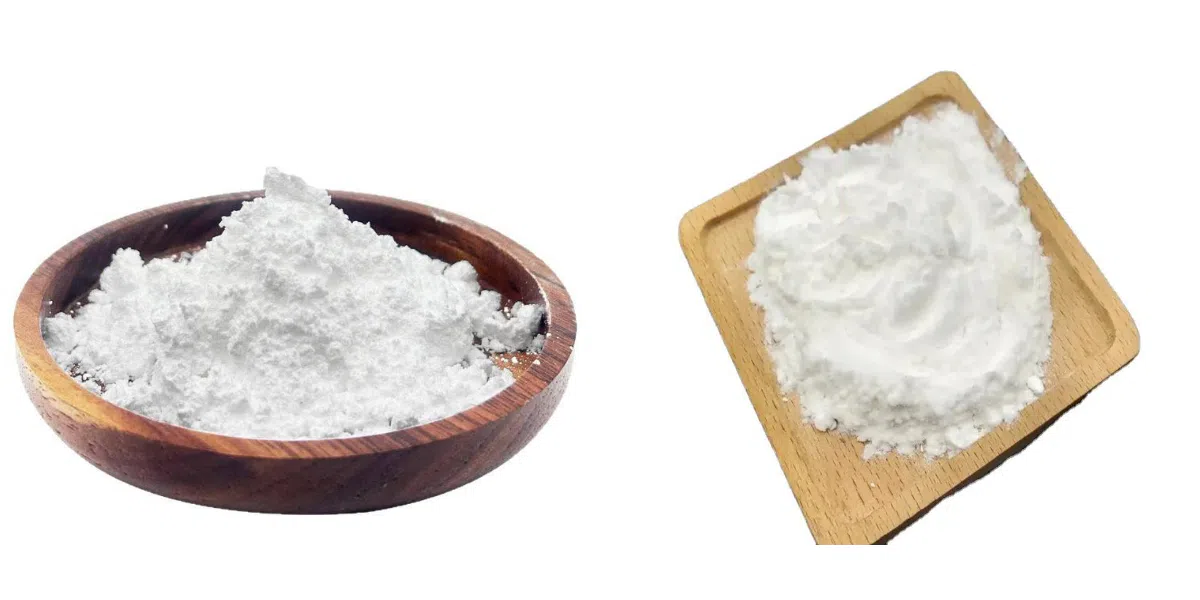
| form | powder |
| pka | pK1 2.12; pK2 3.53; pK3 8.66; pK4 9.12(at 25℃) |
| color | White |
| PH | 3 (10g/l, H2O, 20°C) |
| Odor | Odorless |
| Water Solubility | soluble |
| Merck | 14,4475 |
| BRN | 1729812 |
| Sequence | H-γ-Glu-Cys-Gly-OH |
| Stability: | Stable. Incompatible with strong oxidizing agents. |
| InChIKey | RWSXRVCMGQZWBV-WDSKDSINSA-N |
| LogP | -1.645 (est) |
| CAS DataBase Reference | 70-18-8(CAS DataBase Reference) |
| EPA Substance Registry System | Glutathione (70-18-8) |