Production Description
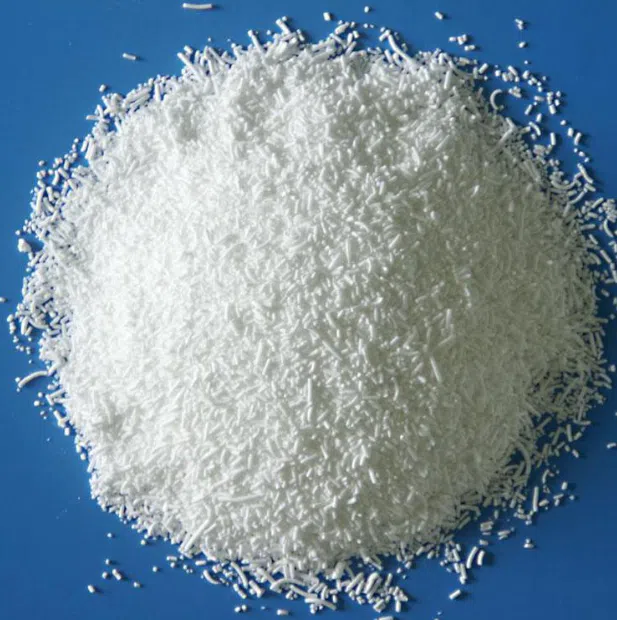
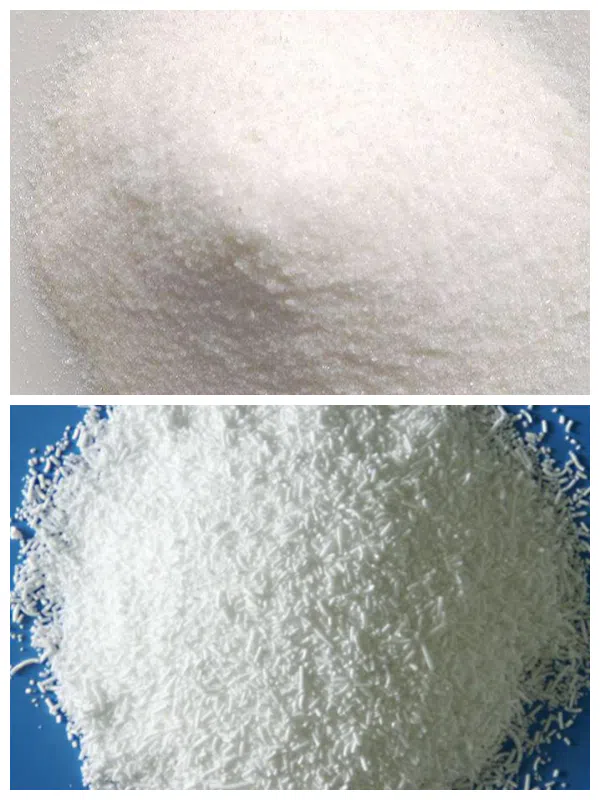
Sodium dodecyl sulfate (SDS), classified as an anionic surfactant, is a classic sulfate-type surfactant, also known commercially as K12, sodium lauryl sulfate (SLS). It is widely used as a foaming agent and cleaning raw material. Its common form is white to pale yellow crystalline powder, which is non-toxic. It dissolves easily in water, slightly soluble in alcohol, and insoluble in chloroform and ether. It has good compatibility with anionic and nonionic surfactants.
This surfactant has outstanding emulsifying, foaming, wetting, cleaning and dispersing capabilities, with rich and stable foam and fast biodegradability. It can be compounded with various surfactant systems to improve the overall performance of the formula. Its aqueous solubility is lower than sodium alcohol ether sulfate (AES).
Sodium Dodecyl Sulfate (SDS CAS:151-21-3), a benchmark anionic sulfate surfactant. It is also named AS, K12, sodium coco-sulfate. It is generally white to pale yellow hygroscopic crystals with a faint characteristic fatty odor. It is widely applied in detergents, toothpaste, latex polymerization and biochemical SDS-PAGE protein analysis.
Key Properties & Specifications
| Parameter | Value/Range |
| Molecular Weight | 288.38 g/mol |
| CMC (25°C) | 8.2 mM (0.24 wt%) |
| Surface Tension | 39.5 mN/m (at CMC) |
| Krafft Point | 16°C (critical solubility) |
| pH (10% sol.) | 7.0-9.5 |
| Bulk Density | 0.45-0.65 g/cm³ |
| Melting Point | 204-207°C (decomp.) |
Application Scenarios
- Cleaning Systems Detergents: 10-25% in laundry powders (removes sebum/stains) Dish Liquids: 3-15% (grease-cutting synergy with CAPB)
- Personal Care Toothpaste: 1.0-1.5% (creamy foam, plaque removal) Shampoos: 8-15% (primary surfactant in clarifying formulas)
- Industrial Processes Emulsion Polymerization: 0.5-2% (styrene-butadiene rubber) Textile Processing: Scouring agent (1-3 g/L, 80°C)
- Scientific Uses SDS-PAGE: 0.1-0.5% in buffers (protein charge masking) Cell Biology: 0.05-0.1% in lysis buffers
- Specialty Formulations Firefighting Foam: 2-5% (AFFF concentrates) Microbubbles: Ultrasound contrast agents
- Packaging & Handling Store in cool, dry, well-ventilated warehouse; seal tightly, avoid moisture absorption. Keep away from oxidants and strong acids.