
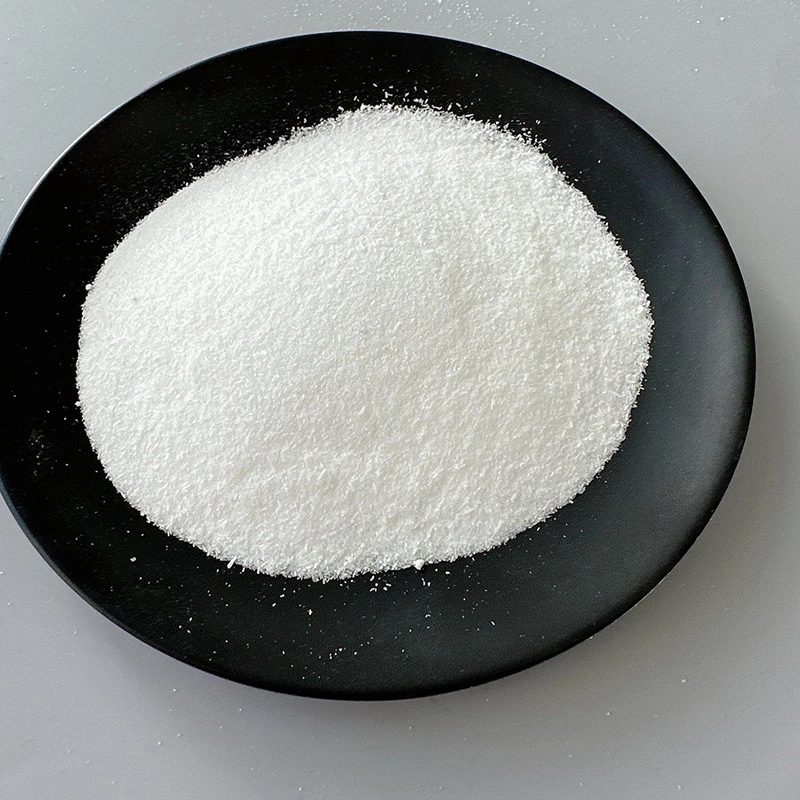
Products Description
D(+)-glucose, also known as dextrorotatory glucose, is the biologically active stereoisomer of glucose. It is characterized by the hydroxyl (OH) group attached to the lowest chiral carbon being positioned on the right side. Glucose can exist in two structural forms: an open-chain (acyclic) form and a cyclic (ring) form, with the cyclic form occurring as two anomers, α- and β-glucose. It serves as a primary energy source for living organisms by providing the substrate for ATP production. Glucose occurs naturally in fruits and various plant tissues in its free form. In animals, it is also produced through the breakdown of glycogen, a metabolic process known as glycogenolysis.
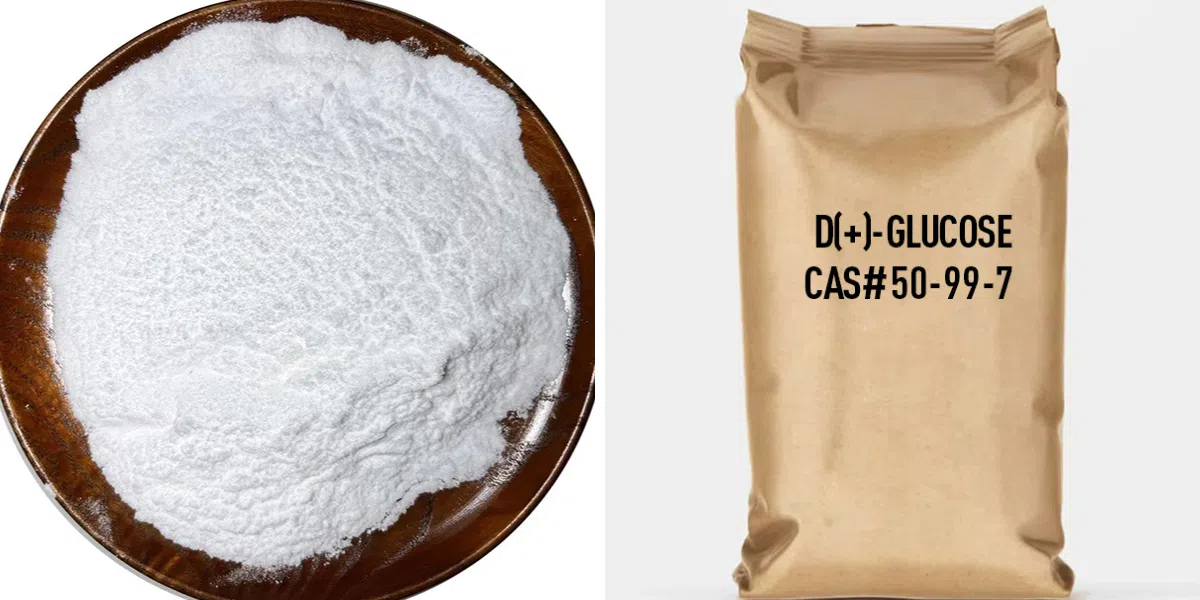
Product Name: | D(+)-Glucose |
Synonyms: | D-Glucose-UL-12C6 (depleted of 13C);D-Glucose-UL-13C6, 1,2,3,4,5,6,6-D7;DEXTROSE,ANHYDROUS,GRANULAR,BIOTECHGRADE;DEXTROSE,ANHYDROUS,GRANULAR,REAGENT,ACS;DEXTROSE,ANHYDROUS,GRANULAR,USP,EP,BP,JP;DEXTROSE,ANHYDROUS,ULTRAPURE;(3R,4R,5S,6S)-6-(hydroxymethyl)oxane-2,3,4,5-tetrol;Cerelose 2001 |
CAS: | 50-99-7 |
MF: | C6H12O6 |
MW: | 180.16 |
EINECS: | 200-075-1 |
Product Categories: | chemical reagent;pharmaceutical intermediate;phytochemical;reference standards from Chinese medicinal herbs (TCM).;standardized herbal extract;D-glucose, Grape sugar;carbohydrate;Dextrins、Sugar & Carbohydrates;Basic Sugars (Mono & Oligosaccharides);Biochemistry;Glucose;Sugars;GChromatography;Inhibitors;Food Additives;Food additive , Sweeteners;Food&Beverage;Kits for Food Analysis;Special Applications;Carbohydrates;Carbohydrates A to;Carbohydrates GBiochemicals and Reagents;Monosaccharide;Alphabetic;Analytical Standards;Food&Beverage Standards;Sweetener;Islet Stem Cell Isolation;Miscellaneous Reagents and SupplementsNeural Stem Cell Biology;Supplements/ReagentsIslet Stem Cell Biology;Cell Culture;Neural Stem Cell Isolation/Expansion;Reagents and Supplements;Supplements/Reagents;bc0001;50-99-7 |
Mol File: | 50-99-7.mol |
Chemical Properties
Melting point | 150-152 °C(lit.) |
alpha | 52.75 º (c=10, H2O, NH4OH 25 ºC) |
Boiling point | 232.96°C (rough estimate) |
density | 1.5440 |
bulk density | 630kg/m3 |
refractive index | 53 ° (C=10, H2O) |
storage temp. | room temp |
solubility | H2O: 1 M at 20 °C, clear, colorless |
pka | pKa 12.43(H2O,t = 18,)(Approximate) |
form | Crystalline Powder |
color | White |
PH | 5.0-7.0 (25℃, 1M in H2O) |
Odor | Odorless |
PH Range | 5.9 |
biological source | wheat |
optical activity | [α]25/D +52.5 to +53.0°(lit.) |
Water Solubility | Soluble |
λmax | λ: 260 nm Amax: 0.03 |
Merck | 14,4459 |
BRN | 1281608 |
Stability: | Stable. Substances to be avoided include strong oxidizing agents. Combustible. |
InChIKey | WQZGKKKJIJFFOK-DVKNGEFBSA-N |
LogP | -2.490 (est) |
CAS DataBase Reference | 50-99-7(CAS DataBase Reference) |
NIST Chemistry Reference | Glucose(50-99-7) |
EPA Substance Registry System | Dextrose (50-99-7) |
Product Applications
Additionally, glucose is widely used in medical treatments for fluid and nutrient replenishment, and is available in forms such as glucose syrup and glucose powder. It can be produced through the enzymatic hydrolysis of starch derived from various sources, including sugar cane, sugar beet, corn (corn syrup), potatoes, and wheat. Nowadays, glucose is primarily manufactured on an industrial scale through large-scale starch hydrolysis.


