
Products Description
Polyethylene glycol (PEG) is a high-molecular-weight polymer produced through the intermolecular dehydration and condensation of ethylene glycol. Its chemical structure is represented by HOCH₂(CH₂OCH₂)ₙCH₂OH, where n is greater than 4, and its average molecular weight typically ranges from 200 to 7,000. The numerical designation following the name of commercial polyethylene glycol indicates its approximate average molecular weight. For instance, PEG-400 has an average molecular weight of approximately 400.
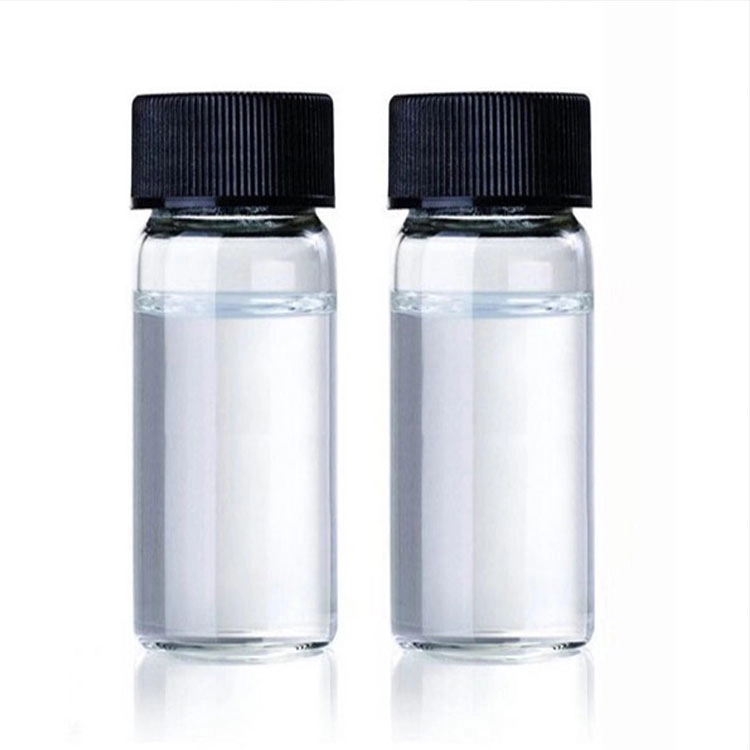
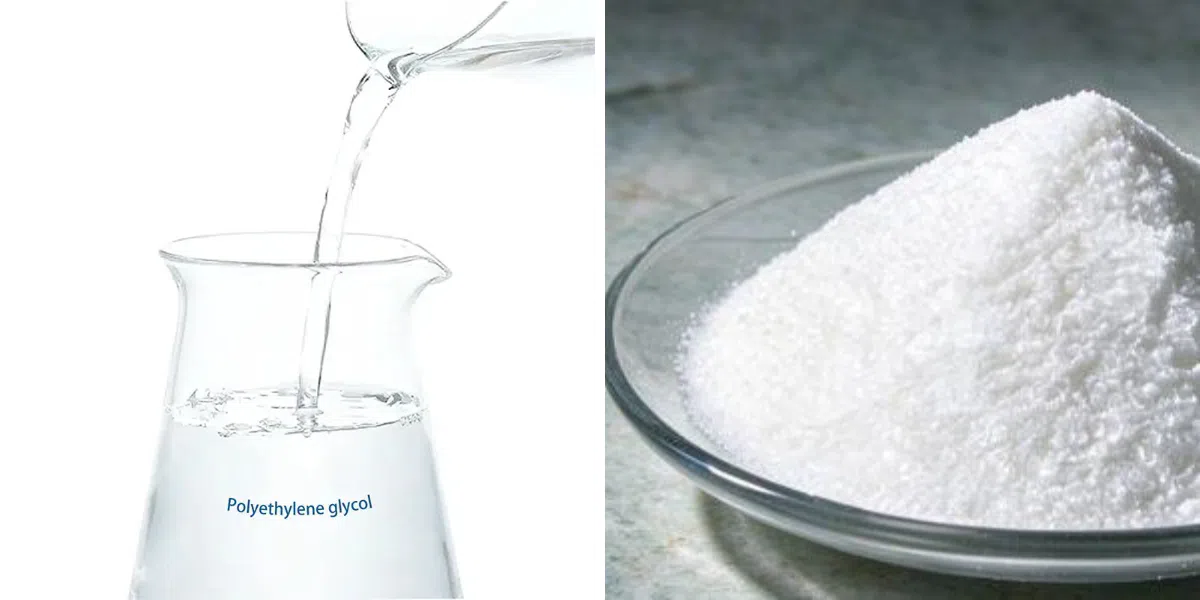
Polyethylene glycol occurs as a colorless, viscous liquid or a white solid and exhibits low toxicity. It is soluble in water and many organic solvents, readily dissolves in aromatic hydrocarbons, and is slightly soluble in aliphatic hydrocarbons. It demonstrates good long-term hydrolytic stability and thermal stability, with little reactivity toward many chemical reagents. Certain metal salts can dissolve in PEG at approximately 100°C and remain stable at room temperature. These include the chlorides of calcium, cobalt, copper, iron, magnesium, manganese, tin, and zinc, as well as potassium iodide and ethylmercury compounds. Owing to its versatile properties, polyethylene glycol is widely used as a plasticizer, softener, wetting agent, lubricant, solvent, and adhesive. It is also utilized in fragrance formulation and pharmaceutical preparations.
Chemical Properties
Melting point | 64-66 °C |
Boiling point | >250°C |
density | 1.27 g/mL at 25 °C |
vapor density | >1 (vs air) |
vapor pressure | <0.01 mm Hg ( 20 °C) |
refractive index | n20/D 1.469 |
Fp | 270 °C |
storage temp. | 2-8°C |
solubility | H2O: 50 mg/mL, clear, colorless |
form | waxy solid |
Specific Gravity | 1.128 |
color | White to very pale yellow |
PH | 5.5-7.0 (25℃, 50mg/mL in H2O) |
Water Solubility | Soluble in water. |
Sensitive | Hygroscopic |
λmax | λ: 260 nm Amax: 0.6 |
Merck | 14,7568 |
Stability: | Stable. Incompatible with strong oxidizing agents. |
LogP | -0.698 at 25℃ |
NIST Chemistry Reference | Polyethylene glycol(25322-68-3) |
EPA Substance Registry System | Polyethylene glycol (25322-68-3) |
Safety Information
Melting point | 64-66 °C |
Boiling point | >250°C |
density | 1.27 g/mL at 25 °C |
vapor density | >1 (vs air) |
vapor pressure | <0.01 mm Hg ( 20 °C) |
refractive index | n20/D 1.469 |
Fp | 270 °C |
storage temp. | 2-8°C |
solubility | H2O: 50 mg/mL, clear, colorless |
form | waxy solid |
Specific Gravity | 1.128 |
color | White to very pale yellow |
PH | 5.5-7.0 (25℃, 50mg/mL in H2O) |
Water Solubility | Soluble in water. |
Sensitive | Hygroscopic |
λmax | λ: 260 nm Amax: 0.6 |
Merck | 14,7568 |
Stability: | Stable. Incompatible with strong oxidizing agents. |
LogP | -0.698 at 25℃ |
NIST Chemistry Reference | Polyethylene glycol(25322-68-3) |
EPA Substance Registry System | Polyethylene glycol (25322-68-3) |
Product Applications
Polyethylene glycol (PEG) and its fatty acid esters are extensively used in the cosmetics and pharmaceutical industries due to their excellent functional properties. PEG is water-soluble, non-volatile, physiologically inert, mild, and lubricating, helping to keep the skin hydrated, soft, and comfortable after application. By selecting PEG grades with different relative molecular weights, the viscosity, moisture-retention capacity, and structural characteristics of formulations can be adjusted.
Low-molecular-weight PEG (Mr < 2,000) is primarily used as a humectant and consistency regulator in creams, lotions, toothpastes, and shaving creams. It is also suitable for leave-in hair care products, where it helps impart a smooth texture and silky shine. In contrast, high-molecular-weight PEG (Mr > 2,000) is commonly incorporated into lipsticks, deodorant sticks, soaps, shaving soaps, foundations, and other cosmetic products. In cleansing formulations, PEG also serves as a suspending agent and thickener. For cosmetic applications, commercially available PEG grades that comply with food and pharmaceutical standards, such as Polyethylene Glycol NF manufactured by Dow Chemical Company, are generally preferred.
Methoxy polyethylene glycol and polypropylene glycol have applications similar to those of conventional PEG. In pharmaceutical formulations, PEG is widely used in injections, topical preparations, ophthalmic products, and oral and rectal dosage forms. Liquid PEG can be blended with solid-grade PEG to regulate the viscosity of topical ointments. PEG mixtures also serve as bases for suppositories, while aqueous PEG solutions can function as suspending agents or help adjust the viscosity of other suspension vehicles. When combined with other emulsifiers, PEG can improve emulsion stability. Furthermore, it is widely employed as a film-coating agent, tablet lubricant, and controlled-release material in pharmaceutical manufacturing.


