Products Description
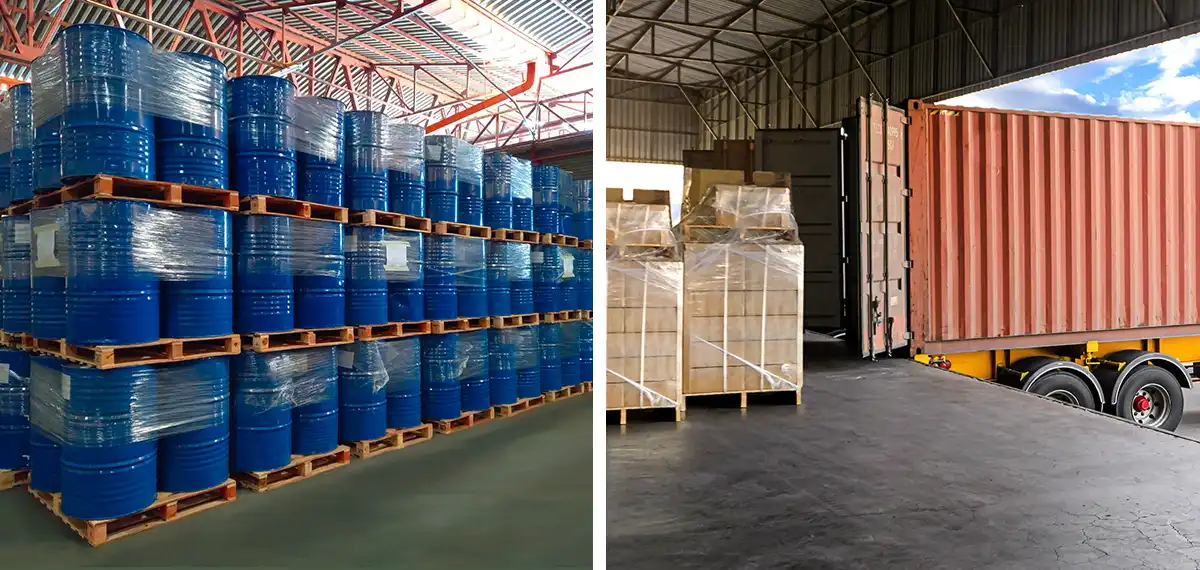
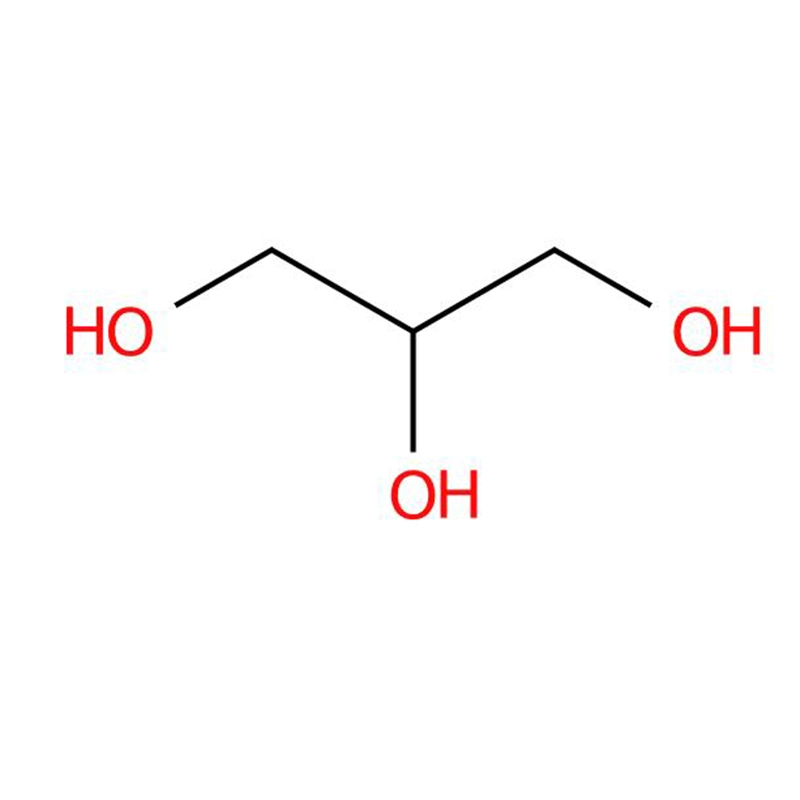
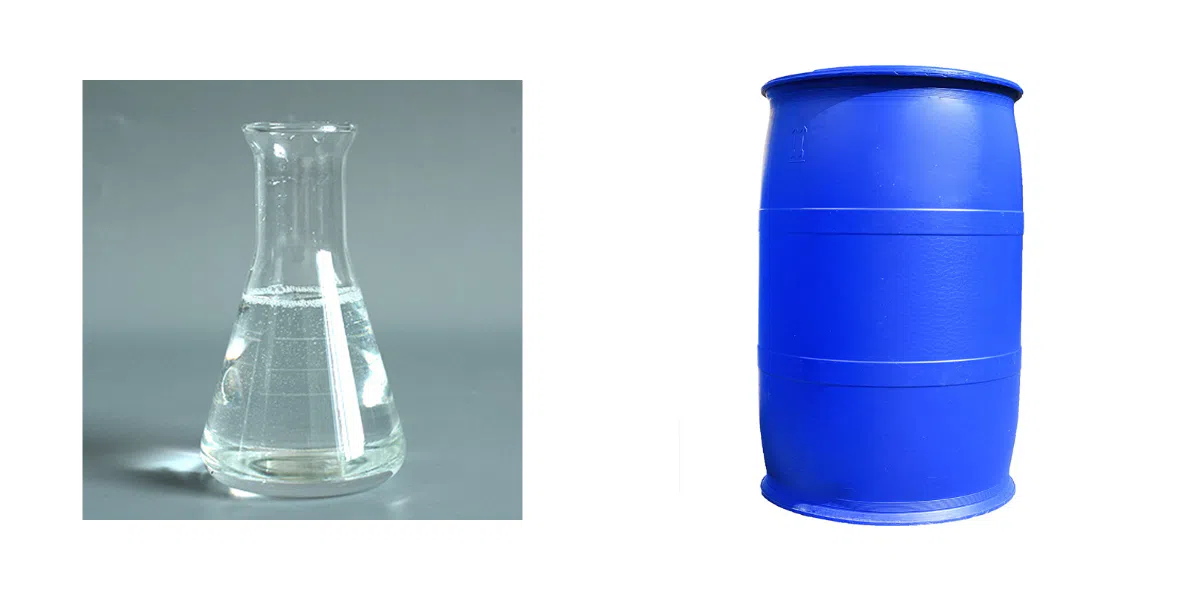
Vegetable Glycerin (CAS:56-81-5, also named Glycerol) is refined by hydrolysis of vegetable oils such as palm oil and coconut oil, different from animal-based or petro-based glycerin. It is a colorless, transparent, viscous liquid at room temperature with a slight sweet taste and no odor, freely miscible with water and ethanol. The regular grade reaches purity ≥99.5%, available in food, cosmetic and pharmaceutical grades, complying with USP, EP and FCC standards. It features outstanding moisturizing, solubilizing and softening effects, along with good anti-freezing property and stable chemical performance. Batch COA and MSDS are available. Halal and Kosher certificates can be provided. Stable supply and customized packaging are supported. It is widely supplied to food manufacturers, skincare factories, pharmaceutical enterprises and e-liquid producers. As a popular eco-friendly basic raw material, it enjoys simple export procedures.
Chemical Properties
| Melting point | 20 °C(lit.) |
| Boiling point | 290 °C |
| density | 1.25 g/mL(lit.) |
| vapor density | 3.1 (vs air) |
| vapor pressure | <1 mm Hg ( 20 °C) |
| refractive index | n20/D 1.474(lit.) |
| FEMA | 2525 | GLYCEROL |
| Fp | 320 °F |
| storage temp. | Store at +5°C to +30°C. |
| solubility | H2O: 5 M at 20 °C, clear, colorless |
| pka | 14.15(at 25℃) |
| form | Viscous Liquid |
| color | APHA: ≤10 |
| Specific Gravity | 1.265 (15/15℃)1.262 |
| Odor | Odorless. |
| PH Range | 5.5 - 8 |
| PH | 5.5-8 (25℃, 5M in H2O) |
| explosive limit | 2.6-11.3%(V) |
| Odor Type | odorless |
| biological source | synthetic (organic) |
| Water Solubility | >500 g/L (20 ºC) |
| Sensitive | Hygroscopic |
| λmax | λ: 260 nm Amax: 0.05 λ: 280 nm Amax: 0.04 |
| Merck | 14,4484 |
| JECFA Number | 909 |
| BRN | 635685 |
| Dielectric constant | 47.0(Ambient) |
| Exposure limits | OSHA: TWA 15 mg/m3; TWA 5 mg/m3 |
| Stability: | Stable. Incompatible with perchloric acid, lead oxide, acetic anhydride, nitrobenzene, chlorine, peroxides, strong acids, strong bases. Combustible. |
| InChIKey | PEDCQBHIVMGVHV-UHFFFAOYSA-N |
| LogP | -2.32 |
| Surface tension | 64mN/m at 20°C |
| CAS DataBase Reference | 56-81-5(CAS DataBase Reference) |
| NIST Chemistry Reference | 1,2,3-Propanetriol(56-81-5) |
| EPA Substance Registry System | Glycerine (56-81-5) |
| Absorption | ≤0.02 at 280nm in H2O at 0.5M ≤0.07 at 260nm in H2O at 0.5M |
Safety Information
| Hazard Codes | F,Xn |
| Risk Statements | 36-20/21/22-11 |
| Safety Statements | 24/25-39-26 |
| RIDADR | UN 1282 3/PG 2 |
| WGK Germany | 1 |
| RTECS | MA8050000 |
| F | 3 |
| Autoignition Temperature | 698 °F |
| TSCA | Yes |
| HS Code | 29054500 |
| Hazardous Substances Data | 56-81-5(Hazardous Substances Data) |
| Toxicity | LD50 in rats (ml/kg): >20 orally; 4.4 i.v. (Bartsch) |
Product Application
In food industry, it works as humectant, sweetener and antifreeze agent for pastries, candies, beverages and meat products to prevent dehydration and hardening. In cosmetics, it is added into toners, creams, serums, hand washes and toothpaste as a classic moisturizer to soothe dry skin. In pharmacy, it is used for suppository bases, oral solvents and ointment additives. It is also a common raw material for aromatherapy and e-liquid formulations. Industrially, it is applied in resins, coatings, inks, antifreeze and textile auxiliaries to improve flexibility and water retention. It can also be used in feed and pet care products. Its plant-based feature meets the global trend of green consumption, covering food, personal care, medicine, new materials and textile sectors with steady market demand.