Dextran CAS# 9004-54-0
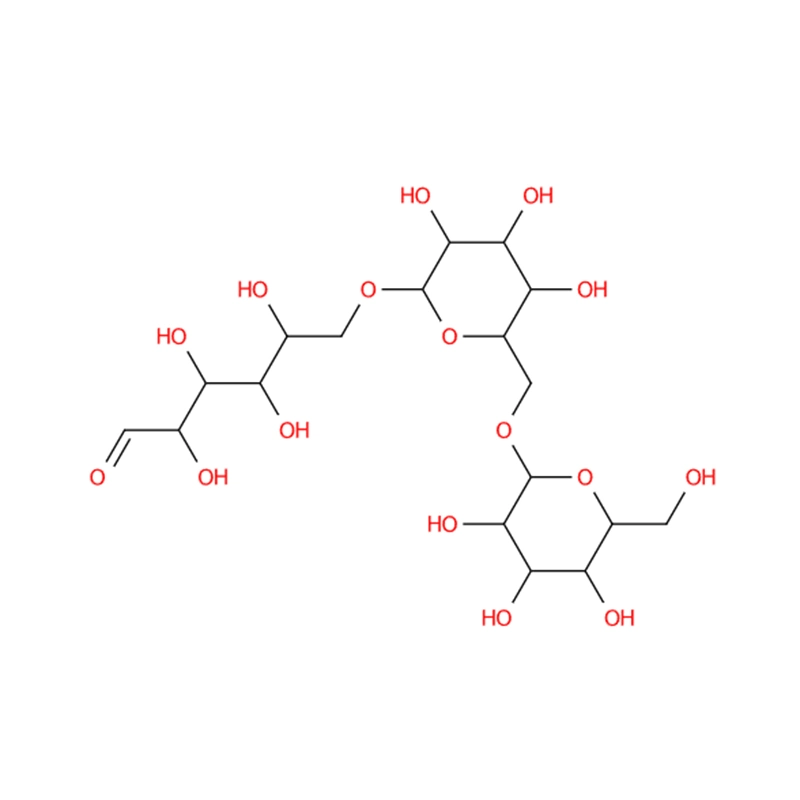
Dextran is a high-molecular-weight glucose polymer characterized primarily by $\alpha$-1,6-glucopyranosidic linkages. It is synthesized from sucrose via Leuconostoc mesenteroides and related microorganisms, and can additionally be produced from dextrins by alternative bacterial strains.
Frequently utilized in beaded formats for bioreactor operations, Dextran also serves in size-exclusion chromatography matrices and biomolecular osmotic stress research. Furthermore, it functions as an effective stabilizing coating for metal nanoparticles, shielding them against oxidative degradation.
As long-chain glucose polysaccharides spanning diverse molecular weight profiles, specific variants such as Dextran 70 (approximate molecular weight of 70,000) persist within the intravascular compartment to sustain plasma colloid oncotic pressure comparably to albumin. Distinct from albumin, however, elevated doses of Dextran 70 actively suppress platelet aggregation and stimulate fibrinolytic pathways.
| Product Name: | Dextran |
| Synonyms: | Dextran 75,000 Mw, Pryogen Free;Dextrane2000;Dextran, high fraction, for biochemistry;MUCROSE;NATIVE DEXTRAN;POLY[(1,6)-ALPHA-D-GLUCOSE];DEXTRAN,150,000,POWDER;DEXTRAN,250,000,POWDER |
| CAS: | 9004-54-0 |
| MF: | C17H32O10 |
| MW: | 396.42998 |
| EINECS: | 232-677-5 |
| Product Categories: | Other APIs;Carbohydrates & Derivatives;Inhibitors;Intermediates & Fine Chemicals;Pharmaceuticals;Dextrins、Sugar & Carbohydrates;Carbohydrates D-FAlphabetic;DA - DHBiochemicals and Reagents;Biostabilization AgentsCarbohydrates;Biostabilization AgentsBiochemicals and Reagents;Carbohydrates A to;Carbohydrates D-FBiochemicals and Reagents;Biochemicals and Reagents;Carbohydrates;Polysaccharide;DA - DHPolymer Standards;Alphabetic;D;Dextran;Water Soluble Polymers;DextranChromatography;DIN StandardsCertified Reference Materials (CRMs);Application CRMs;Polymer Standards;Biostabilization AgentsResearch Essentials;CarbohydratesBiochemicals and Reagents;Stabilization of Biomolecules;Core Bioreagents;Organic SolublePolymer Standards;Polymer Standards Kits;Water Soluble;Cell Separation (Centrifugation) MediaResearch Essentials;Centrifugation Media;Hematology and Histology |
| Mol File: | 9004-54-0.mol |
Dextran Chemical Properties
| Melting point | 483 °C (decomp) |
| Alpha | 198 º |
| Density | 1.00-1.20g/mL |
| Refractive index | 185 ° (C=6, H2O) |
| Storage temp | 2-8°C |
| Solubility | H2O: soluble50mg/mL, clear to very slightly hazy, colorless to faintly yellow |
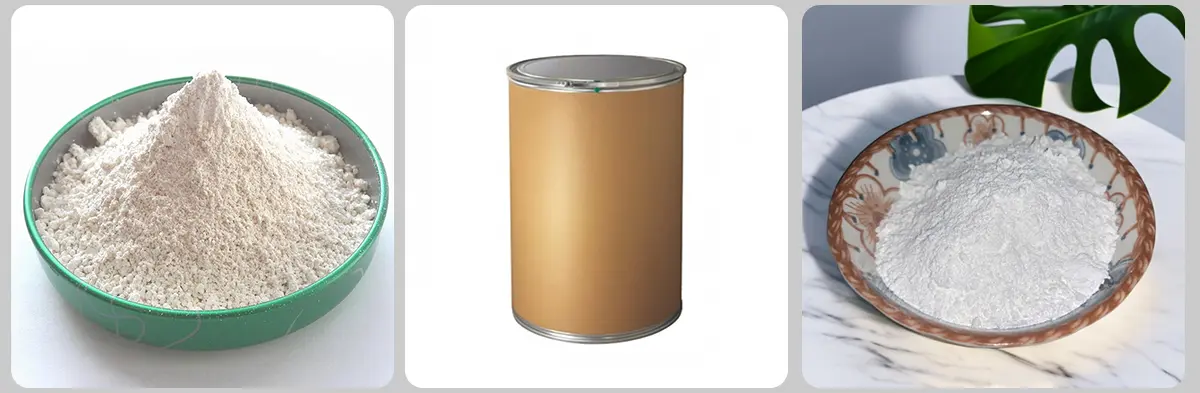
| Form | Solid |
| Color | White to slightly off-white |
| PH | 46063 |
| Biological source | bacterial (Leuconostoc mesenteroides) |
| Optical activity | +208 to +233 (formaldehyde) |
| Water Solubility | Soluble in water, dimethyl sulfoxide, ethylene glycol and glycerol. |
| Merck | 142948 |
| Stability | Stable. Keep dry. Incompatible with strong oxidizing agents. |
| LogP | -4.259 (est) |
| EPA Substance Registry System | Dextran (9004-54-0) |
| Absorption | ≤0.05 at 375nm in H2O at 10% |
Product Usage
Kojic acid (CAS# 501-30-4) serves versatile functions across diverse sectors. Within the cosmetics industry, it is widely formulated into whitening creams and skincare treatments to suppress tyrosinase activity and deliver antioxidant protection, effectively minimizing pigmentation and freckles, as well as reinforcing sunscreen formulations.
In food processing, its antimicrobial and antioxidant capabilities preserve the freshness of produce and meats while stabilizing the color of items like fruit juices.
In pharmaceutical applications, kojic acid assists in managing hyperpigmentation disorders such as melasma and functions as an antibacterial and anti-inflammatory agent in topical formulations.
Furthermore, it finds utility in agriculture as a plant growth regulator and in industrial manufacturing as an antioxidant and metal ion chelating agent.