
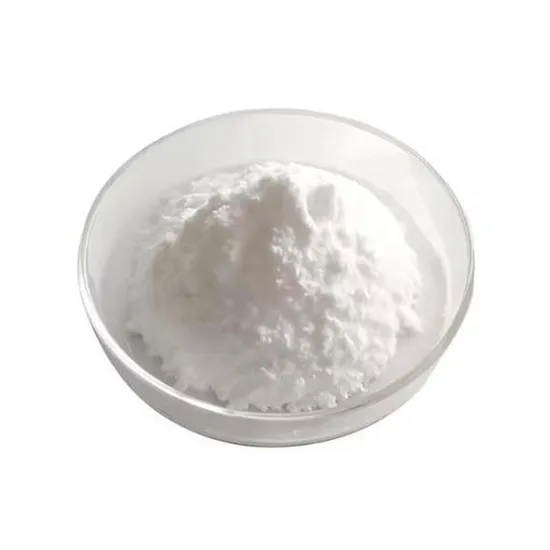
Products Description of Potassium iodide CAS#7681-11-0
Potassium iodide is an ionic compound. Its iodide ions easily react with silver ions to form a pale yellow silver iodide precipitate. This substance is light‑sensitive and decomposes upon exposure to light, a property that makes it valuable for manufacturing high‑speed photographic films. Silver nitrate is widely used to test for iodide ions based on this characteristic reaction.
Iodine is an indispensable constituent of thyroid hormones. It is critical for regulating basal metabolism in livestock and poultry and participates in almost all metabolic processes. Iodine deficiency in animals may cause thyroid enlargement and hyperplasia, lower basal metabolic rate, and stunt growth and development. Therefore, iodine supplementation is required in feed for young animals and herds raised in iodine‑deficient areas.
High‑performance animals such as high‑yield dairy cows and laying hens have higher iodine requirements, which need to be fulfilled via feed additives. As iodine intake increases, the iodine content in milk and eggs rises accordingly. Research shows that iodine‑enriched eggs may help reduce human cholesterol and offer health benefits for people with hypertension.
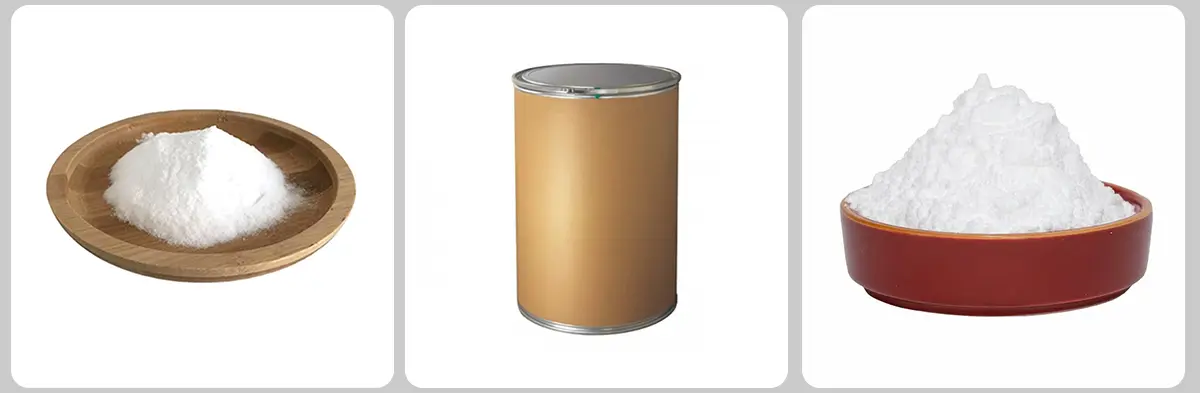
Potassium iodide Chemical Properties
| Melting point | 681 °C (lit.) |
| Boiling point | 184 °C(lit.) |
| Density | 1.7 g/cm3 |
| Vapor density | 9 (vs air) |
| Vapor pressure | 0.31 mm Hg ( 25 °C) |
| Refractive index | 1.677 |
| Fp | 1330°C |
| Storage temp. | 2-8°C |
| Solubility | H2O: 1 M at 20 °C, clear, colorless |
| Form | Particles (round) |
| Pka | 0.06[at 20 ℃] |
| Color | Yellow |
| Specific Gravity | 3.13 |
| Odor | Odorless |
| PH | 6.0-9.0 (25℃, 1M in H2O) |
| Water Solubility | 1.43 kg/L |
| Sensitive | Hygroscopic |
| Merck | 147,643 |
| Exposure limits | ACGIH: TWA 0.01 ppm |
| Dielectric constant | 5.12 |
| BCS Class | 1 |
| Stability | Stable. Protect from light and moisture. Incompatible with strong reducing agents, strong acids, steel, aluminium, alkali metals, brass, magnesium, zinc, cadmium, copper, tin, nickel and their alloys. |
| InChIKey | NLKNQRATVPKPDG-UHFFFAOYSA-M |
| LogP | -0.958 at 25℃ |
| CAS DataBase Reference | 7681-11-0(CAS DataBase Reference) |
| NIST Chemistry Reference | Potassium iodide(7681-11-0) |
| EPA Substance Registry System | Potassium iodide (7681-11-0) |
Product Application of Potassium Iodide CAS#7681-11-0
Potassium iodide is an approved iodine fortifier for food applications. According to Chinese regulations, its dosage is controlled at 0.3–0.6 mg/kg for infant food and 30–70 mg/kg for table salt. Iodine, as a core constituent of thyroid hormones, participates in the metabolism of all nutrients in livestock and poultry and helps maintain thermal balance in the body. It is indispensable for normal animal growth, reproduction and lactation.
Supplementation with potassium iodide can improve growth performance, sustain good health and boost productivity of livestock and poultry. On the contrary, iodine deficiency may trigger metabolic disorders and physiological anomalies, such as thyroid enlargement, impaired nerve function, discoloration of fur, poor digestion and absorption of feed, and consequently retarded growth and development.


