Benzylamine CAS#100-46-9 Product Description
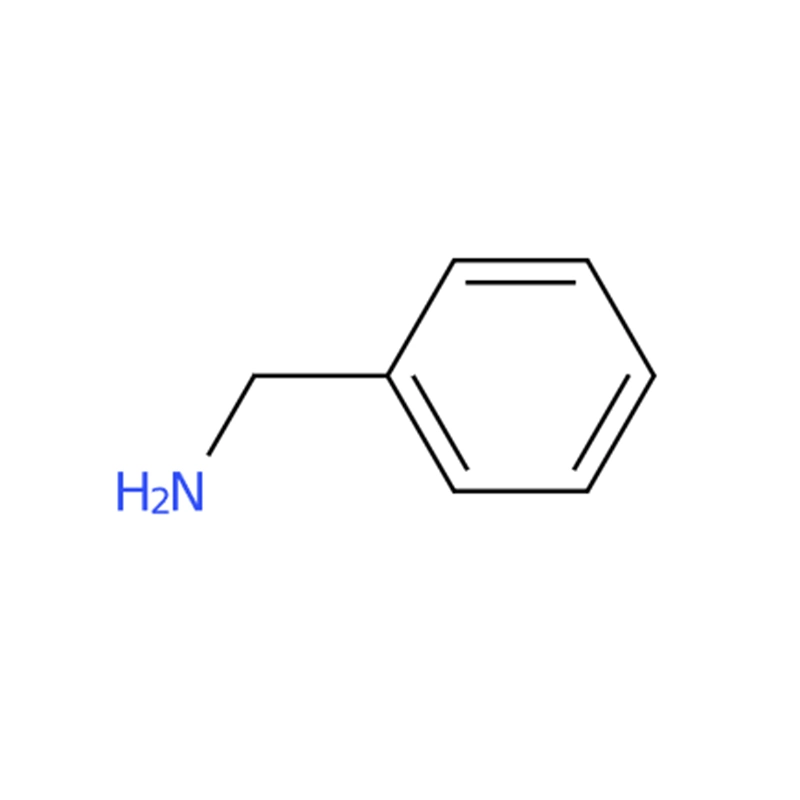
Benzylamine (C₇H₉N) is an important organic amine compound that typically appears as a clear, colorless to light amber liquid with distinctive chemical properties. It is miscible with water, ethanol, and diethyl ether, and is also readily soluble in organic solvents such as acetone and benzene, while exhibiting limited solubility in chloroform. Owing to its chemical reactivity and favorable solvent compatibility, benzylamine has applications in analytical chemistry and various specialized laboratory procedures.
One of its important analytical applications is its use as a precipitating reagent in microscopy and microcrystalline analysis. It is employed in the qualitative identification and determination of various elements and inorganic compounds through the formation of characteristic precipitates or crystalline derivatives. These applications include the analysis of molybdates, borates, tungstates, as well as elements and their compounds such as thorium, zirconium, cerium, lanthanum, praseodymium, and neodymium. Its role in these analytical techniques makes benzylamine a useful chemical reagent for specialized identification, separation, and detection procedures in laboratory research.
Benzylamine CAS#100-46-9 Chemical Properties
| Melting point | 10 °C (lit.) |
| Boiling point | 184-185 °C (lit.) |
| density | 0.981 g/mL at 25 °C (lit.) |
| vapor pressure | 1.2 hPa (20 °C) |
| refractive index | n20/D 1.543(lit.) |
| Fp | 140 °F |
| storage temp. | Store below +30°C. |
| solubility | alcohol: miscible |
| form | Liquid |
| pka | 9.33(at 25℃) |
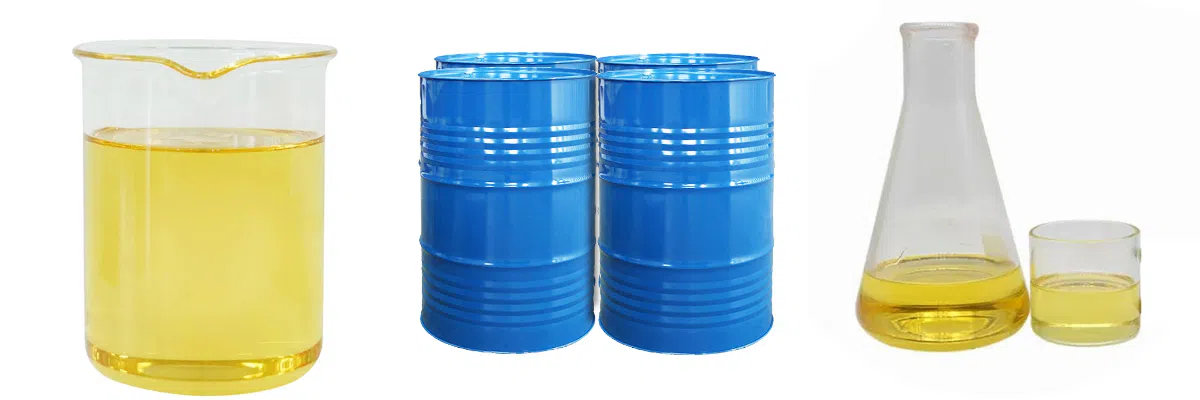
| color | Clear colorless to slightly yellow |
| PH | 11.4 (100g/l, H2O, 20℃) |
| Odor | Strong ammonia. |
| explosive limit | 0.7-8.2%(V) |
| Water Solubility | soluble |
| Sensitive | Air Sensitive |
| Merck | 14,1125 |
| BRN | 741984 |
| Dielectric constant | 4.6(Ambient) |
| Stability: | Combustible. Incompatible with strong oxidizing agents, strong acids. |
| InChIKey | WGQKYBSKWIADBV-UHFFFAOYSA-N |
| LogP | 1 at 25℃ |
| CAS DataBase Reference | 100-46-9(CAS DataBase Reference) |
| NIST Chemistry Reference | Benzylamine(100-46-9) |
| EPA Substance Registry System | Benzylamine (100-46-9) |
Benzylamine CAS#100-46-9 Safety Information
| Hazard Codes | C |
| Risk Statements | 21/22-34 |
| Safety Statements | 26-36/37/39-45 |
| RIDADR | UN 2735 8/PG 2 |
| WGK Germany | 1 |
| RTECS | DP1488500 |
| F | 34 |
| Autoignition Temperature | 405 °C |
| TSCA | Yes |
| HS Code | 2921 49 00 |
| HazardClass | 8 |
| PackingGroup | II |
| Hazardous Substances Data | 100-46-9(Hazardous Substances Data) |
| Toxicity | LD50 orally in Rabbit: 552 mg/kg LD50 dermal Rat 1350 mg/kg |
Benzylamine CAS#100-46-9 Product Application
Benzylamine is widely used as an analytical reagent in microcrystalline analysis, particularly as a precipitating agent for the qualitative and quantitative determination of various inorganic compounds and metal ions. Its applications include the analysis of molybdates, vanadates, tungstates, thorium, zirconium, titanium, cobalt, cerium, lanthanum, praseodymium, and neodymium. Through the formation of characteristic crystalline derivatives, benzylamine facilitates the identification and analysis of these substances in specialized laboratory procedures.
In organic analytical chemistry, benzylamine is also employed to differentiate and identify various types of carboxylic acids. It can react with suitable carboxylic acid derivatives, including esters, to produce N-benzyl-containing derivatives. These derivatives can be characterized by their distinct melting points, providing a useful basis for the identification and differentiation of different organic acids. Furthermore, benzylamine is utilized as a reagent in the qualitative analysis of certain metal-organic compounds.
Beyond its analytical applications, benzylamine serves as an important organic synthesis intermediate in the chemical manufacturing industry. It is widely used in the preparation of various dyes, pharmaceutical compounds, and polymer materials. Its versatile chemical reactivity makes it a valuable raw material for producing specialty chemicals and functional organic derivatives, supporting applications across the pharmaceutical, dye, polymer, and fine chemical industries.