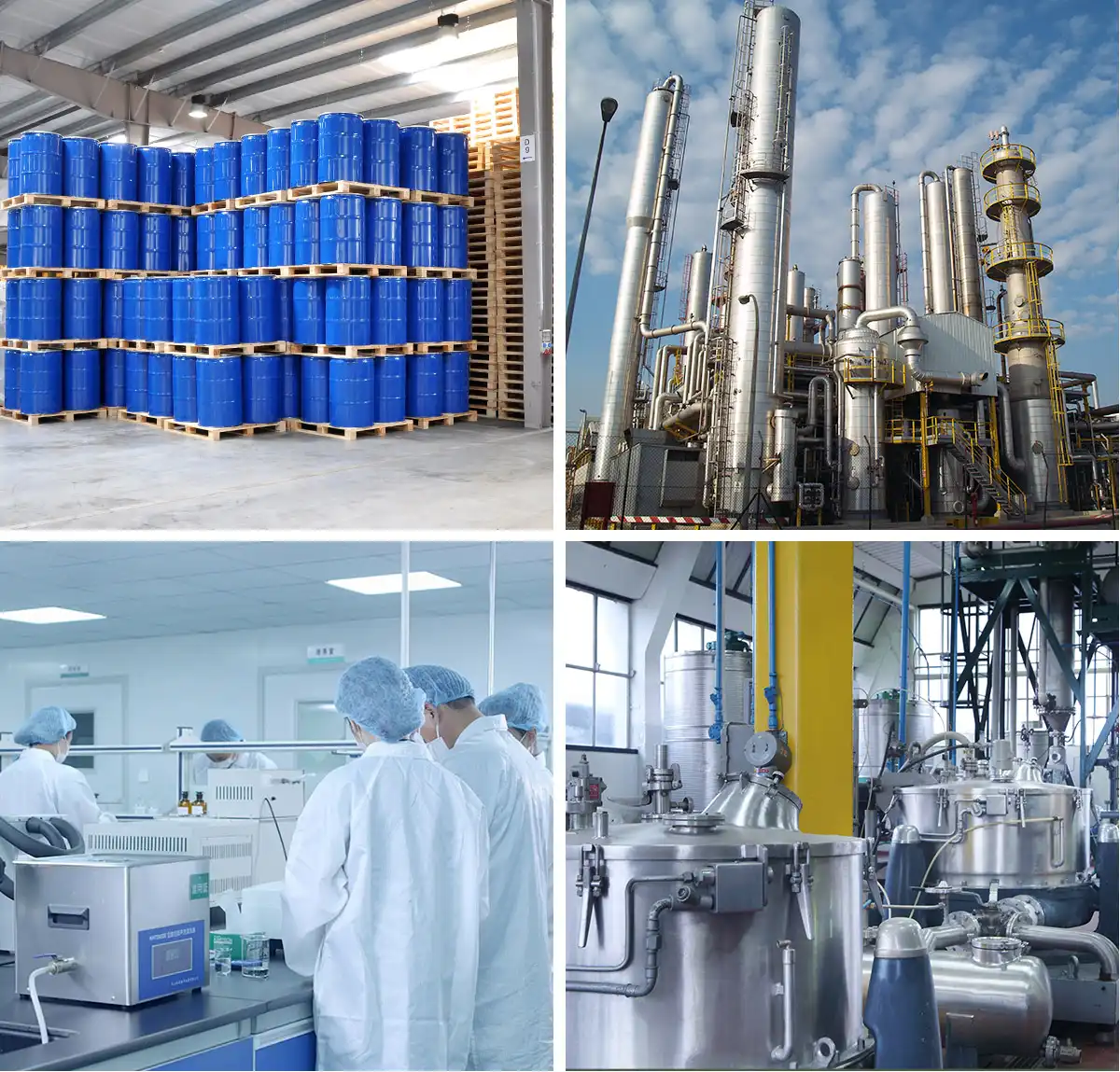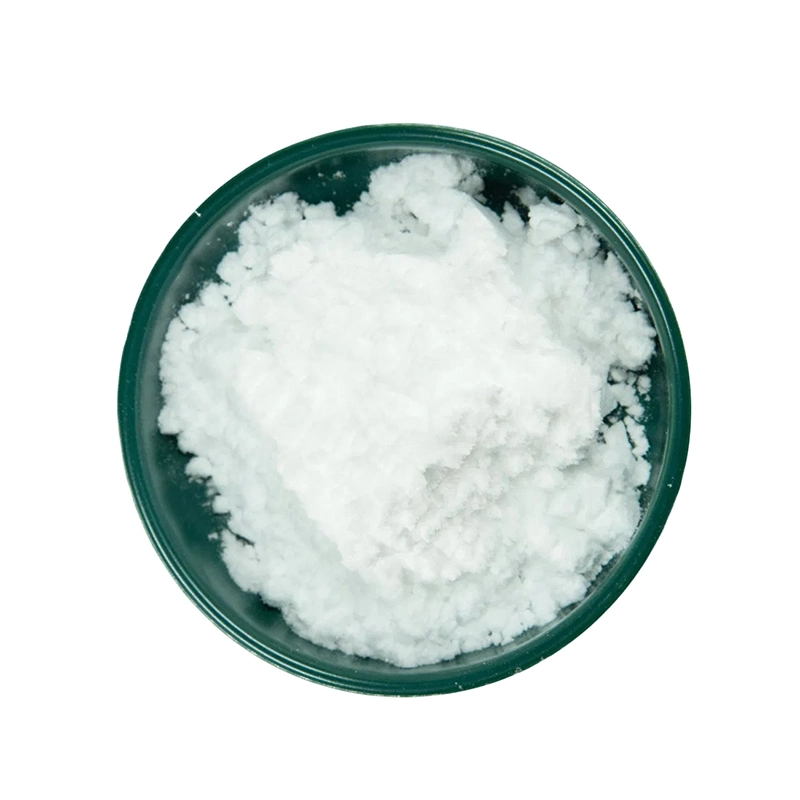
Recognized as an exceptionally potent therapeutic agent for the treatment of malaria, artemisinin is classified as a sesquiterpene lactone containing a characteristic endoperoxide bridge, extracted from the traditional medicinal plant Artemisia annua. This active compound is distinguished by high clinical efficacy, rapid parasitic clearance, traditional heat-clearing and antipyretic properties, potent antiprotozoal activity, and a remarkably favorable low-toxicity profile.
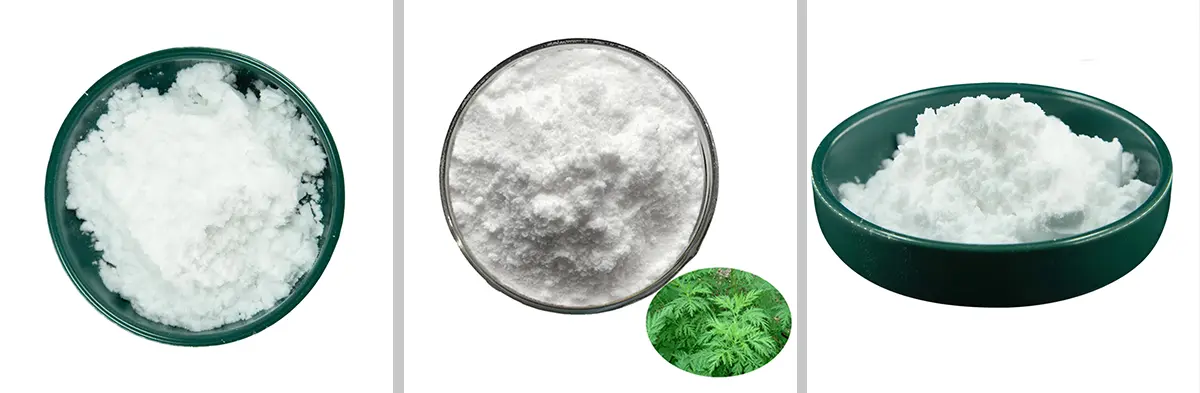
Currently, artemisinin-based combination therapy (ACT) achieves a global malaria treatment efficacy exceeding 90%, leading to its widespread worldwide adoption. The compound delivers a potent and rapid parasitic clearance effect targeting the erythrocytic phase of Plasmodium, enabling swift clinical control of acute malarial episodes and symptoms. Furthermore, it exhibits notable therapeutic efficacy across a diverse array of conditions, including avian coccidiosis, porcine eperythrozoonosis, toxoplasmosis, traditional yin deficiency fever, damp-heat jaundice,Plasmodium vivax malaria, severe malaria, cerebral malaria, and chloroquine-resistant malarial strains.
Parameters
| Melting point | 156-157 °C (lit.) |
| alpha | 76 º (c=0.5,MeOH) |
| Boiling point | 344.94°C (rough estimate) |
| density | 1.0984 (rough estimate) |
| refractive index | 75 ° (C=0.5, MeOH) |
| storage temp. | -20°C |
| solubility | Soluble to 100mM in DMSO and to 75mM in ethanol |
| form | White to off-white crystalline solid. |
| color | Needles |
| optical activity | [α]20/D +76°, c = 0.5 in methanol |
| Merck | 14817 |
| Stability: | Stable. Combustible. Incompatible with strong oxidizing agents, acids, acid chlorides, acid anhydrides. May absorb, and react with, carbon dioxide from the air. |
| InChI | InChI=1S/C15H22O5/c1-8-4-5-11-9(2)12(16)17-13-15(11)10(8)6-7-14(3,18-13)19-20-15/h8-11,13H,4-7H2,1-3H3/t8-,9-,10+,11+,13-,14-,15-/m1/s1 |
| InChIKey | BLUAFEHZUWYNDE-NNWCWBAJSA-N |
| SMILES | O1[C@]23[C@@]4([H])O[C@@](C)(CC[C@@]2([H])[C@H](C)CC[C@@]3([H])[C@@H](C)C(=O)O4)O1 |
| LogP | 2.9 |
Safety Information
| Safety Statements | 22-24/25 |
| WGK Germany | 2 |
| RTECS | KD4170000 |
| HS Code | 29322985 |
| Toxicity | LD50 in mice (mg/kg): 5105 orally; 2800 i.m.; 1558 i.p. (Koch); LD50 in mice, rats (mg/kg): 4228, 5576 orally; 3840, 2571 i.m. (China Cooperative Research Group on Qinghaosu) |