
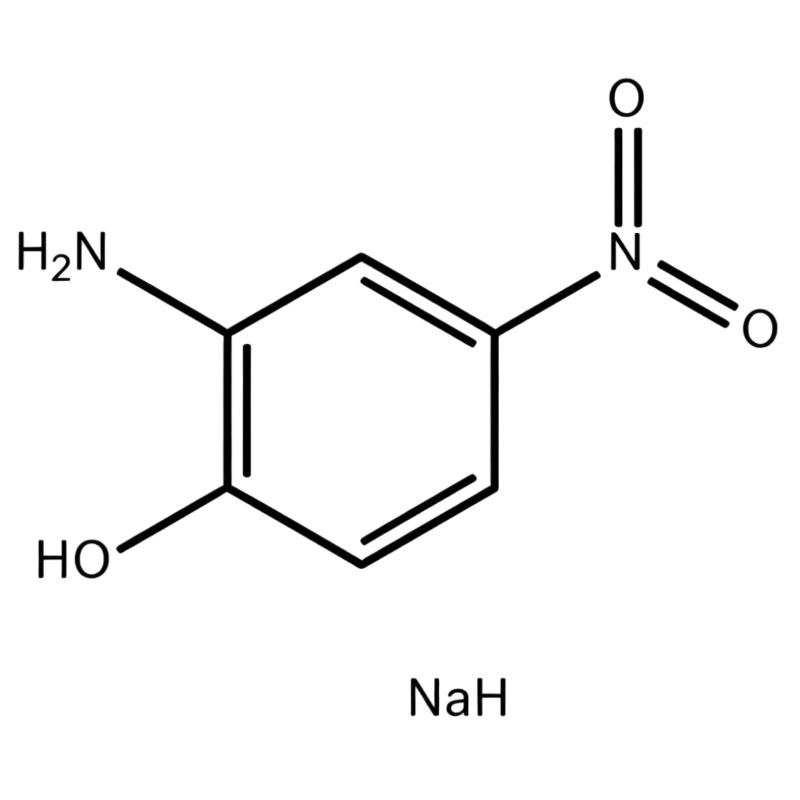
Products Description
Sodium 2-amino-4-nitrophenolate, CAS#61702-43-0, is categorized as a hazardous substance. Strict safety precautions are required throughout handling, storage and transfer operations. Direct contact with this material may lead to skin irritation and serious eye irritation. Inhalation of its dust or fine particles must be prevented, as it may irritate the respiratory tract. Suitable personal protective equipment (PPE), including chemical-resistant gloves, safety goggles or face shields, and dust respirators, shall be worn at all times when handling the product. Avoid dust generation, maintain adequate ventilation in the working area, and follow standard chemical operating procedures.
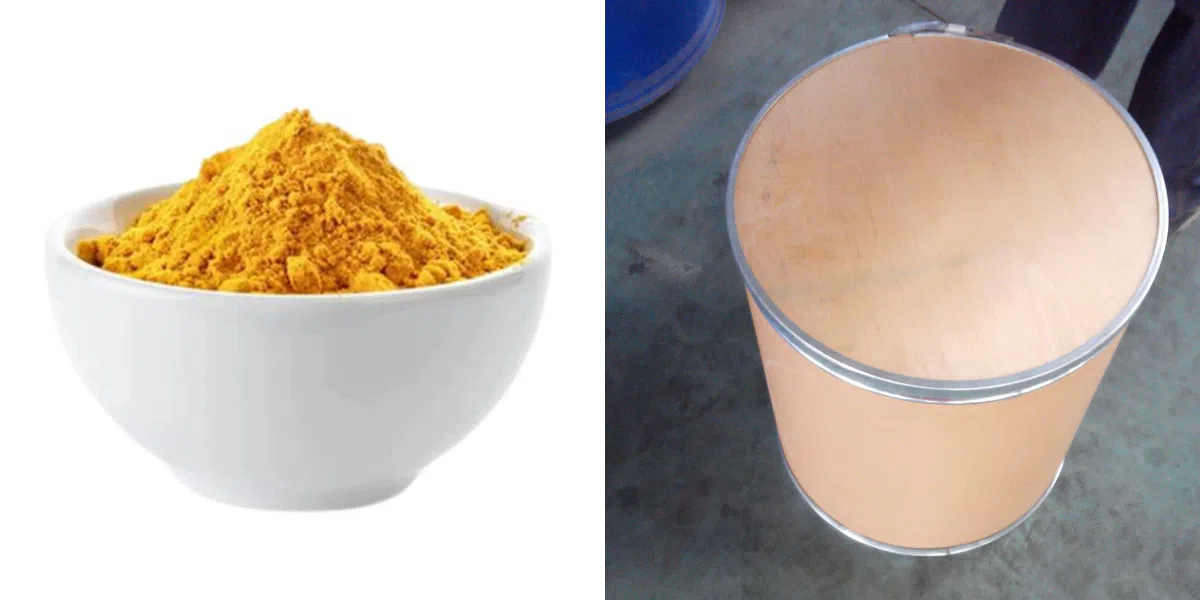
Sodium 2-amino-4-nitrophenolate CAS#61702-43-0 Chemical Properties
| Melting point | 80~90℃ |
| Boiling point | 368° |
| storage temp. | Keep in dark place,Inert atmosphere,Room temperature |
| InChI | InChI=1S/C6H6N2O3.Na.H/c7-5-3-4(8(10)11)1-2-6(5)9;;/h1-3,9H,7H2;; |
| InChIKey | CSSZGUZOYRNYPQ-UHFFFAOYSA-N |
| SMILES | N(C1C=CC(O)=C(N)C=1)(=O)=O.[NaH] |
| CAS DataBase Reference | 61702-43-0(CAS DataBase Reference) |
| EPA Substance Registry System | Phenol, 2-amino-4-nitro-, monosodium salt (61702-43-0) |
Sodium 2-amino-4-nitrophenolate is manufactured by alkaline neutralization of 2-amino-4-nitrophenol using sodium hydroxide or sodium carbonate in aqueous or alcoholic solutions. The starting material 2-amino-4-nitrophenol is generally prepared through selective partial reduction of 2,4-dinitrophenol with sodium sulfide or other selective reducing agents, followed by acidic post-treatment. The obtained 2-amino-4-nitrophenol is dissolved in alkaline solution to generate its sodium salt, which is separated via evaporation, crystallization or spray drying. Another feasible synthesis route is the controlled nitration of o-aminophenol derivatives, yet it is rarely adopted in mass production because of unsatisfactory reaction selectivity. The commercial product is a dark crystalline powder with a purity of ≥98%.
1.Dye and Pigment Intermediates:It functions as a critical intermediate for manufacturing azo dyes, mordant dyes and acid dyes, mainly applied for coloration of textiles and leather. It helps achieve targeted color shade and favorable fastness performance.
2.Photographic Chemicals:It can be incorporated into selected photographic developer recipes and acts as a color coupler intermediate for silver halide photographic systems.
3.Corrosion Inhibitors:Added to certain industrial coating systems to deliver metal anti-corrosion performance.
4.Organic Synthesis:Thanks to its reactive amino and nitro groups, it is a valuable molecular building block for synthesizing pharmaceuticals, agrochemicals and other fine chemicals.
Sodium 2-amino-4-nitrophenolate irritates skin and eyes. Long‑term or repeated contact may result in sensitization or dermatitis. Breathing in dust will irritate the respiratory tract. Swallowing the product is harmful; its nitroaromatic group may induce methemoglobinemia.
The substance can burn. Thermal breakdown releases toxic fumes containing nitrogen oxides (NOₓ) and carbon monoxide. Dust mixed with air is capable of forming explosive mixtures in certain circumstances. Ensure sufficient local exhaust ventilation and wear PPE: gloves, safety goggles and dust masks. If specified by local standards, the 8‑h TWA occupational exposure limit for the parent amine or dust falls between 1–5 mg/m³.
Store in cool, dry, ventilated premises, separated from strong oxidants, acids and ignition sources. Seal containers tightly against moisture. It may be treated as an environmentally hazardous substance during shipment. Follow IATA, IMDG and other transport codes for correct packaging and labeling.
Upstream Raw Materials:The major feedstocks for manufacturing this product cover 2,4‑Dinitrophenol (CAS# 51‑28‑5) and 2‑Amino‑4‑nitrophenol (CAS# 99‑57‑0). Sodium Hydroxide or Sodium Carbonate (CAS# 497‑19‑8) are adopted for salt‑forming neutralization. Meanwhile, reducing agents represented by sodium sulfide are required for the synthesis of its precursor intermediate.
Downstream Applications & Derivatives:This compound mainly serves as a building‑block for producing multiple azo dyes, acid dyes and pigment derivatives. Besides, it acts as an intermediate for selected pharmaceutical molecules, photographic couplers and a variety of specialty fine organic chemicals.


