
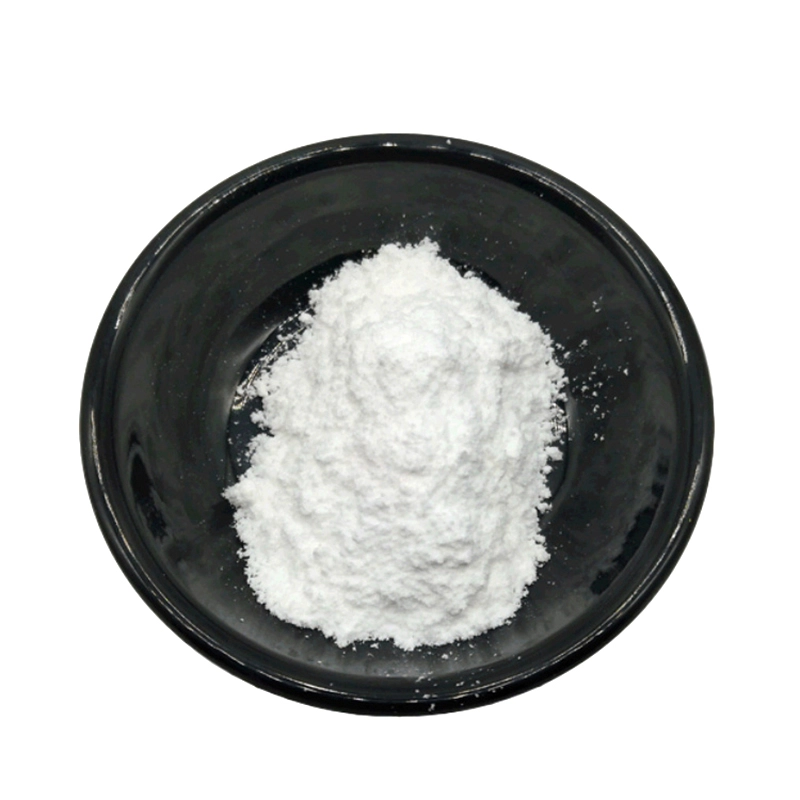
Products Description of Sodium benzoate CAS#532-32-1
In 1870, British scientist H. Fleck discovered and documented the antiseptic properties of sodium benzoate while searching for an acid substitute for salicylic acid. He confirmed its antiseptic activity. Nevertheless, due to limited safety‑related research and immature manufacturing techniques at that time, sodium benzoate was not adopted for food preservation until the early 20th century. Thanks to its cost‑competitive advantage, it has since grown into one of the most widely‑utilized preservatives across the globe.
Sodium benzoate is a prevalent food preservative within China’s food‑processing industry. It is virtually odorless or bears a faint benzoin‑like aroma, with a sweet‑astringent taste. The compound remains stable under ambient air conditions yet is capable of absorbing moisture upon prolonged air exposure.
Sodium benzoate occurs naturally in blueberries, apples, plums, cranberries, prunes, cinnamon and cloves. Its bactericidal potency is lower than that of benzoic acid: 1.180 g of sodium benzoate delivers roughly the same bactericidal effect as 1 g of benzoic acid. It exhibits pronounced inhibitory activity against diverse microorganisms under acidic conditions. At pH 3.5, a 0.05 % concentration can fully suppress yeast proliferation. However, its performance against numerous molds and yeasts declines markedly when pH rises above 5.5, and it shows barely any inhibitory effect in alkaline media.
Upon ingestion by humans, sodium benzoate undergoes biological transformation: it conjugates with glycine to generate hippuric acid, or binds with glucuronic acid to form glucuronide metabolites. These metabolites are entirely eliminated via urinary excretion without bodily accumulation. Within permitted dosage limits, it exerts no toxic impacts on human health, classifying it as a relatively safe preservative. It finds application in carbonated beverages, concentrated fruit juices, margarine, gum base, jams, jellies, soy sauce and other products. Its acceptable daily intake (ADI) for humans is less than 5 mg per kilogram of body weight, calculated on a benzoic‑acid basis.
Sodium benzoate Chemical Properties
| Melting point | >300 °C (lit.) |
| density | 1,44 g/cm3 |
| vapor pressure | 0Pa at 20℃ |
| FEMA | 3025 | SODIUM BENZOATE |
| Fp | >100°C |
| storage temp. | room temp |
| solubility | H2O: 1 M at 20 °C, clear, colorless |
| pka | 4.03[at 20 ℃] |
| form | Crystals, Granules, Flakes or Crystalline Powder |
| color | White |
| PH | 7.0-8.5 (25℃, 1M in H2O) |
| Odor | odorless |
| Water Solubility | soluble |
| Merck | 14,8582 |
| BRN | 3572467 |
| Stability: | Stable, but may be moisture senstive. Incompatible with strong oxidizing agents, alkalis, mineral acids. |
| InChIKey | WXMKPNITSTVMEF-UHFFFAOYSA-M |
| LogP | 1.88 |
| CAS DataBase Reference | 532-32-1(CAS DataBase Reference) |
| NIST Chemistry Reference | Sodium benzoate(532-32-1) |
| EPA Substance Registry System | Sodium benzoate (532-32-1) |


