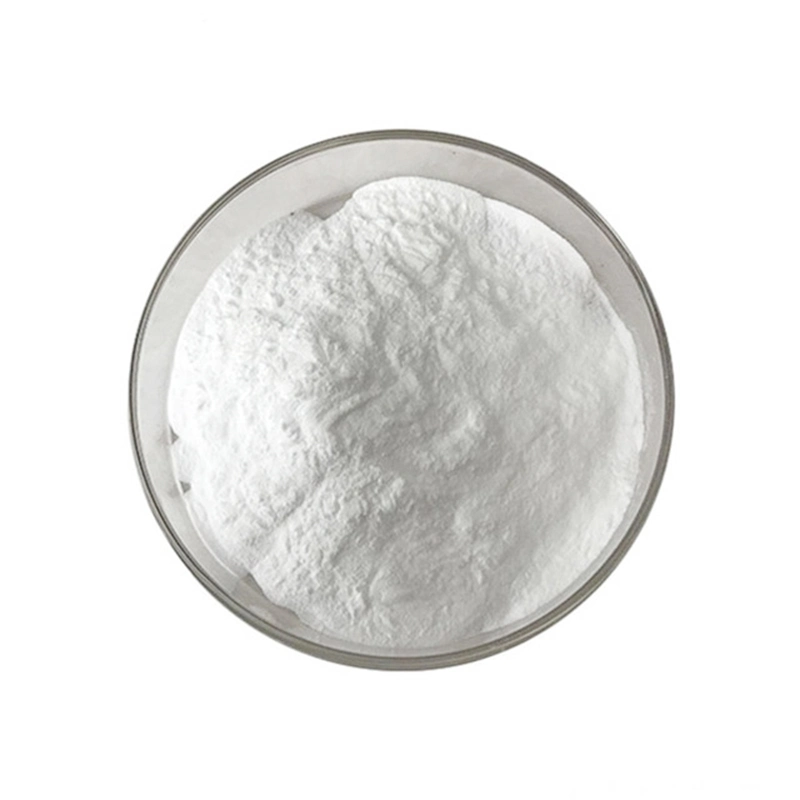
Progesterone (P4), chemically designated as pregnant-4-ene-3,20-dione or luteal hormone, is an essential endogenous 21-carbon steroid hormone primarily synthesized by the ovaries. Serving as a crucial precursor in total steroid hormone biosynthesis, it plays a fundamental regulatory role in the menstrual cycle, gestational maintenance, and embryogenesis.
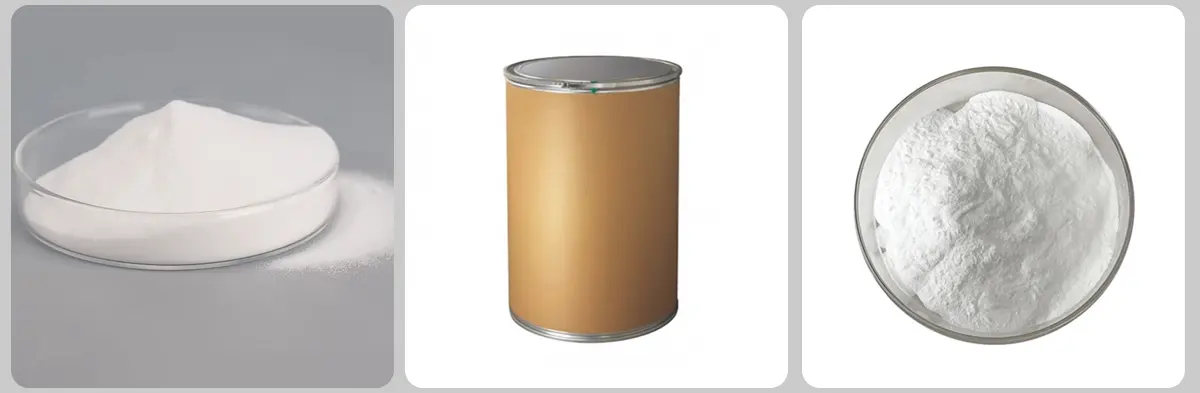
Progesterone occurs in two distinct crystalline polymorphs—the alpha-type and beta-type—both of which display identical physiological activity. The alpha modification precipitates from dilute ethanol as orthorhombic white prisms, whereas the beta variant forms orthorhombic white needles. Although insoluble in water, progesterone readily dissolves in various media, including ethanol, ether, chloroform, acetone, dioxane, and concentrated sulfuric acid.

Parameters
| Melting point | 128-132 °C (lit.) |
| alpha | 186 º (c=1, ethanol) |
| Boiling point | 394.13°C (rough estimate) |
| density | d23 1.166; d20 1.171 |
| refractive index | 182 ° (C=2, Dioxane) |
| Fp | 2℃ |
| storage temp. | room temp |
| solubility | H2O: 25 mg/mL, may be clear to slightly hazy |
| form | powder |
| color | Yellow to yellow-brown |
| biological source | synthetic (organic) |
| Water Solubility | <0.1 g/100 mL at 19 ºC |
| Merck | 7773 |
| BRN | 1915950 |
| BCS Class | 4 |
| Stability: | Stable. Incompatible with strong oxidizing agents. |
| InChIKey | RJKFOVLPORLFTN-LEKSSAKUSA-N |
| LogP | 3.87 |
| CAS DataBase Reference | 57-83-0(CAS DataBase Reference) |
| NIST Chemistry Reference | Progesterone(57-83-0) |
| EPA Substance Registry System | Progesterone (57-83-0) |
Safety Information
| Hazard Codes | Xn,T,F |
| Risk Statements | 40-45-62-36-20/21/22-11 |
| Safety Statements | 36/37-45-53-16 |
| RIDADR | UN 1648 3 / PGII |
| WGK Germany | 3 |
| RTECS | TW0175000 |
| HS Code | 29372390 |
| Hazardous Substances Data | 57-83-0(Hazardous Substances Data) |
| Toxicity | LD50 intraperitoneal in rat: 327mg/kg |