
Products Description of Thiourea CAS#62-56-6
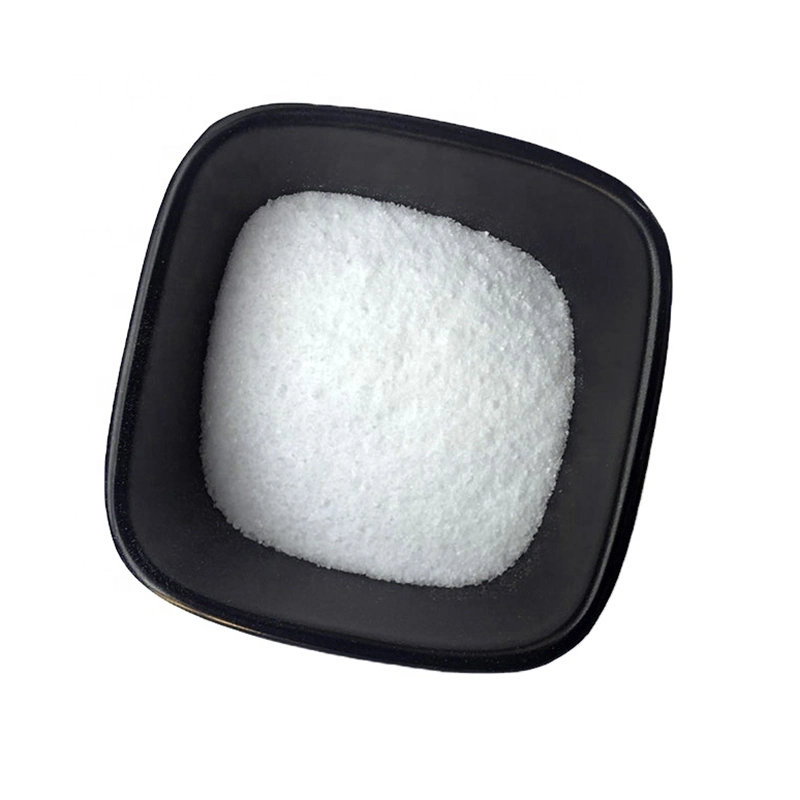
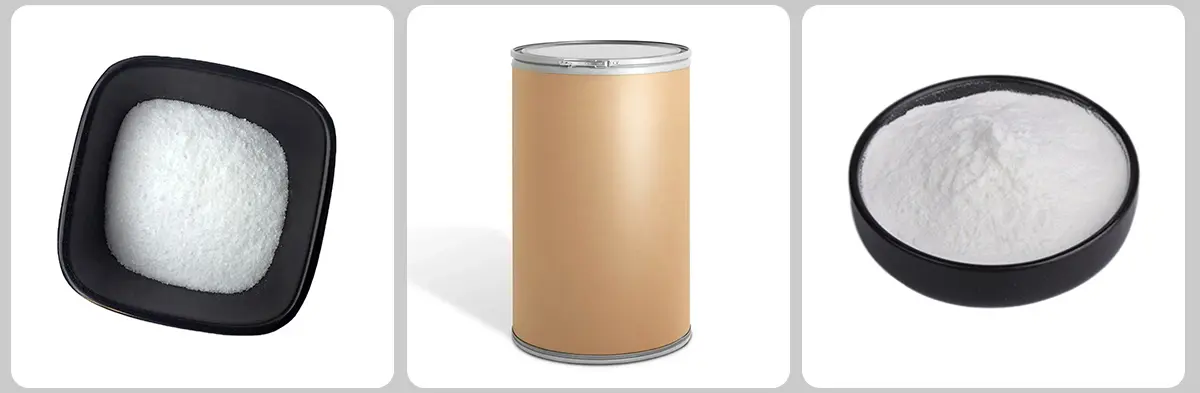
Thiourea appears as white, shiny crystalline solid with a bitter taste. It dissolves in cold water and 2‑(2‑tert‑butylaminoethoxy)ethanol, while showing only slight solubility in ether. The substance is hygroscopic and tends to take‑up moisture from ambient air. Upon heating to 150 °C, it rearranges into ammonium thiocyanate. Possessing reducing characteristics, thiourea is capable of reducing elemental iodine into iodide ions.
Thanks to its high chemical activity, thiourea is a versatile building‑block for synthesizing diverse chemical substances. It reacts with various oxidizing reagents to yield organic products, and can form highly‑soluble adducts through interactions with inorganic substances.
Thiourea holds extensive application value within petrochemical and pharmaceutical sectors. Numerous pharmaceutical molecules incorporate thiourea structural moieties, and the compound acts as a vital intermediate for constructing heterocyclic frameworks. Representative examples cover multiple oral hypoglycemic agents and antithyroid medications that feature thiourea‑derived structures. Besides, thiourea‑based chemicals display insecticidal effects and see substantial adoption in pesticide manufacturing.
Within organic synthetic workflows, thiourea generates a series of derivatives including methylthiourea, diethylthiourea, diphenylthiourea as well as thiourea dioxide. Moreover, it functions as a catalyst for manufacturing phthalic anhydride and fumaric acid. Industrially, it participates in manufacturing fast‑setting epoxy curing agents and synthetic resin coatings, alongside poly(methylstyrene‑co‑indene)‑based anion‑exchange resins. It can also work as a toughening modifier for melamine‑formaldehyde resin adhesives.
For photographic processes, thiourea acts as a developer, toner and reducing agent for azo‑based photosensitive paper. Its further industrial spectrum encompasses rubber vulcanization accelerators, mineral flotation reagents, dyeing auxiliaries, processing additives for fabrics, nylon and polyester fibers, paper‑treatment chemicals, electroplating additives and metal anti‑rust inhibitors. It additionally finds usage in insecticide formulations, fertilizer‑related products and many other chemical end‑goods.
Thiourea Chemical Properties
| Melting point | 170-176 °C (lit.) |
| Boiling point | 263.89°C (estimate) |
| density | 1.405 |
| refractive index | 1.5300 (estimate) |
| storage temp. | Store below +30°C. |
| solubility | water: soluble137g/L at 20°C |
| form | Crystals |
| pka | -1.0(at 25℃) |
| Specific Gravity | 1.406 |
| color | White to almost white |
| Odor | Odorless |
| PH Range | 46149 |
| PH | 6-8 (50g/l, H2O, 20℃) |
| Water Solubility | 13.6 g/100 mL (20 ºC) |
| Merck | 149367 |
| BRN | 605327 |
| Stability: | Stable. Incompatible with strong acids, strong bases, strong oxidizing agents, metallic salts, proteins, hydrocarbons. May react violently with acrolein. |
| InChIKey | UMGDCJDMYOKAJW-UHFFFAOYSA-N |
| LogP | -1.050 (est) |
| CAS DataBase Reference | 62-56-6(CAS DataBase Reference) |
| IARC | 3 (Vol. Sup 7, 79) 2001 |
| NIST Chemistry Reference | Thiourea(62-56-6) |
| EPA Substance Registry System | Thiourea (62-56-6) |
| Hazard Codes | Xn,N,Xi |
| Risk Statements | 22-40-51/53-63-43-38 |
| Safety Statements | 36/37-61 |
| RIDADR | UN 2811 6.1/PG 3 |
| WGK Germany | 2 |
| RTECS | YU2800000 |
| Autoignition Temperature | 440 °C Dust |
| TSCA | Yes |
| HazardClass | 6.1 |
| PackingGroup | III |
| HS Code | 29309070 |
| Hazardous Substances Data | 62-56-6(Hazardous Substances Data) |
| Toxicity | LD50 orally in wild Norway rats: 1830 mg/kg (Dieke) |
Product Application of Thiourea CAS#62-56-6
Pharmaceutical & Dye‑Related Manufacturing:Thiourea is an essential feedstock to produce medicines including sulfathiazole, methionine and pig‑fat tablets. It is also applied in the production of dyes, dyeing auxiliaries, resins and compression powders.
Rubber, Mineral Processing & Chemical Catalysis:In rubber production, it acts as a vulcanization accelerator. For mineral processing, it works as a flotation agent for metal ores. It can also catalyze the synthesis of phthalic anhydride and fumaric acid, and deliver metal corrosion‑inhibiting performance.
Photography, Electroplating & Resin Production:It is utilized as developer and toner for photography. Other relevant fields include electroplating, as well as the manufacturing of diazo‑sensitive paper, synthetic resin coatings and anion‑exchange resins.
Agricultural End‑uses:Thiourea can be formulated as a germination‑boosting agent, fungicide and fertilizer.


