
Product Description
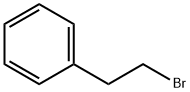
(2-Bromoethyl)benzene, also known as phenethyl bromide or 1-bromo-2-phenylethane, is an organic halide with the molecular formula C₈H₉Br and a molecular weight of approximately 185.06 g/mol. It is used primarily as a chemical intermediate in organic synthesis.
Organic synthesis and chemical research
Preparation of substituted aromatic compounds
Laboratory research involving organic halides
Development of specialty organic intermediates
Product Manufacturing Process
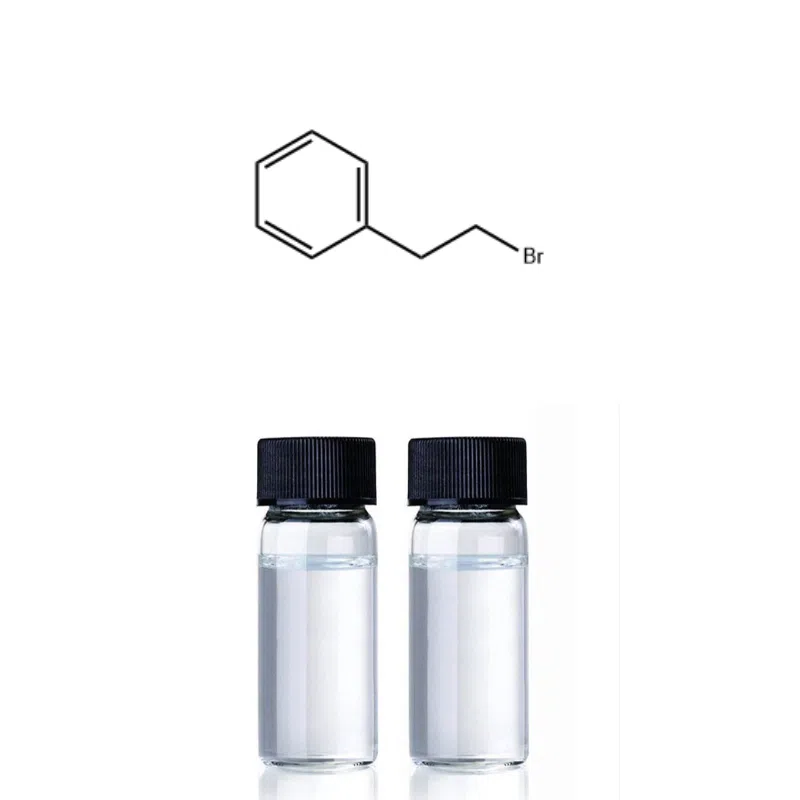
This compound can be produced through established organic synthesis methods, typically involving the selective introduction of bromine into an appropriate precursor under controlled conditions. The core reaction is generally a bromination step, in which a halogenating agent reacts with the starting material at a specific temperature, solvent system, and reaction time to achieve the desired substitution. Following the main reaction, the crude product undergoes a series of purification steps — such as washing, distillation, crystallization, or column chromatography — to remove by‑products, residual reagents, and impurities. The final material may then be characterized and quality‑controlled using techniques such as GC, HPLC, or NMR to confirm identity and assay. Because both the production route and the process parameters are manufacturer‑specific, the exact reaction scheme, purification protocol, and the achieved purity grade will vary from one supplier to another.

Safety and Storage
Handle according to the supplier's SDS and applicable laboratory procedures.
Avoid contact with eyes and skin; the substance can cause serious eye irritation.
Harmful if swallowed.
Use suitable chemical-resistant gloves, eye protection, and adequate ventilation.
Store in a tightly closed, properly labeled container under the conditions specified by the supplier.
Dispose of waste in accordance with applicable chemical-waste regulations.


