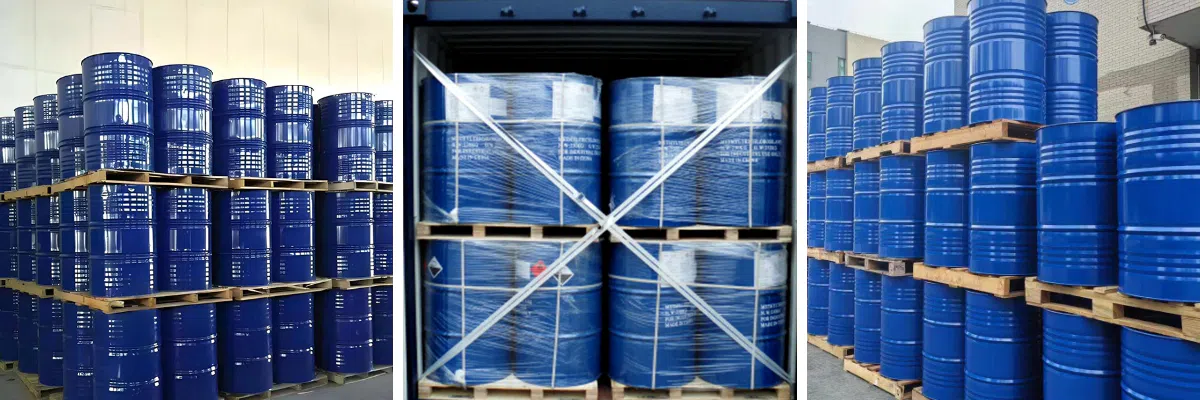
3-METHYLPYRIDAZINE CAS#1632-76-4 Product Description
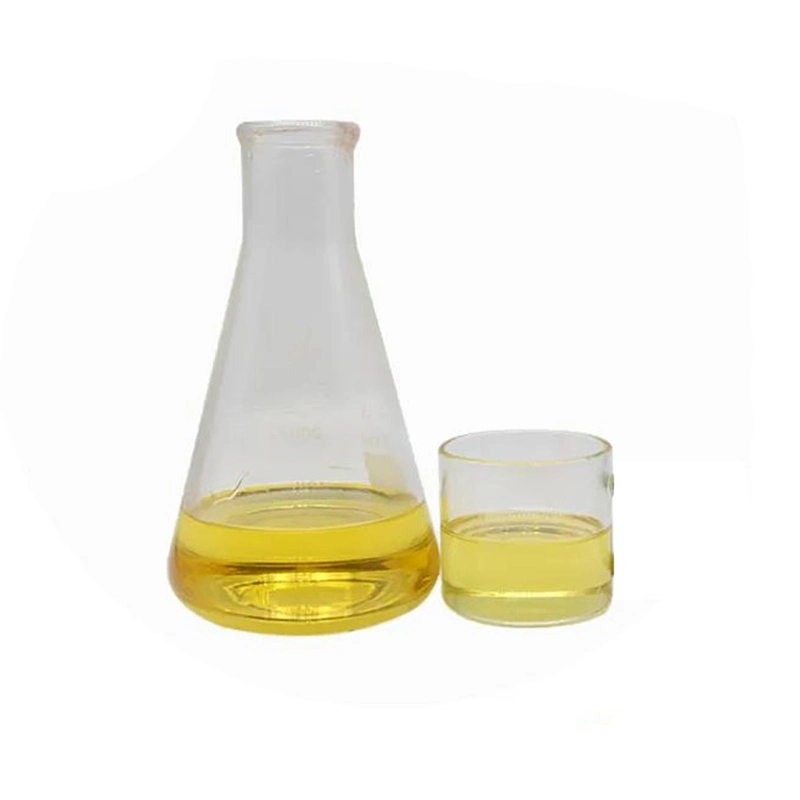
3-Methylpyridazine (CAS No. 1632-76-4) is a nitrogen-containing heterocyclic organic compound with the molecular formula C₅H₆N₂ and a molecular weight of 94.11 g/mol. It typically appears as a clear yellow liquid and has a reported boiling point of approximately 214 °C. Owing to the presence of two nitrogen atoms within its pyridazine ring, this compound exhibits coordination properties that make it useful in inorganic and coordination chemistry research. It can act as a nitrogen-donor ligand in the formation of metal complexes, including complexes with halogenotrimethylplatinum(IV) and copper(II), making it a valuable compound for investigating metal–ligand interactions and the synthesis of coordination compounds.

3-METHYLPYRIDAZINE CAS#1632-76-4 Chemical Properties
| Melting point | 184°C |
| Boiling point | 214 °C (lit.) |
| density | 1.031 g/mL at 25 °C (lit.) |
| refractive index | n20/D 1.514(lit.) |
| Fp | 190 °F |
| storage temp. | Inert atmosphere,Room Temperature |
| solubility | Chloroform, Methanol (Slightly) |
| pka | 3.47±0.10(Predicted) |
| form | Liquid |
| color | Clear yellow to brown |
| Specific Gravity | 1.031 |
| BRN | 105691 |
| InChIKey | MXDRPNGTQDRKQM-UHFFFAOYSA-N |
| CAS DataBase Reference | 1632-76-4(CAS DataBase Reference) |
3-METHYLPYRIDAZINE CAS#1632-76-4 Safety Information
| Hazard Codes | Xi |
| Risk Statements | 36/37/38 |
| Safety Statements | 26-36/37/39 |
| WGK Germany | 3 |
| HS Code | 29339980 |
3-METHYLPYRIDAZINE CAS#1632-76-4 Product Application
3-Methylpyridazine is a nitrogen-containing heterocyclic organic compound that serves as a useful building block in organic synthesis and chemical research. Owing to its pyridazine ring structure and methyl substituent, it provides a versatile starting material for the preparation of various substituted pyridazine derivatives and other functionalized heterocyclic compounds. It is commonly employed as a synthetic intermediate in laboratory research, organic transformations, and the development of novel nitrogen-containing molecules.