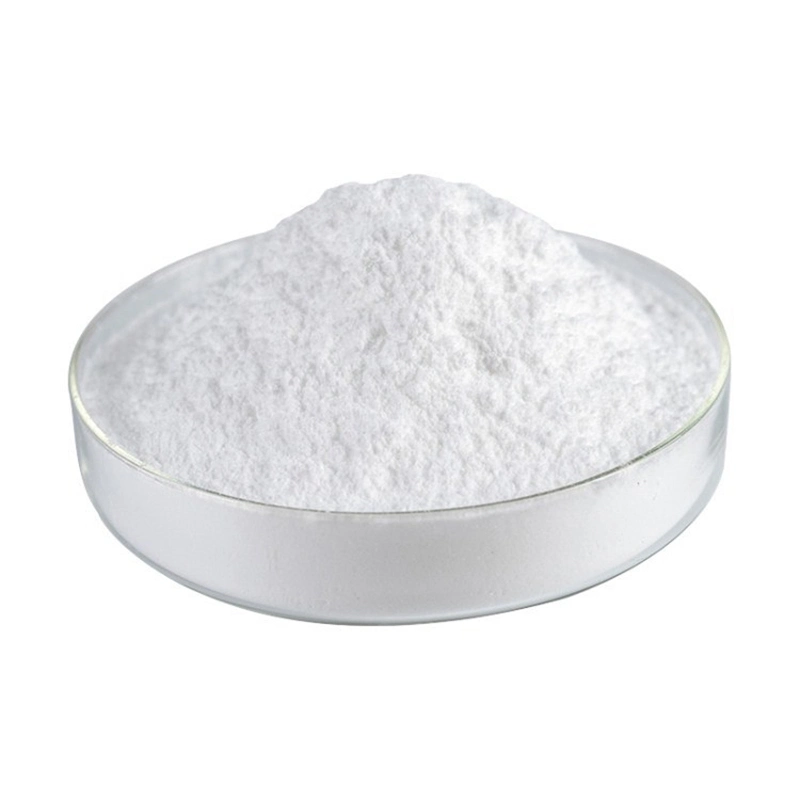
Dihydroartemisinin displays robust pharmacological activity against asexual-stage Plasmodium parasites, successfully suppressing clinical symptoms and eradicating diverse Plasmodium strains throughout their asexual reproductive cycle. Furthermore, it demonstrates substantial therapeutic efficacy against both chloroquine- and piperaquine-resistant strains of Plasmodium falciparum while preserving an encouraging safety profile. Although animal investigations indicate that administration during gestation in murine models may elevate the incidence of fetal variations, no overt teratogenic malformations have been observed.
Exhibiting exceptional oral bioavailability, this compound attains peak plasma concentrations ($C_{\text{max}}$) of $0.71\,\mu\text{g/mL}$ at $1.33$ hours ($t_{\text{max}}$) following an oral administration of $2\,\text{mg/kg}$. From a clinical perspective, it is utilized for the treatment of all clinical manifestations of malaria, holding particular significance in the emergency management of cerebral malaria as well as severe cases of chloroquine- and piperaquine-resistant Plasmodium falciparum infections.

Parameters
| Melting point | 142-144°C |
| Boiling point | 375.6±42.0 °C(Predicted) |
| density | 1.24±0.1 g/cm3(Predicted) |
| storage temp. | 2-8°C |
| solubility | Chloroform (Slightly), DMSO (Slightly), Ethyl Acetate (Slightly), Methanol (Slightly) |
| form | Solid |
| pka | 12.61±0.70(Predicted) |
| color | White to Off-White |
Safety Information
| alpha-Dihydroartemisinin Usage And Synthesis | |
| Chemical Properties | White needle like crystal |
| Uses | antimalarial, antiinflammatory |
| Definition | ChEBI: Dihydroartemisinin (DHA) is an artemisinin derivative. |
| target | Antifection |