6-Bromo-2-Methylquinoline CAS#877-42-9 Product Description
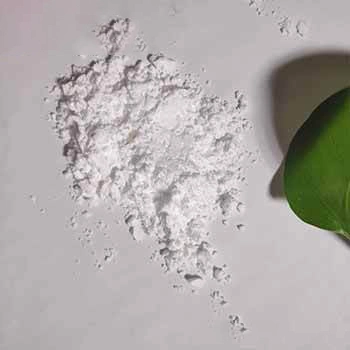
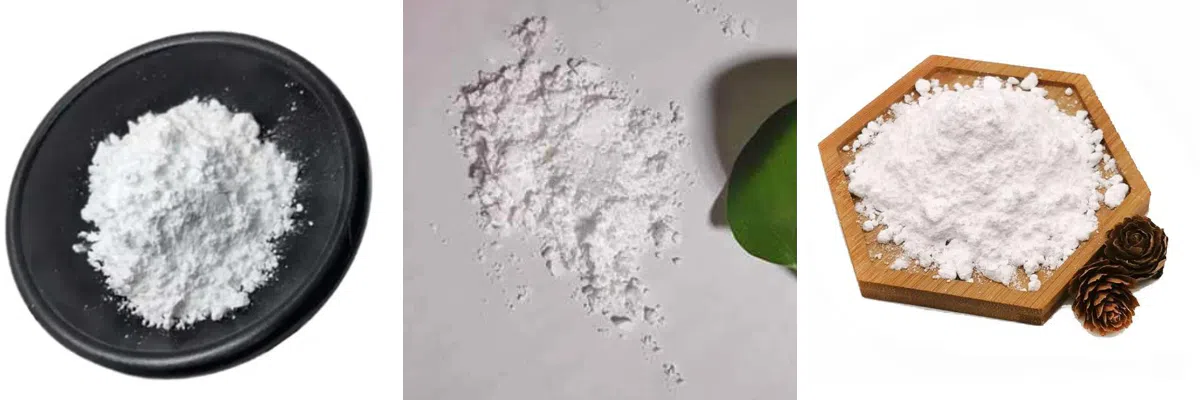
6-Bromo-2-methylquinoline, also referred to as 6-bromoquinaldine, is a brominated quinoline derivative with the molecular formula C₁₀H₈BrN and a molecular weight of 222.08 g/mol. It typically occurs as a white to pale yellow crystalline solid. The compound has an estimated density of 1.5 ± 0.1 g/cm³, a melting point ranging from 101 to 105°C, and a boiling point of approximately 299.7 ± 20.0°C at a pressure of 760 mmHg. As a substituted nitrogen-containing heterocyclic compound, 6-Bromo-2-methylquinoline possesses a characteristic quinoline ring structure with both bromine and methyl substituents, making it a useful chemical building block for further organic synthesis and the preparation of various quinoline-based derivatives.
6-Bromo-2-Methylquinoline CAS#877-42-9 Chemical Properties
| Melting point | 101-105 °C (lit.) |
| Boiling point | 299.7±20.0 °C(Predicted) |
| Density | 1.488±0.06 g/cm3(Predicted) |
| Storage temp. | Sealed in dry,Room Temperature |
| Solubility | Methanol[soluble in] |
| Solubility | soluble in Methanol |
| Pka | 5.02±0.43(Predicted) |
| Form | solid |
| Color | Grey |
| InChIKey | SQRYQSKJZVQJAY-UHFFFAOYSA-N |
| CAS DataBase Reference | 877-42-9(CAS DataBase Reference) |
| NIST Chemistry Reference | 6-Bromoquinaldine(877-42-9) |
6-Bromo-2-Methylquinoline CAS#877-42-9 Safety Information
| Hazard Codes | Xn,Xi |
| Risk Statements | 22-37/38-42-36/37/38-20/21/22 |
| Safety Statements | 26-39-36/37/39-24/25-22 |
| WGK Germany | 3 |
| Hazard Note | Irritant |
| HS Code | 29339900 |
6-Bromo-2-Methylquinoline CAS#877-42-9 Product Application
6-Bromo-2-methylquinoline is an important heterocyclic building block widely employed as a pharmaceutical intermediate in organic synthesis and medicinal chemistry. It serves as a versatile starting material for the preparation of various quinoline-based derivatives and other structurally complex organic compounds. Owing to its brominated quinoline framework and reactive chemical structure, it provides opportunities for further functionalization and chemical modification, making it a valuable intermediate in pharmaceutical research, chemical development, and the synthesis of specialized organic molecules.