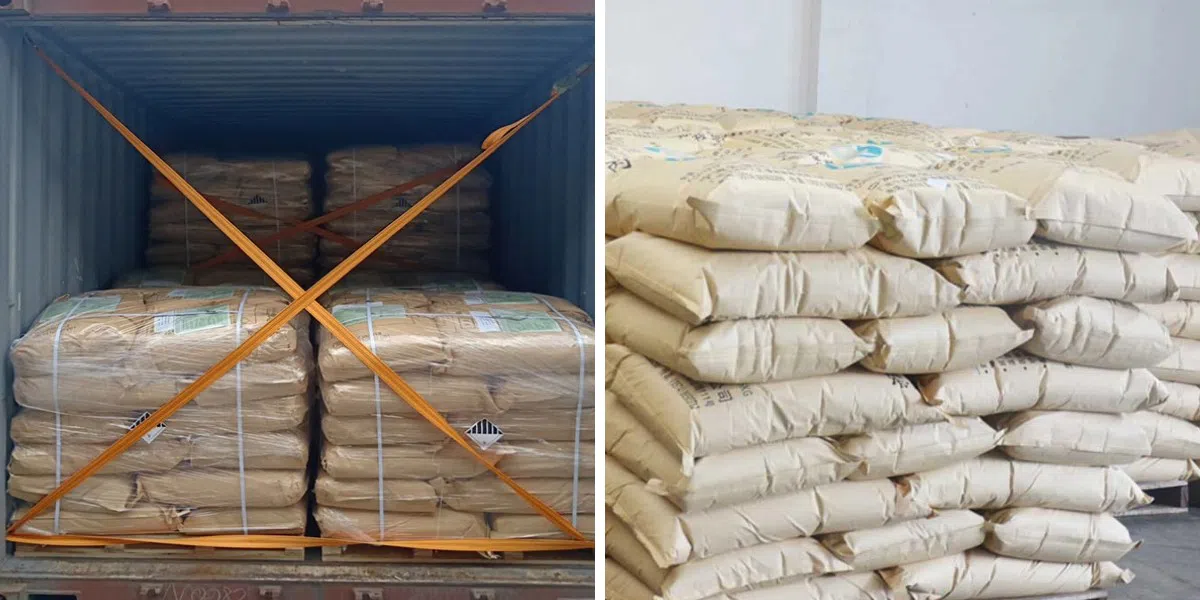
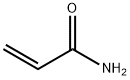
Acrylamide CAS#1979-6-1 Product Description
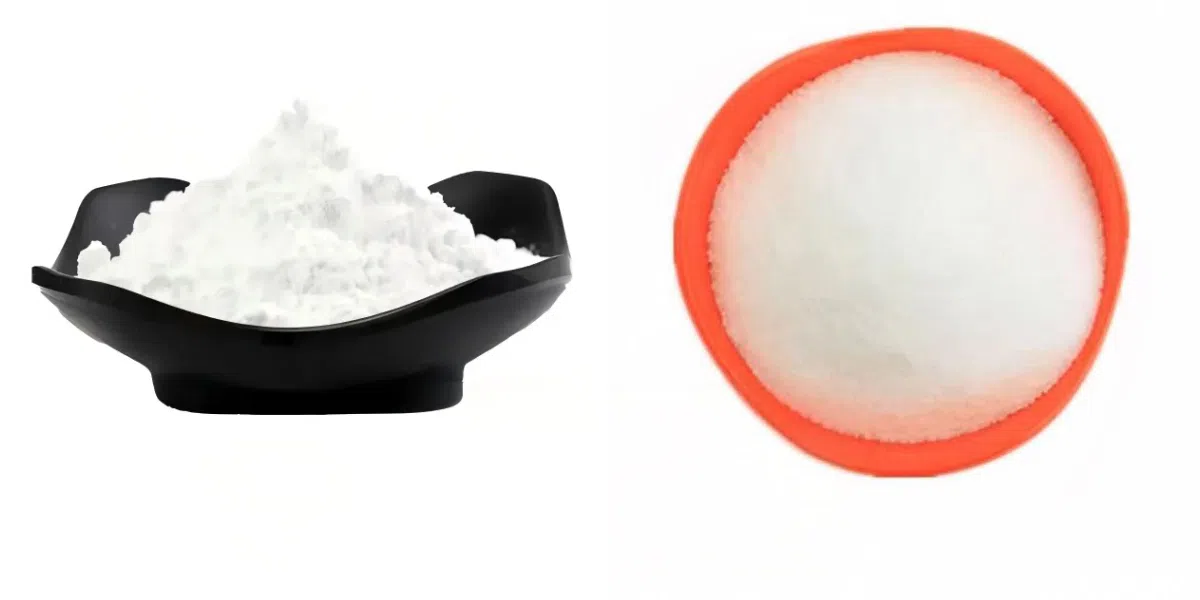
Acrylamide is an important organic monomer widely used in chemical synthesis, characterized by its high reactivity and distinctive physical properties. Under normal room-temperature conditions, it appears as a white crystalline solid. High-purity acrylamide is typically odorless, whereas industrial-grade products may exhibit a slight yellowish tint or a mild pungent odor due to trace impurities. Its crystals are hygroscopic and readily absorb moisture from the surrounding air, which can cause them to soften and, under sufficient moisture exposure, gradually dissolve.
Acrylamide CAS#1979-6-1 Chemical Properties
| Melting point | 82-86 °C(lit.) |
| Boiling point | 125 °C25 mm Hg(lit.) |
| density | 1,322 g/cm3 |
| bulk density | 500kg/m3 |
| vapor density | 2.45 (vs air) |
| vapor pressure | 0.03 mm Hg ( 40 °C) |
| refractive index | 1.460 |
| Fp | 138 °C |
| storage temp. | 2-8°C |
| solubility | 2040 g/L (25°C) |
| form | powder |
| pka | 15.35±0.50(Predicted) |
| color | White |
| Odor | Odorless solid |
| PH | 5.0-7.0 (50g/l, H2O, 20℃) |
| Water Solubility | Acrylamide is routinely tested at 250 mg/mL in water, giving a clear colorless solution. It is soluble at least to 40% (w/v) in water, and reportedly up to 215 g/100 mL in water at 30°C. |
| Sensitive | Light Sensitive |
| Merck | 14,129 |
| BRN | 605349 |
| Henry's Law Constant | (x 10-9 atm?m3/mol): 3.03 at 20 °C (approximate - calculated from water solubility and vapor pressure) |
| Exposure limits | Potential occupational carcinogen. NIOSH REL: TWA 0.03, IDLH: 60; OSHA PEL: TWA 0.3; ACGIH TLV: TWA 0.03. |
| Stability: | Unstable. Do not heat above 50C. Explosive. Incompatible with acids, bases, oxidizing agents, reducing agents, iron and iron salts, copper, aluminium, brass, free radical initiators. Air sensitive. Hygroscopic. |
| InChIKey | HRPVXLWXLXDGHG-UHFFFAOYSA-N |
| LogP | -0.9 at 20℃ and pH7 |
| CAS DataBase Reference | 79-06-1(CAS DataBase Reference) |
| NIST Chemistry Reference | Acrylamide(79-06-1) |
| IARC | 2A (Vol. 60, Sup 7) 1994 |
| EPA Substance Registry System | Acrylamide (79-06-1) |
Acrylamide CAS#1979-6-1 Product Application
1. Petroleum Extraction
Ultra-high molecular weight anionic polyacrylamide (PAM) is used as an enhanced oil recovery (EOR) agent. It increases the viscosity of injected water, expands the sweep efficiency of water flooding, and boosts crude oil recovery rates. It also serves as a viscosifier for drilling fluids, an agent for profile control and water shutoff, a friction reducer for hydraulic fracturing, and a flocculant for oilfield sludge sedimentation. There is significant demand from clients in the Middle East, Russia, and Latin America.
Anionic, cationic, and non-ionic PAM flocculants are produced for solid-liquid separation and sludge dewatering in municipal sewage and industrial wastewater (from sectors such as textile printing and dyeing, metallurgy, and chemicals). They are also used for clarifying raw water for municipal water supply, as well as for treating mine tailings water and coal-washing wastewater. This is the most frequently searched application area on platforms like Google and Alibaba.
3. Paper Industry
PAM is used to produce retention and drainage aids, as well as dry-strength agents. These help retain fine fibers and fillers, enhance paper strength, improve drainage rates, and reduce pulp loss. Additionally, PAM is utilized in paper mill wastewater treatment and fiber recovery.
4. Mineral Processing & Coal Washing
PAM facilitates the thickening of mineral slurries, the sedimentation of concentrates, and the dewatering of tailings. It accelerates solid-liquid separation, improves the processing efficiency of thickeners, and reduces the moisture content of tailings. It is also used for clarifying coal slurry water in coal-washing plants.
5. Other Niche Applications
- Textile Printing and Dyeing: Used in sizing agents and fabric finishing agents to improve yarn abrasion resistance and reduce yarn breakage.
- Construction Materials: Employed in chemical grouting materials and soil stabilizers for foundation reinforcement, as well as for seepage control and stabilization in tunnels and excavation pits.
- Agriculture: Used as a raw material for soil water-retention agents to improve the moisture-holding capacity of sandy soils.
- Specialized Uses: Includes applications in photosensitive materials, coatings, adhesives, and biogels.