Isoquinoline-3-Carboxylic Acid CAS#6624-49-3 Product Description
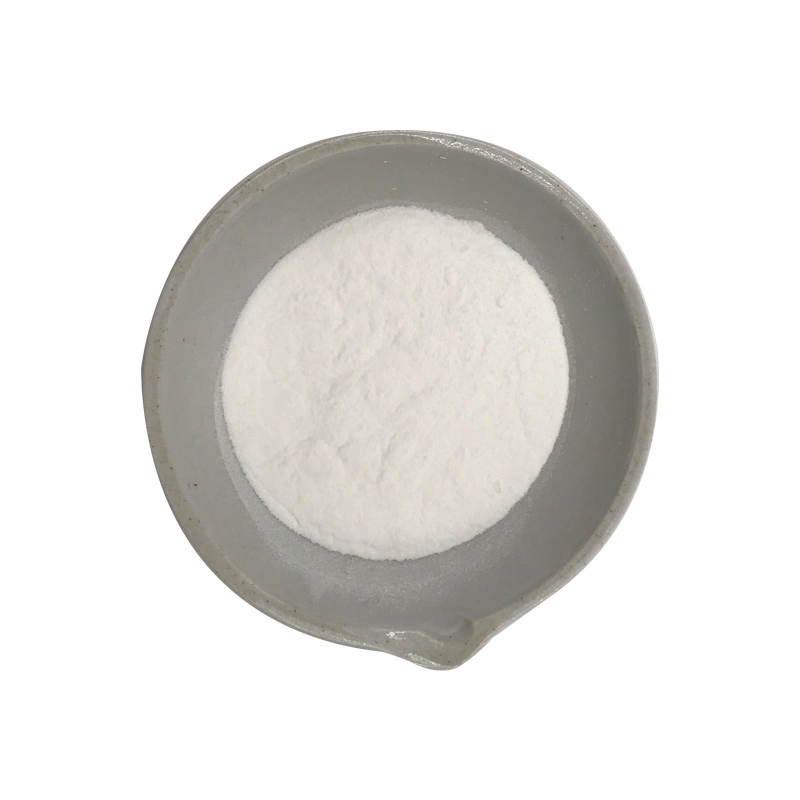
Methyl isoquinoline-3-carboxylate (CAS No. 27104-73-0) is a nitrogen-containing heterocyclic organic compound with the molecular formula C₁₁H₉NO₂ and a molecular weight of 187.19 g/mol. Structurally classified as an aromatic ester, it is typically supplied in powder form and exhibits a melting point of 86–88°C and a density of approximately 1.21 g/cm³. Featuring an ester functional group incorporated into an isoquinoline ring system, this compound serves as a useful building block in organic synthesis and pharmaceutical intermediate development. It is commonly employed as a starting material in the preparation of 3-acetylisoquinoline and other structurally related heterocyclic derivatives. Owing to its distinctive molecular structure and synthetic versatility, methyl isoquinoline-3-carboxylate is valuable in pharmaceutical research, medicinal chemistry, and the development of specialty organic compounds.
Isoquinoline-3-Carboxylic Acid CAS#6624-49-3 Chemical Properties
| Melting point | 166-167°C |
| Boiling point | 366.4±17.0 °C(Predicted) |
| density | 1.339±0.06 g/cm3(Predicted) |
| storage temp. | 2-8°C |
| solubility | DMF: 20 mg/ml; DMF:PBS(pH 7.2)(1:1): 0.5 mg/ml; DMSO: 20 mg/ml; Ethanol: 5 mg/ml |
| form | A crystalline solid |
| pka | 1.20±0.30(Predicted) |
| CAS DataBase Reference | 6624-49-3(CAS DataBase Reference) |
Isoquinoline-3-Carboxylic Acid CAS#6624-49-3 Safety Information
| Hazard Codes | Xi |
| Risk Statements | 36/37/38-36 |
| Safety Statements | 26-37/39 |
| HS Code | 2933499090 |
Isoquinoline-3-Carboxylic Acid CAS#6624-49-3 Product Application
1. Pharmaceutical Intermediates
Can be used as a synthetic intermediate for isoquinoline-based pharmaceutical candidate molecules.
Suitable for the construction of nitrogen-containing heterocyclic compounds with potential biological activities.
Can be used in the design and synthesis of novel antitumor candidate compounds.
Serves as a basic building block for pharmaceutical molecular structure optimization and derivative development.
2. Medicinal Chemistry Research
Can be used in the synthesis of isoquinoline carboxamide derivatives.
Suitable for the development of compounds with potential activity against specific biological receptors.
Serves as a fundamental building block for pharmacophore design and molecular structure optimization.
Can be applied in structure-activity relationship (SAR) studies of novel small-molecule drugs.
3. Fine Chemical Synthesis
Can be used in the synthesis of various isoquinoline derivatives.
Serves as an important organic synthesis building block for nitrogen-containing fused heterocyclic compounds.
Its carboxylic acid group allows further chemical derivatization and molecular structural modification.
Suitable for the development of customized chemicals and specialty organic intermediates.
4. Bioactive Compound Research
Can be used in the research and development of compounds with potential antitumor activity.
Suitable for the design of novel bioactive isoquinoline derivatives.
Serves as a starting material for the screening and development of novel bioactive small-molecule compounds.
Applicable to drug screening, molecular design and laboratory pharmacological research.