2-Acrylamide-2-methylpropanesulfonic acid Chemical Properties
Melting point | 195 °C (dec.) (lit.) |
density | 1.45 |
vapor pressure | <0.0000004 hPa (25 °C) |
refractive index | 1.6370 (estimate) |
Fp | 160 °C |
storage temp. | Store below +30°C. |
solubility | >500g/l soluble |
pka | 1.67±0.50(Predicted) |
form | |
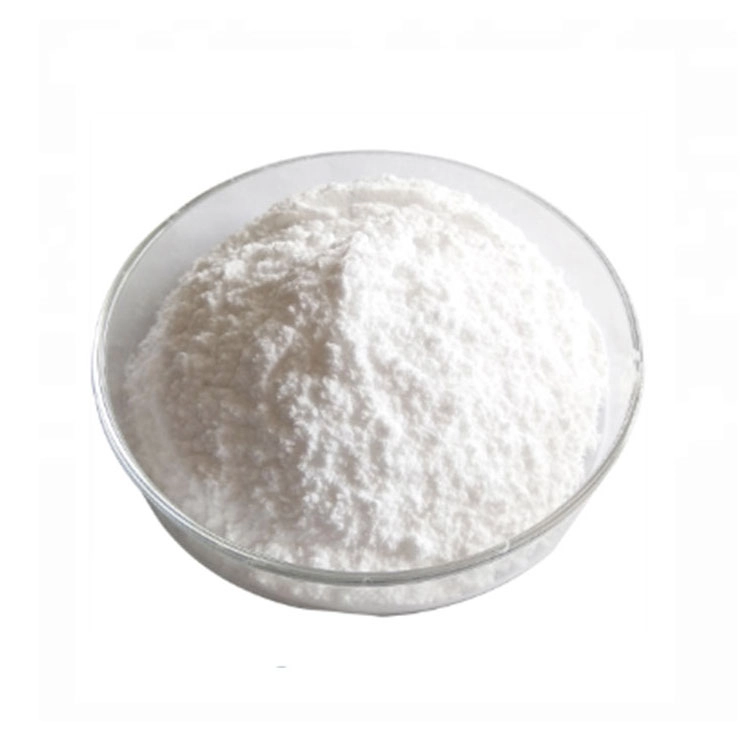
color | White |
Water Solubility | 1500 g/L (20 ºC) |
Sensitive | Hygroscopic |
BRN | 1946464 |
Stability: | Light Sensitive |
InChIKey | HNKOEEKIRDEWRG-UHFFFAOYSA-N |
LogP | -3.7 at 20℃ and pH1-7 |
Surface tension | 70.5mN/m at 1g/L and 20℃ |
Dissociation constant | 2.4 at 20℃ |
CAS DataBase Reference | 15214-89-8(CAS DataBase Reference) |
EPA Substance Registry System | 1-Propanesulfonic acid, 2-methyl-2-[(1-oxo-2-propenyl)amino]- (15214-89-8) |
Safety Information
Hazard Codes | C,Xn |
Risk Statements | 34-21/22-41-37-20/22 |
Safety Statements | 26-36/37/39-45-22 |
RIDADR | UN 2585 8/PG 3 |
WGK Germany | 1 |
RTECS | TZ6658000 |
TSCA | Yes |
HazardClass | 8 |
PackingGroup | III |
HS Code | 29241900 |
Toxicity | LD50 orally in Rabbit: 1000 - 2000 mg/kg |
Product Overview
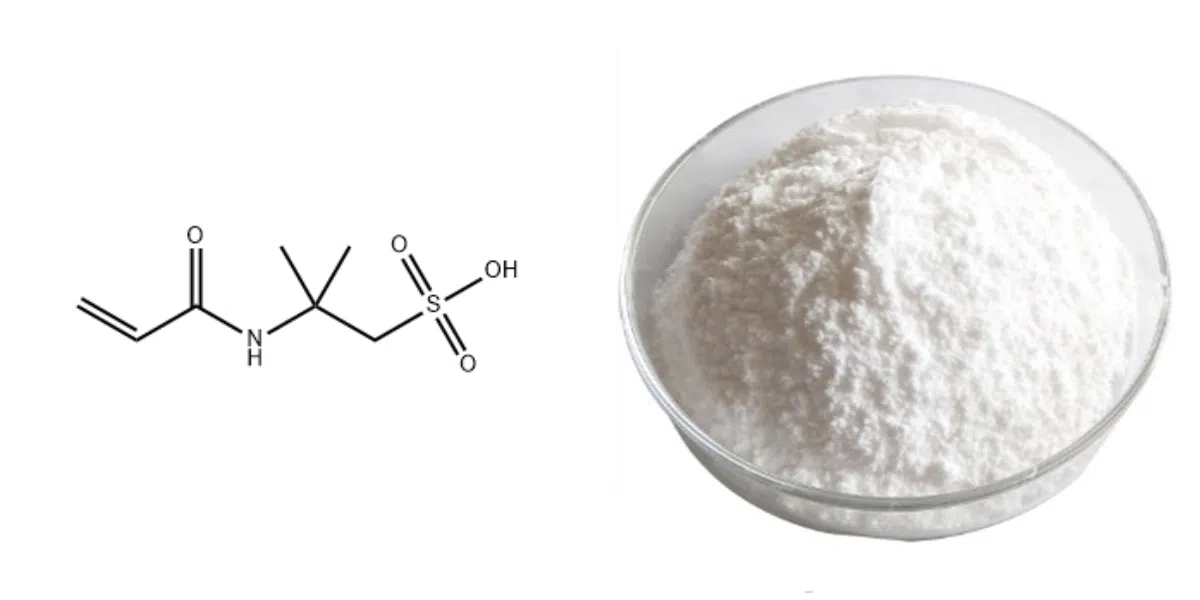
2-Acrylamide-2-methylpropanesulfonic acid, commonly known as AMPS, is a functional sulfonic acid-containing acrylic monomer. Its molecular structure incorporates an acrylamide group and a strongly hydrophilic sulfonic acid group, giving it distinctive properties for polymer synthesis.
AMPS is widely used as a functional monomer in the production of homopolymers and copolymers. The sulfonic acid group contributes hydrophilicity and ionic characteristics, while the polymerizable double bond allows the monomer to participate in polymerization reactions.
AMPS-based polymers are used in water treatment chemicals, oilfield chemicals, textile auxiliaries, coatings, adhesives, and specialty water-soluble polymer formulations. Its performance in a final formulation depends on polymer composition, molecular weight, and processing conditions.
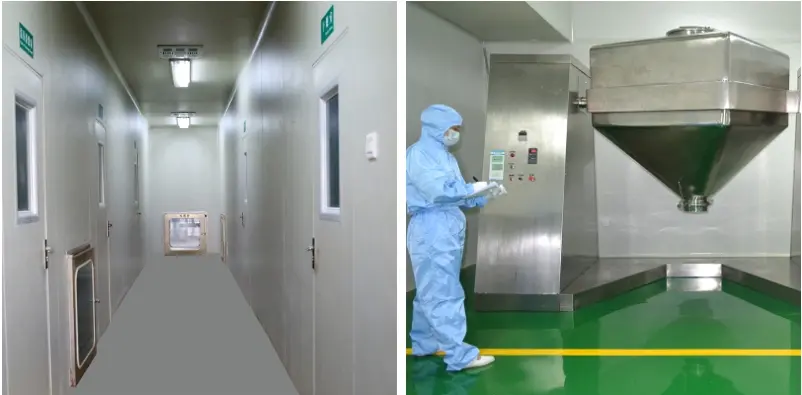
AMPS is generally manufactured through controlled chemical synthesis involving suitable acrylamide-based and sulfonic acid-containing intermediates. The product is subsequently purified, crystallized or otherwise processed, and tested to meet the required quality specifications.
The exact production route, purification process, and inhibitor content may vary by manufacturer and commercial grade.
Main Applications
Water Treatment: Used in the preparation of functional polymers for water treatment and scale-control formulations.
Oilfield Chemicals: Applied in the development of specialty polymers used in oilfield operations.
Textile Industry: Used in functional polymer formulations for textile processing and finishing.
Coatings and Adhesives: Can be incorporated into selected water-based polymer systems.
Personal Care Formulations: Used as a monomer in the development of specialty polymer ingredients, subject to applicable regulatory requirements.
Polymer Research: Used to prepare hydrophilic, ionic, and water-soluble copolymers.