
Products Description
β-Bromophenylethane is an important chemical intermediate used in the synthesis of highly effective brominated flame retardants, such as polybrominated styrene, and is also widely employed in the preparation of various organic synthesis intermediates. One example is its use in the production of 4-(4-phenylbutoxy)benzoic acid, an intermediate involved in the synthesis of pranlukast. Pranlukast, an antiasthmatic drug originally developed by Japan's Ono Pharmaceutical Co., Ltd., was first marketed in Japan in 1995 and was subsequently found to be effective in treating allergic rhinitis in 1999. As a leukotriene C4/D4 receptor antagonist (LTRA), pranlukast exhibits low toxicity and selectively inhibits leukotriene-mediated activity in airway smooth muscle. It has minimal effects on arachidonic acid-metabolizing enzymes and does not antagonize acetylcholine or 5-hydroxytryptamine (serotonin). Furthermore, it effectively inhibits the actions of leukotrienes LTC4, LTD4, and LTE4.
Chemical Properties
Melting point | -56 °C |
Boiling point | 220-221 °C(lit.) |
density | 1.355 g/mL at 25 °C(lit.) |
refractive index | n20/D 1.556(lit.) |
Fp | 193 °F |
storage temp. | 2-8°C |
solubility | 0.039g/l |
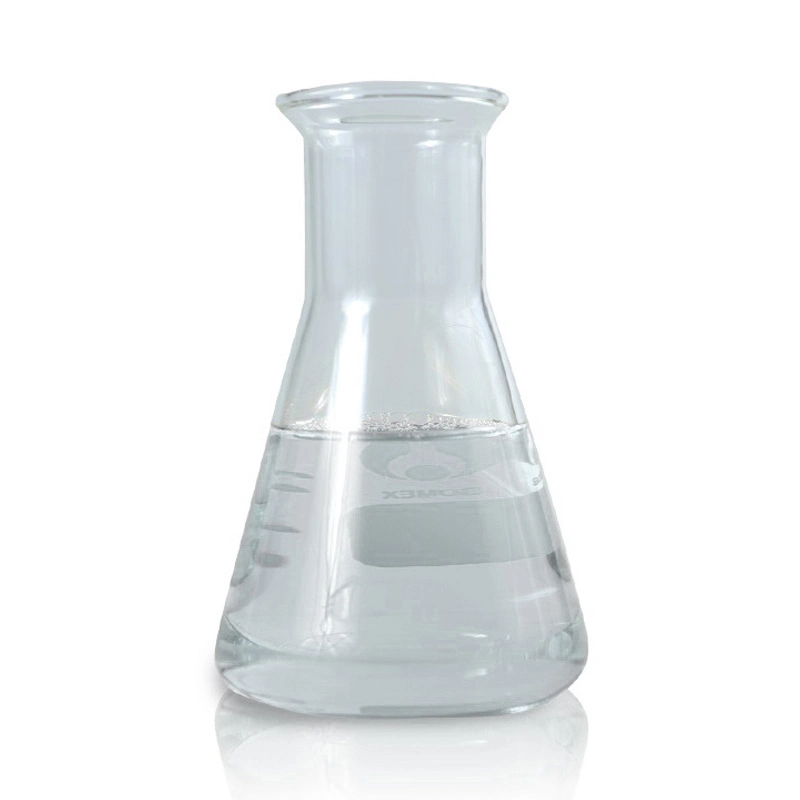
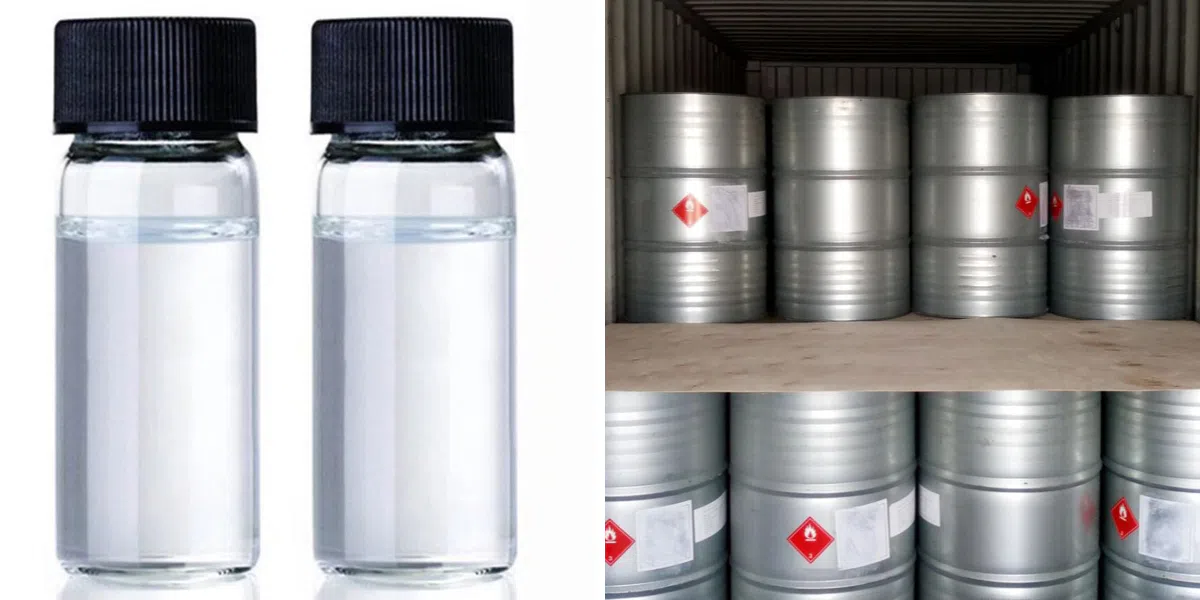
form | Liquid |
color | Clear colorless to pale yellow |
Water Solubility | INSOLUBLE |
BRN | 507487 |
Stability: | Stable. Incompatible with strong oxidizing agents. |
InChIKey | WMPPDTMATNBGJN-UHFFFAOYSA-N |
CAS DataBase Reference | 103-63-9(CAS DataBase Reference) |
NIST Chemistry Reference | 1-Bromo-2-phenylethane(103-63-9) |
EPA Substance Registry System | Benzene, (2-bromoethyl)- (103-63-9) |
Safety Information
Hazard Codes | Xn |
Risk Statements | 22-36-36/37/38 |
Safety Statements | 26-37/39-39 |
RIDADR | UN 1993 / PGIII |
WGK Germany | 3 |
RTECS | CY9032000 |
TSCA | Yes |
HS Code | 29036990 |
Hazardous Substances Data | 103-63-9(Hazardous Substances Data) |
Product Applications
In the pharmaceutical and agrochemical industries, β-bromophenethyl can be used as an intermediate in the synthesis of pesticides and antihypertensive agents. In industrial applications, it is utilized in the production of novel flocculants and dispersants, as well as fiber dyeing modifiers. It also serves as an antistatic agent for plastics, fibers, and paper, a viscosity regulator in the manufacture of photosensitive materials, ion-exchange resins, and ion-exchange membranes, and a brightening additive in electroplating processes.


